South Korea Enters New Era with KRW1, a Stablecoin Backed by the Won
South Korea’s BDACS launches KRW1, a won-backed stablecoin on Avalanche, bridging banking and blockchain.
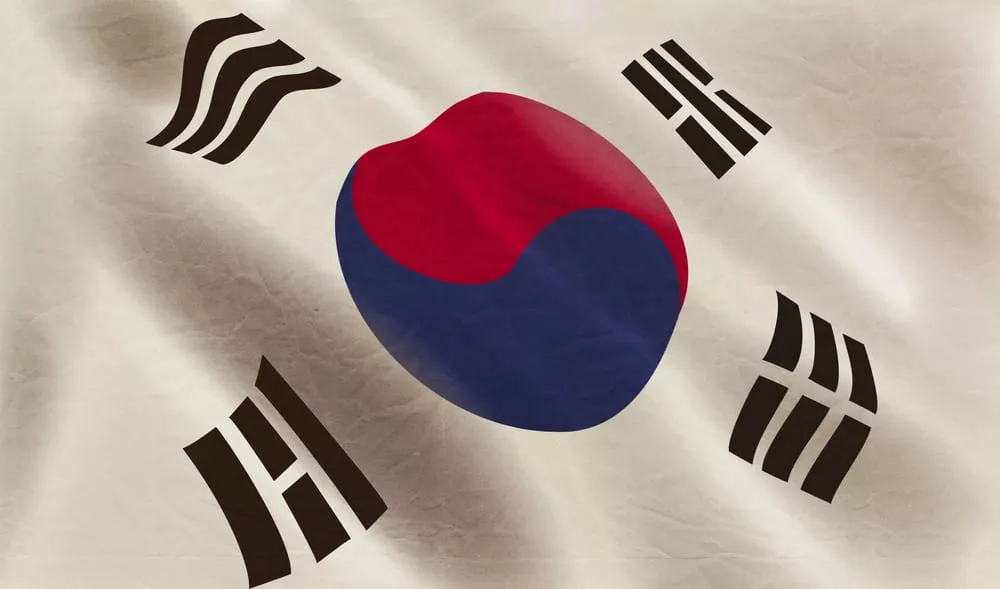
The launch of KRW1, a stablecoin fully backed by the South Korean won, marks a turning point in the country’s digital asset landscape. Developed by BDACS and supported by institutional partnerships, the project introduces a bridge between traditional finance and blockchain technology, signaling South Korea’s ambition to shape the next phase of the digital economy.
Unlike many experimental stablecoin projects, KRW1 was introduced following a successful proof of concept that validated both its infrastructure and regulatory compliance. Its reserves are held in escrow at Woori Bank, one of the country’s largest financial institutions, ensuring that each token is matched by fiat deposits. Through an integrated banking API, reserves can be verified in real time, offering an unprecedented level of transparency for users.
This commitment to accountability sets KRW1 apart from earlier stablecoin models, which often drew criticism for opaque practices. By embedding verification directly into the banking infrastructure, BDACS positions itself as a trustworthy intermediary that reconciles the stability of fiat money with the innovation of blockchain systems.
At the heart of KRW1’s design is the Avalanche blockchain, selected for its proven ability to deliver high transaction throughput, low latency, and robust security. Avalanche’s scalability allows KRW1 to be deployed not only for private transactions but also for broader financial use cases, ranging from cross-border remittances to domestic payments and investments.
The collaboration between BDACS and Avalanche is more than a technological choice—it is a strategic alignment. By anchoring KRW1 on a high-performance blockchain, BDACS ensures that the token can adapt to increasing transaction volumes without sacrificing reliability. This foresight strengthens the coin’s long-term viability in an increasingly competitive global stablecoin market.
Looking ahead, BDACS envisions KRW1 as more than a commercial instrument. The company has outlined plans to integrate the stablecoin into public sector initiatives, such as low-cost payments for emergency relief disbursements and essential government services. Such applications highlight the potential of blockchain-based finance to enhance accessibility while reducing costs for ordinary citizens.
The broader significance of KRW1 lies in its role as a test case for stablecoins in regulated economies. As South Korea pushes forward with its digital asset policies, KRW1 demonstrates how banks and blockchain innovators can collaborate to deliver secure, transparent, and practical financial solutions. Its success could serve as a model for other nations considering state-backed or institutionally supported digital currencies.
By combining regulatory compliance, banking integration, and blockchain scalability, BDACS is positioning KRW1 as a cornerstone of South Korea’s digital economy. Whether for private remittances, investment products, or public services, KRW1 represents more than a financial innovation—it symbolizes South Korea’s intent to redefine the boundaries of money in the digital age.