Blockstream and Thales Launch Offline Bitcoin Custody System
Blockstream's new institutional custody system, built with Thales, runs the full Secure-MPC signing protocol inside hardware security modules. CEO Adam Back argues complex MPC is a liability as AI-assisted attacks grow.
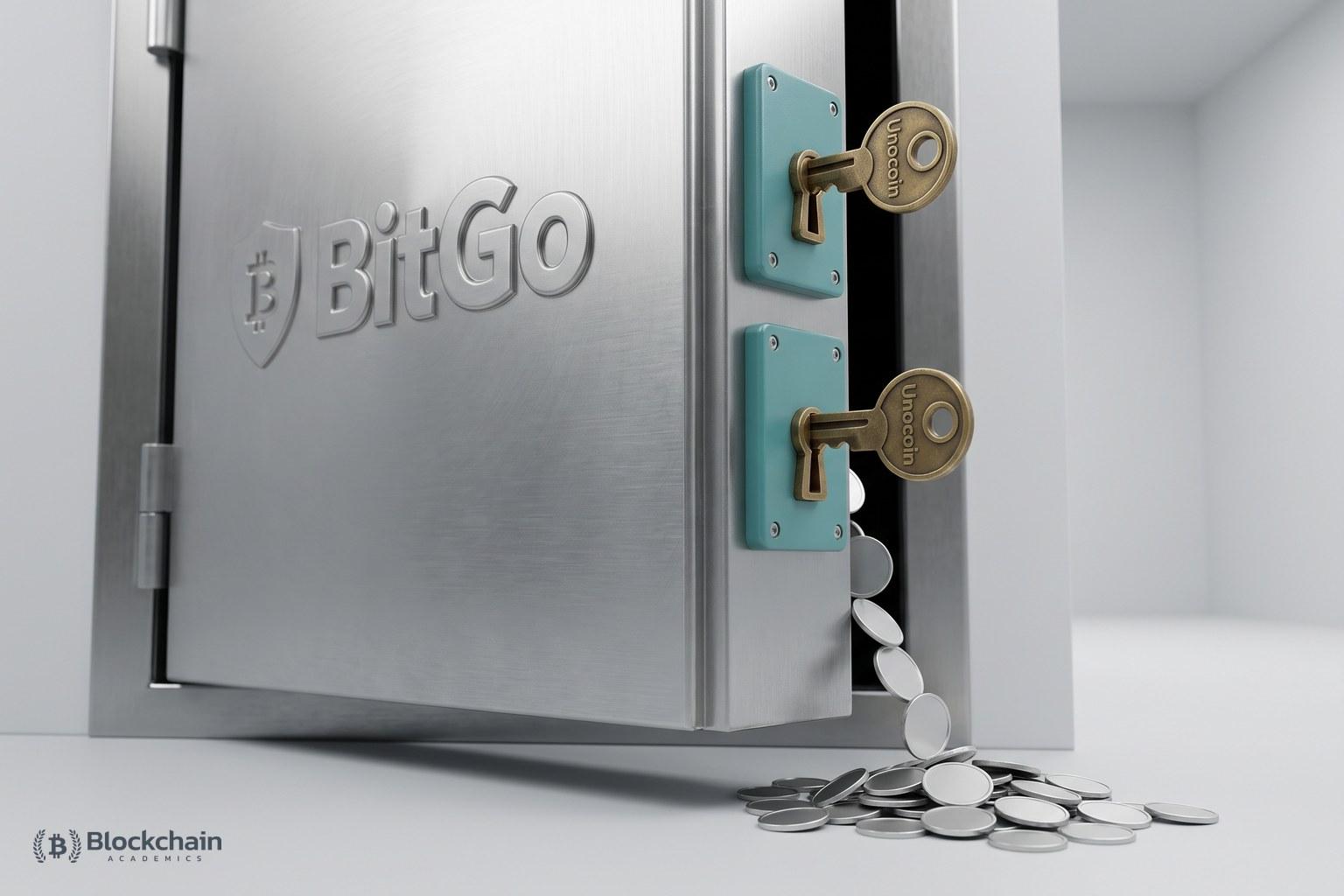
Keys stay inside the hardware. That is the pitch behind Blockstream's new institutional Bitcoin custody system, built with French technology group Thales and announced Friday, November 13, 2026. It pairs Thales hardware security modules (HSMs) with Blockstream's Secure Multi-Party Computation tech, branded Secure-MPC.
According to Blockstream, the entire transaction signing protocol runs inside the Thales HSMs. Private keys and MPC key shares never cross the hardware boundary during signing. The company contrasts this with conventional MPC implementations, which may perform parts of signing outside dedicated security hardware.
How Secure-MPC works
Signing authority is split into shares. Several parties must cooperate to produce a valid signature. No single share can move funds.
The targets are custodial banks, prime brokers and other institutions. Listed features include policy controls, segregated accounts, multisignature options and cryptographic audit trails. Blockstream Enterprise also supports other signing models, including air-gapped setups and multisignature systems.
Blockstream walked through the security architecture at the Digital Assets Forum in New York the same day. Its Enterprise custody and tokenization services remain in beta with select private clients. That beta opened in Q3 2026.
Back: complexity is the risk
CEO Adam Back is arguing for simpler, offline security as AI-assisted cyberattacks grow. His case: AI can help attackers spot small flaws in complex MPC code.
"The AIs can help attackers find small implementation errors and things like that, which may not be obvious,"
That was Back's explanation of the threat in an interview. He also said interactive MPC protocols are a poor fit for cold storage:
"When people talk about MPC, they're talking about some very esoteric and complicated protocols that are hard to secure and are very interactive. So you can't really use them in a cold storage setting,"
His conclusion was blunt: "Complexity is the enemy of security. And going back to basics is the answer, you know, just cold-store it."
Back pointed to the $6.3 billion Binance hack as an example of internet-connected custody risk. Citing Binance's own investigation, attackers compromised employee devices and obtained credentials that gave access to the exchange's wallet-signing infrastructure.
Caveats
The critique of conventional MPC is Back's argument, not an independent finding. Back said he "hoped" the broader custody industry would adopt offline models, so adoption is far from assured. The product is still in beta with select clients. No public track record yet.
Context
Blockstream, co-founded by Back in 2014, is best known for the Liquid Network, a Bitcoin sidechain. Liquid recently passed $3 billion in total value locked, and the company opened a new office in Lugano in late 2026. The custody launch extends an institutional push that also includes Simplicity, its verifiable smart contract offering for Bitcoin. The test now: whether banks and prime brokers buy the hardware-bound pitch.