House Oversight Memo Floats Prediction Market Ban for Officials
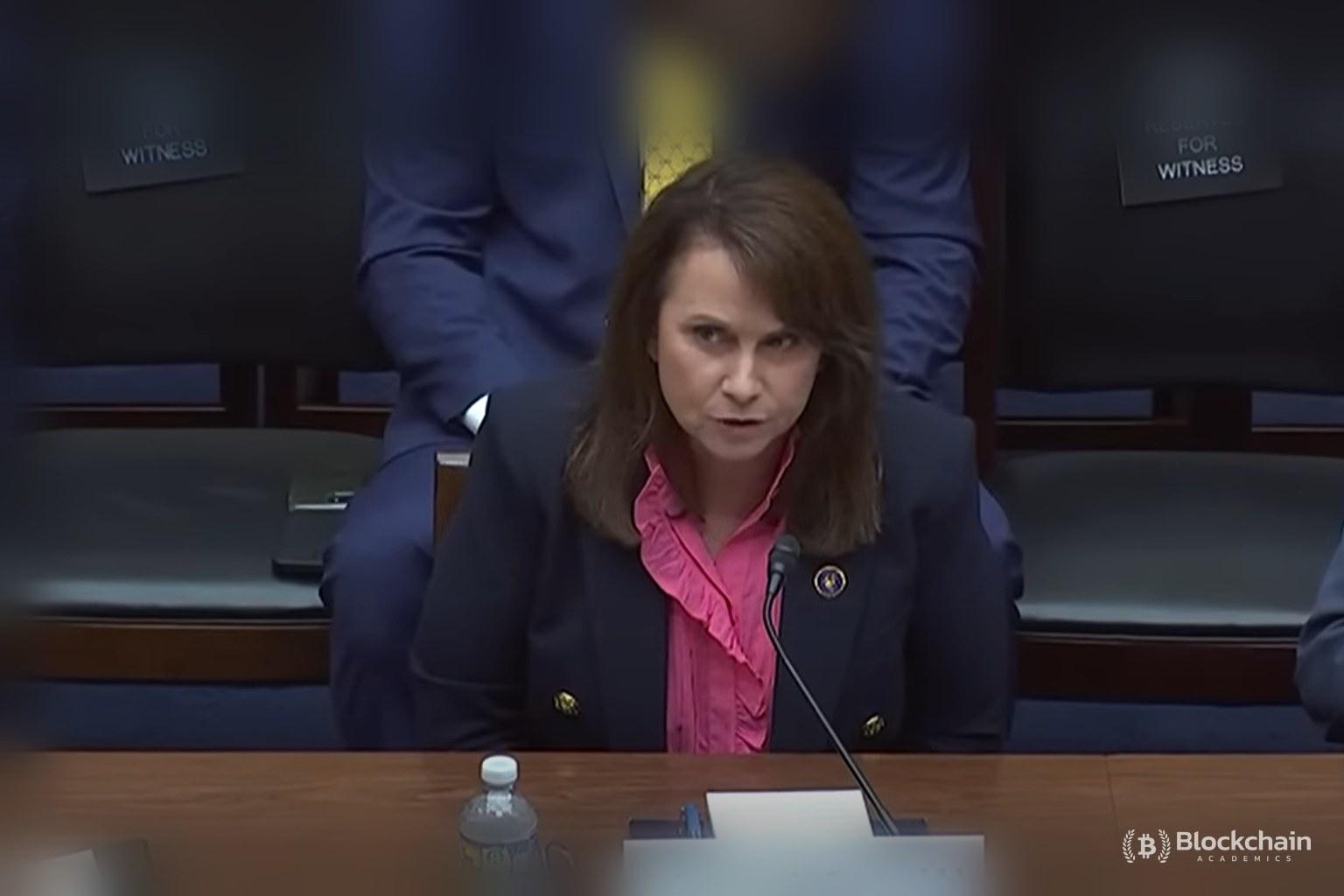
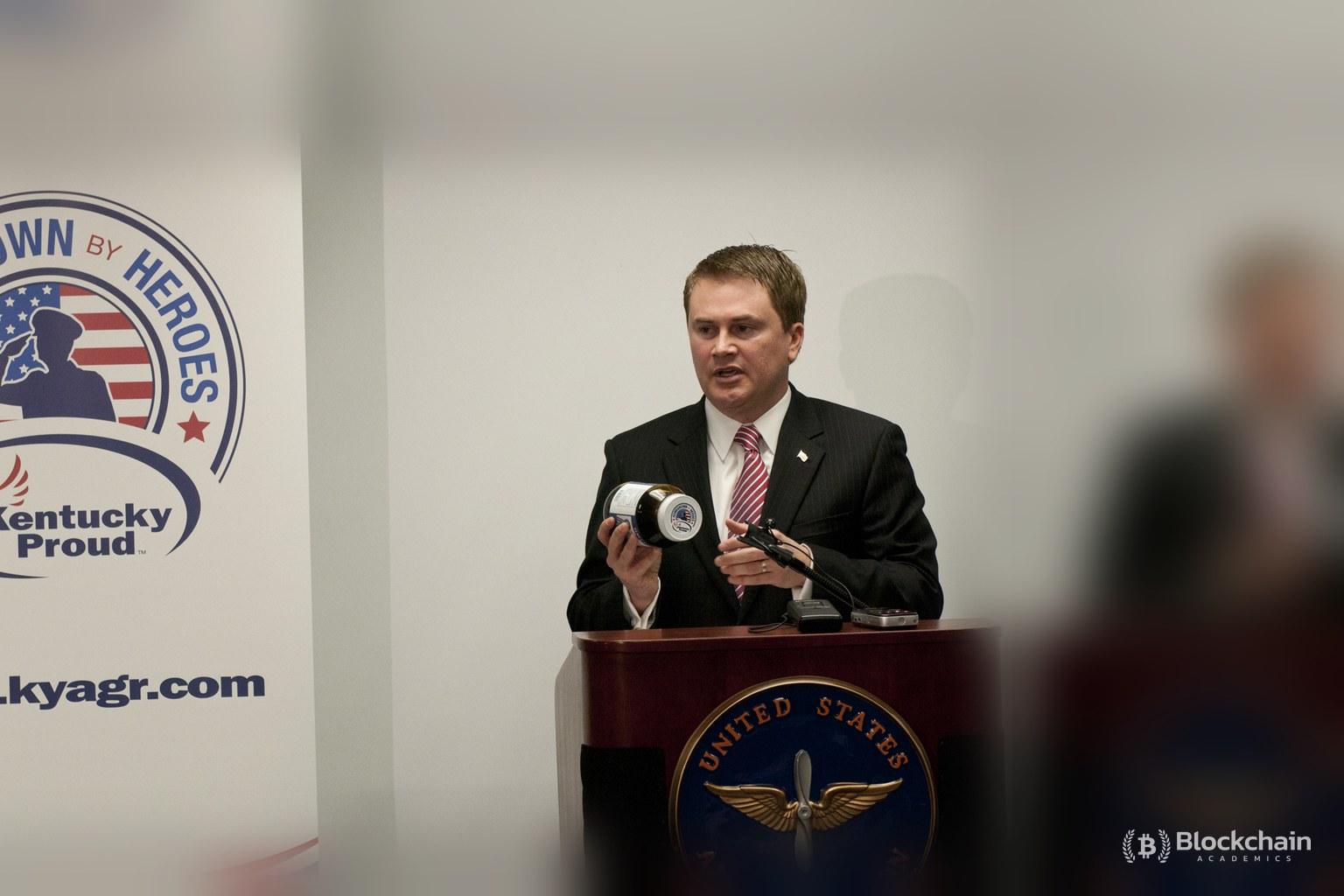
Chairman James Comer released a staff memo from the committee's insider trading probe, recommending Congress consider restrictions on officials' prediction market trading while crediting Polymarket and Kalshi for self-policing.
Federal officials who trade on prediction markets could face an outright ban under options the House Oversight Committee put before Congress on Friday. The committee recommended that lawmakers consider new restrictions on federal personnel, ranging from a full prohibition to narrower limits on trading government-related contracts.
Chairman James Comer (R-Ky.) released a staff memorandum on November 13 summarizing an investigation the committee launched in May. The probe examined insider trading risks among government officials, military personnel and security-clearance holders. Staff reviewed nearly 1,700 pages of documents and held five bipartisan briefings with prediction market companies, according to the committee's release of the memo.
"Americans are rightly concerned about public corruption."
James Comer, House Oversight Chairman
Comer added that "Congress must consider additional reforms to prevent public corruption and restore the American people's trust in government."
What the memo recommends
The committee said any restrictions should cover officials in all branches of government. It also urged Congress to encourage prediction market companies and federal agencies to share the information needed to enforce them. Rather than prescribing one approach, the memo lays out a range, from a full ban to targeted limits, for lawmakers to weigh.
It also stressed that existing insider trading law already reaches these markets, citing the Commodity Exchange Act as amended by the STOCK Act. The memo's emphasis on information sharing suggests the committee sees enforcement, not only statute, as part of the problem.
Platforms get credit
The committee was notably favorable toward the industry's own surveillance. Most reported insider trading incidents, it said, were first detected and flagged to regulators by the platforms themselves. It singled out Polymarket, which hired a former law enforcement expert and rolled out surveillance software called PolyGraph, built with Chainalysis, and Kalshi, which has strengthened its detection. Both companies say they have tightened controls to keep officials from trading on inside information.
Context
The memo follows a run of cases. A U.S. soldier was charged in April over alleged Polymarket trades tied to the operation that captured Venezuelan President Nicolas Maduro. Kalshi fined three congressional candidates in April, and the Senate passed a resolution that month banning its members from trading on prediction markets. In August, the CFTC fined a former White House teleprompter operator for betting on presidential speeches.
The committee's work has also widened. Earlier, we reported that House Oversight expanded its insider trading probe to Hyperliquid, Crypto.com and PredictIt.
The memo sets out recommendations, not legislation. It lands as the CFTC moves to assert authority over prediction markets in its dispute with several states, and as Sen. Elizabeth Warren, the incoming Senate Banking chair, targets the industry. For operators, the practical signal is that the committee's options center on restricting who may trade rather than rewriting insider trading law.