Coinbase Backs CFTC in Court Fight Over Stock Perpetuals
Coinbase filed an amicus brief on November 10 backing the CFTC's approval of single-stock perpetual futures. A trade challenger says the contracts are security-based swaps; the SEC has left the classification open, and Arthur Hayes says he is flattered.
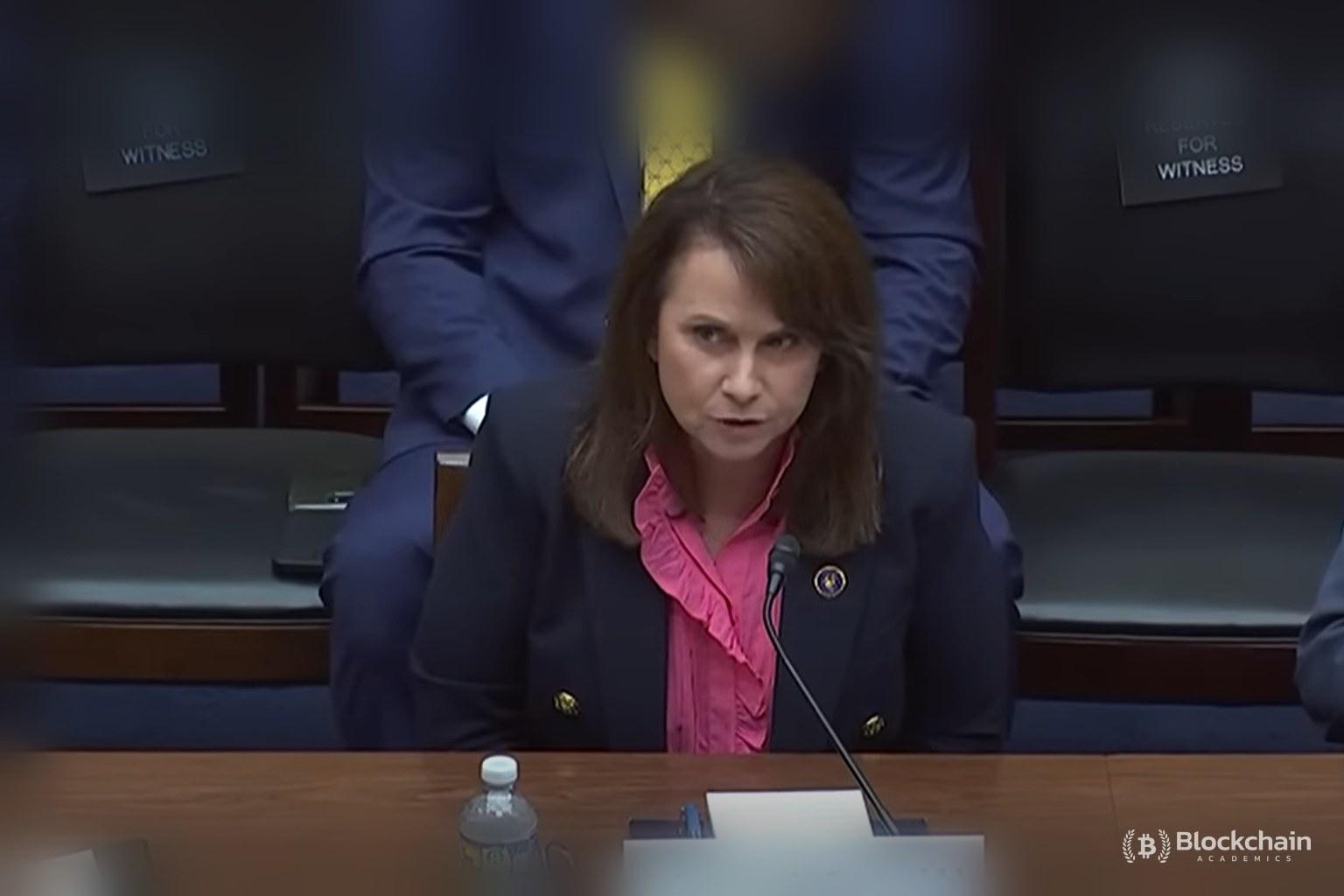
Whether perpetual futures on individual US stocks belong under CFTC oversight or the SEC's security-based swap rules is now before a federal court, and Coinbase has taken the regulator's side. On November 10, the exchange filed an amicus brief supporting the CFTC's approval of single-stock perpetual futures, opposing a lawsuit from a group that says the contracts are really security-based swaps.
Kalshi and Payward, Kraken's parent company, joined the filing. Other reporting describes Coinbase and five other companies submitting a brief on Monday, which the court accepted on Tuesday. Accounts differ on the number of co-filers, and none gives the full list.
What the dispute is about
The Capital Markets Alliance Association (CMAA) sued the CFTC over its approval of the products. The agency cleared applications from Coinbase Derivatives, Kalshi and Bitnomial on November 2.
CMAA argues the contracts should be treated as security-based swaps, which face tighter restrictions on retail trading. In a Tuesday filing, it said the CFTC approved them without adequately explaining its decision. It also cited about $375 million in reported 24-hour notional volume for Kalshi's stock perpetuals shortly after launch, claiming the products are diverting business from traditional stock markets.
Court and SEC posture
Judge Valerie Caproni denied a temporary restraining order on November 3, finding the group had not shown likely irreparable harm. The denial is not a ruling on the merits. The docket entry is public.
The SEC has also weighed in. According to reports, the agency submitted a proposed brief on Monday opposing the alliance's request to halt trading. It said it was reviewing the exchanges' listing rules and left open whether the contracts are security futures or security-based swaps.
That open question is the crux: the classification determines which regulator and which retail rules apply.
Hayes weighs in
BitMEX co-founder Arthur Hayes, whose exchange introduced perpetual swaps in May 2016, commented on Coinbase's role.
"Ten years later, Coinbase is in federal court defending the right to offer them on US stocks. I'm flattered."
Arthur Hayes, BitMEX co-founder
Hayes also said that when BitMEX launched its perpetual swap in 2016, "Washington's reaction was less than warm."
Wojciech Kaszycki pointed to a possible weak spot for the CFTC's side: the lack of a fixed expiration or delivery date could complicate the case for treating perpetuals as futures. "The product doesn't die; it just changes address," he said.
What it means
The case tests whether a product built for crypto markets can be listed on US stocks under CFTC oversight rather than the SEC's tighter security-based swap regime. The restraining order denial leaves trading in place for now, but the merits are unresolved, and the SEC has not committed to a classification. The outcome will matter to Coinbase Derivatives, Kalshi and Bitnomial. It also lands days after Coinbase secured its full national trust charter from the OCC, another marker of its deepening federal footprint.