SEC's 'Project Crypto' Aims to Bring U.S. Markets On-Chain and Reclaim Global Leadership
The SEC launches Project Crypto to modernize U.S. markets and position America as a global crypto leader under new pro-blockchain regulations.
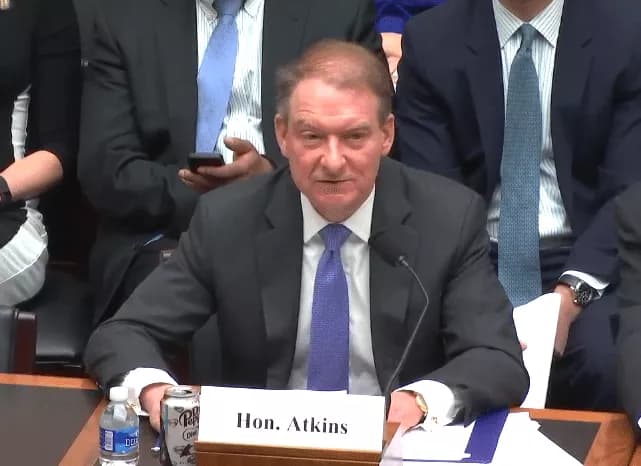
In a landmark policy shift, the U.S. Securities and Exchange Commission (SEC) has launched "Project Crypto," a sweeping initiative aimed at bringing America’s financial markets on-chain and securing the nation's role as a global leader in digital assets. The announcement was made by SEC Chair Paul Atkins during a speech at the America First Policy Institute in Washington, D.C.
Framing the initiative as part of President Donald Trump’s broader vision, Atkins declared that the U.S. must not merely adapt to the cryptocurrency revolution—it must lead it. “We are at the threshold of a new era in the history of our markets,” he said. “Project Crypto” will guide the modernization of securities laws to support blockchain infrastructure across the financial system.
The program is a direct response to recommendations issued by the President’s Working Group on Digital Asset Markets, which emphasized the urgency of a clear federal framework for digital asset regulation. According to Atkins, the SEC is preparing to enact rules covering crypto trading, custody, and asset distributions while leveraging existing authority to ease regulatory bottlenecks.
Project Crypto is not just symbolic—it represents a wholesale transformation in the SEC’s approach to crypto policy. It seeks to undo the damage of previous enforcement-heavy strategies under former Chair Gary Gensler, which critics argue drove crypto innovation offshore. Recent reversals of lawsuits and the termination of contentious investigations signal a clean break from that era.
The SEC is now taking a more collaborative posture. Atkins emphasized that while the agency works on formal rulemaking, it will also use interpretative guidance and exemptions to ensure that outdated regulations no longer inhibit innovation. The goal, he noted, is to foster an environment where crypto entrepreneurs can thrive domestically, rather than seeking friendlier jurisdictions abroad.
This pivot aligns the SEC with other pro-crypto shifts under the Trump administration, which has embraced blockchain as a tool for strengthening American competitiveness in global finance. As digital assets become a cornerstone of modern financial infrastructure, Project Crypto could mark the start of a profound institutional transformation.
Whether it succeeds will depend on the clarity of forthcoming rules and the SEC’s ability to balance innovation with investor protection. But for now, Project Crypto signals a bold commitment to blockchain’s role in the future of American markets.