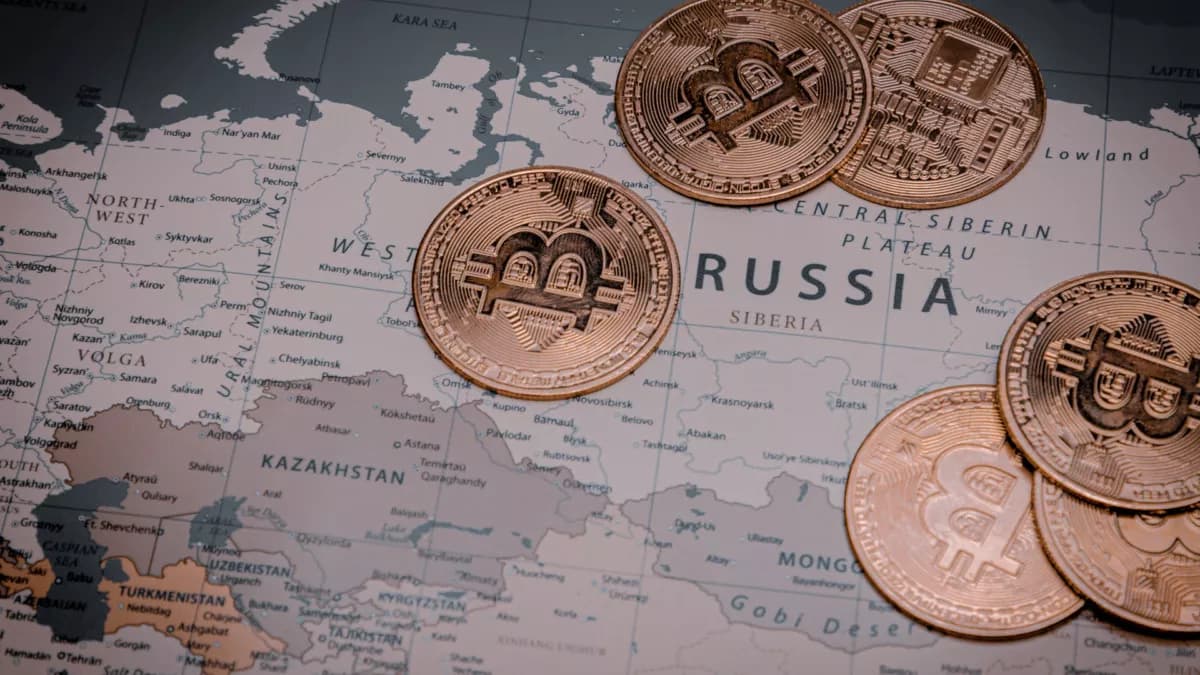
Russia Eyes Northern Relocation for Bitcoin Miners Amid Southern Ban
Russia considers moving Bitcoin mining north, repurposing oil sites, after banning activity in southern regions.
Russia’s approach to Bitcoin mining is undergoing a strategic shift as the government proposes new incentives for miners to relocate operations to the northern regions. This move comes in response to a continuing ban on Bitcoin mining in ten southern areas, implemented to alleviate strain on the local power grid.
The proposal includes repurposing abandoned oil production infrastructure in the north to create sustainable, energy-efficient hubs for Bitcoin mining. Yevgeny Grabchak, Deputy Minister of Energy, emphasized the potential for utilizing these preserved power centers for long-term operations, suggesting that this could boost both the economy and national energy management.
Historically attractive to miners due to low electricity costs and cold weather, Russia's mining sector has faced instability since the Ukraine conflict disrupted energy resources. With the southern mining ban in place until at least 2031, the government is seeking to both conserve energy—already reporting savings of 300 MW—and redirect economic activity to underutilized regions.
While the plan could bring jobs and investment to northern territories, critics warn that ongoing restrictions may harm small miners and stall regional development. Industry figures like Denis Rusinovich argue that large mining operations continue unaffected, while smaller, independent miners face harsher enforcement, raising concerns about fairness and transparency.
Russia’s evolving policy reflects the global tension between managing energy demands and fostering blockchain innovation. If successful, the strategy to reposition mining activity may serve as a blueprint for other nations grappling with similar issues.