Japan Urges G7 to Tackle North Korea’s Crypto-Fueled Nuclear Ambitions
Japan's PM calls on G7 to combat North Korea's crypto thefts funding missile programs. Urges stricter rules and cybersecurity.
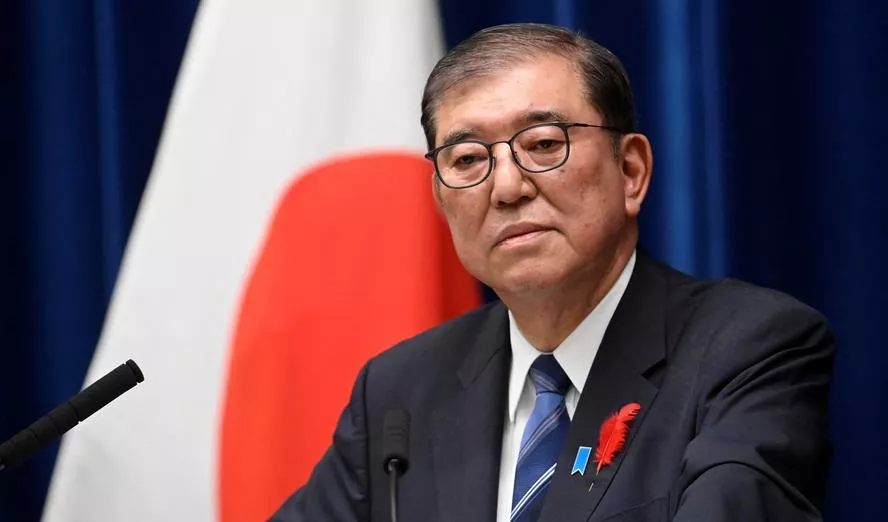
Japan’s Prime Minister Shigeru Ishiba is poised to make a bold appeal at the upcoming G7 summit in Canada: take unified global action against North Korea’s rising use of cryptocurrency heists to fund its nuclear and missile programs. The call for coordination comes as the regime’s cybercriminal operations grow increasingly sophisticated and damaging.
Government insiders confirm that Ishiba will prioritize the issue at the June 15–17 meeting, advocating for enhanced cybersecurity collaboration and tougher regulations across the crypto sector. North Korea’s cybercrime efforts are now recognized as a critical threat to international stability and financial security.
In 2024 alone, North Korean-affiliated hacker groups reportedly stole $1.34 billion in crypto assets, accounting for more than 60% of all global losses from crypto hacks. These attacks, carried out by well-known actors like Lazarus and TraderTraitor, have devastated both centralized exchanges and DeFi platforms.
Notable incidents include the infamous $600 million Ronin Bridge hack in 2022 and the unprecedented $1.4 billion Bybit breach in early 2025—the largest crypto theft in history. Japan has not been spared: the Tokyo-based DMM Bitcoin exchange lost 4,500 BTC (worth over $300 million), allegedly to North Korean operatives. The breach led to the platform’s shutdown and exposed serious flaws in the nation's digital asset security.
In response, Japan is expected to propose a dedicated G7 task force to foster cybersecurity cooperation and monitor illicit crypto flows. The initiative would establish common security standards, facilitate real-time intelligence sharing, and enforce stricter Know Your Customer (KYC) and Anti-Money Laundering (AML) protocols among member states.
This proposal builds on earlier joint warnings from the U.S., Japan, and South Korea in 2018, which urged crypto firms to guard against state-backed intrusions and insider threats—especially from North Korean engineers posing as freelance developers.
The stakes are high. North Korea’s reliance on stolen crypto funds extends beyond mere sanctions evasion; the revenue reportedly funds missile component purchases, enhances cyberwarfare capabilities, and strengthens its geopolitical alliances, particularly with Russia.
Prime Minister Ishiba’s initiative could mark a pivotal shift in global policy on state-sponsored cybercrime. If adopted, the G7’s unified approach might serve as a template for future international frameworks aimed at neutralizing crypto-enabled threats.