Genesis Block Ethereum Wallet Moves 2,155 ETH, Draws Scam Attempts
An Ethereum address funded in the 2015 genesis block sent its first transactions on November 9, moving nearly 2,155 ETH worth about $4.6 million. Lookalike scam addresses appeared within three minutes, but the owner avoided the address poisoning trap.
Scammers needed less than three minutes to target an Ethereum wallet that had never sent a transaction since the network launched in 2015. Late Monday, November 9, 2026, the address moved nearly 2,155 ETH, worth about $4.6 million, to a fresh address, and its owner sidestepped the address poisoning attempt that followed.
The wallet, 0x7dDd57165c87A2707f025DCFC2508c09834759Bc, had recorded zero outgoing transactions for more than a decade. It was funded in Ethereum's first block, receiving 1,400 ETH in the genesis block in July 2015, when ether was valued at roughly $0.31. A second deposit of 755 ETH, withdrawn from Bitfinex, landed on March 29, 2016, when ETH traded at about $11.74.
A test payment, then the full transfer
The owner first sent a 0.05 ETH test payment, worth about $106, at 22:04 UTC to a new address beginning 0x1321beb8 and ending 1A44. Whale Alert flagged that move. Thirty-eight minutes later, the full balance of roughly 2,155 ETH followed to the same fresh address, in a transfer documented by on-chain tracker Lookonchain and valued at between $4.57 million and $4.59 million.
Poisoning within three minutes
Tiny ether transfers arrived from two lookalike addresses within three minutes of the test payment. One began 0x13211f and the other 0x1321FB, and both ended in 1A44. Etherscan tags both funding accounts as Fake_Phishing; the busier of the two sent 43 dust payments.
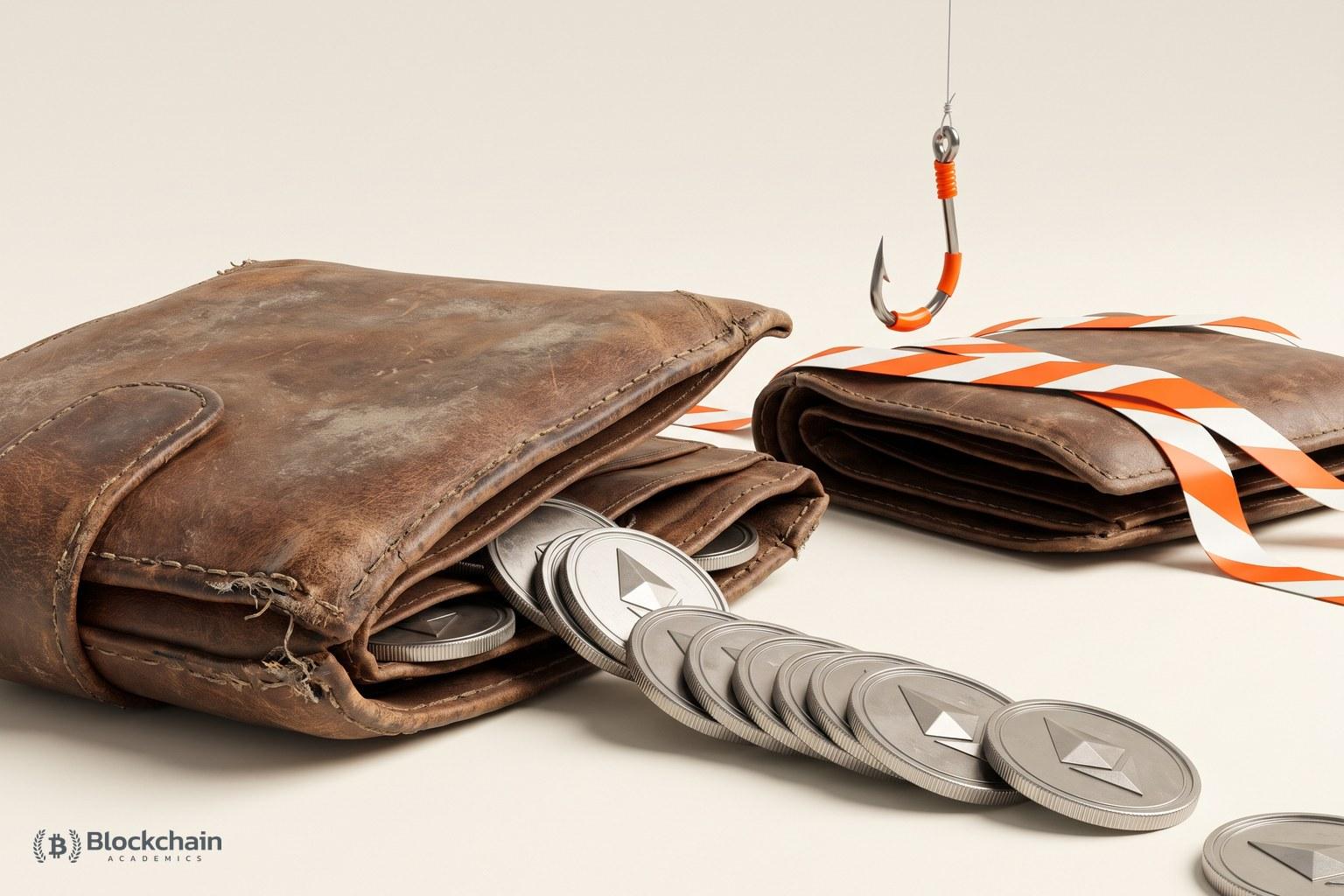
The tactic is known as address poisoning. Wallet apps usually display only the first and last few characters of an address, so attackers plant lookalikes in a victim's transaction history and hope the owner copies the wrong "recent recipient" when sending funds.
It did not work here. The owner avoided the trap and sent the funds to the intended address.
What the move signals
Initial reports show the coins went to a new address rather than to an exchange, and the owner's intentions are not known. A transfer of this kind is more consistent with custody housekeeping than with an imminent sale, though a later exchange deposit would revive selling questions.
Market impact is likely to be limited. Around 2,155 ETH is meaningful to a single holder but small relative to daily trading in an asset of ether's size.
The episode underlines how quickly poisoning bots respond, even to a wallet dormant for over a decade. Checking the full recipient address, not only its first and last characters, is the practical defense. Longer-horizon protocol security is on the agenda as well, including the post-quantum roadmap that Ethereum Foundation researcher Justin Drake hopes to complete by December 2028.