Abu Dhabi Court Orders 18 Firms to Keep Stolen Binance Tokens Frozen
An Abu Dhabi court order bars 18 crypto companies, including Circle and World Liberty Financial, from releasing, lending or swapping tokens stolen in the Oct. 29 Binance hack. A Dec. 1 hearing will decide whether the freeze stays; bitcoin and ether remain out of reach.
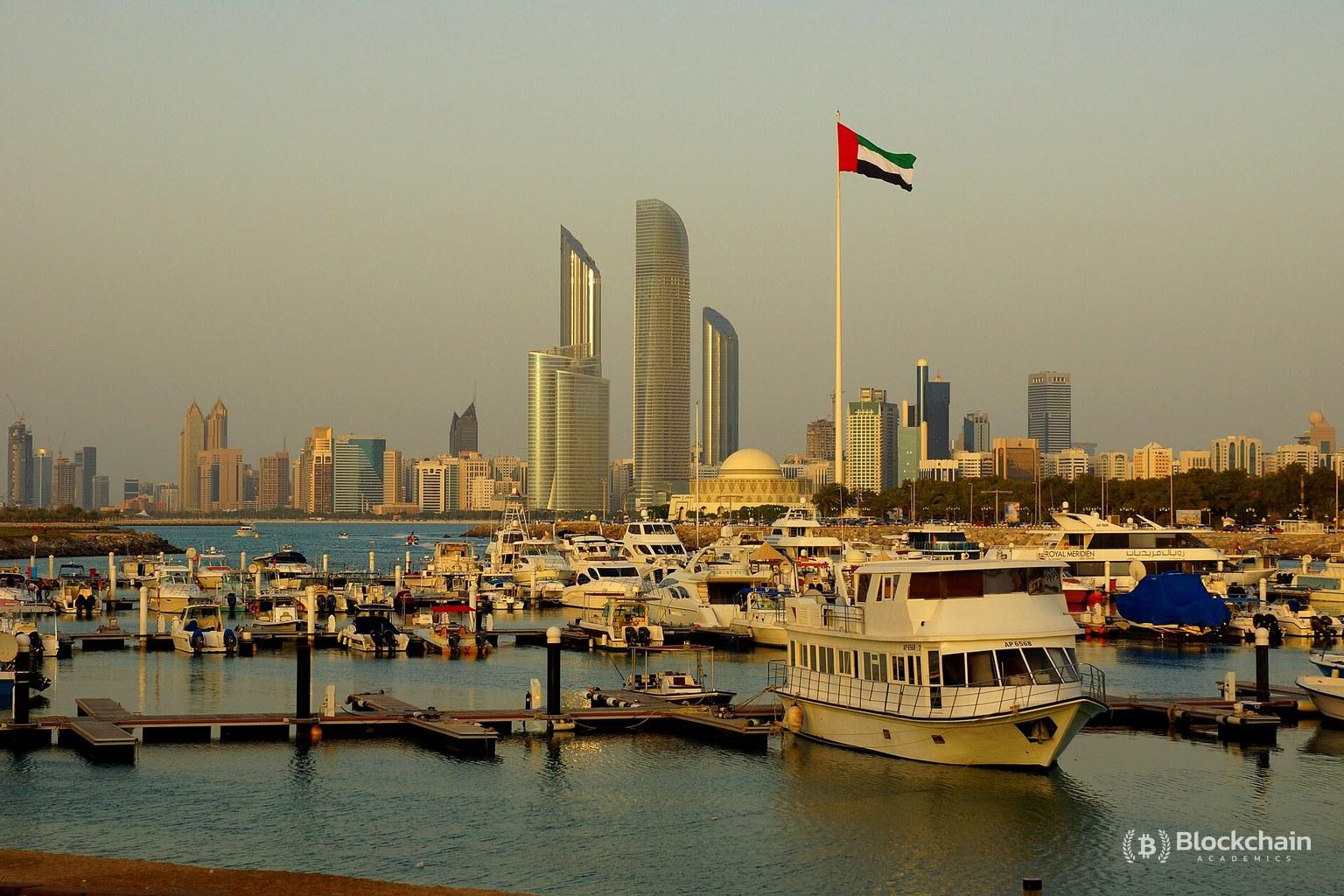
Eighteen crypto companies, Circle and World Liberty Financial among them, are now barred by an Abu Dhabi court from releasing or using tokens stolen from Binance. A Dec. 1 hearing will decide whether the freeze stays in force. Binance announced the ruling on Wednesday, Nov. 18.
Justice William Stone SBS KC of the Abu Dhabi Global Market (ADGM) Courts granted the order against unidentified people. It forms part of a $6.5 billion worldwide freezing package tied to the Oct. 29 theft of about $6.34 billion. That $6.5 billion is the amount the order covers, not money recovered. The package also requires stolen assets to be handed over.
We first reported the ADGM order on Nov. 18. Court documents now identify the companies bound by it. Our earlier coverage followed the hack itself.
What the order requires
According to court documents seen by Reuters, the 18 named companies cannot release the tokens, use them in lending or swaps, or commingle them with other assets until the case is resolved. Binance does not accuse the firms of wrongdoing, and some had already frozen funds before the order.
The practical purpose is narrow. Binance said some issuers, exchanges and other partners want a formal court order in hand before they release or return assets they have frozen, and the order is meant to give them one.
On Dec. 1 the court will revisit the proprietary injunction, which covers assets Binance claims as its own. It will decide whether the injunction remains and on what conditions.
A Gibson Dunn lawyer described the order in a reported statement as:
"one of, if not the, largest publicly known freezing orders ever made"
M. Kendall Day of Gibson Dunn said the orders can be served through the blockchain.
Who is outside it
Tether is not among the 18, though it has said it froze roughly $1.5 billion; CEO Paolo Ardoino has cited a figure above 1.567 billion USDT. Binance deputy general counsel Dugan Bliss said the company is handling that recovery with Tether one-on-one.
The order also cannot reach bitcoin or ether directly, because neither has an issuer that can be told to act. TRM Labs data shows none of the 18,270 stolen bitcoin, 233 million XRP or about 970,500 SOL was frozen. Estimates of what remains out of reach range from about $2.4 billion to $3.5 billion.
Limits on what it proves
Binance has not disclosed how much has been returned. It says recovery "will take time" and that it will keep publishing updates. Binance had earlier put the amount frozen or intercepted by third parties at about $2.85 billion, a figure also attributed to Elliptic.
Scale remains a challenge. Binance's lawyers track 26,000 wallet addresses they say hold stolen assets, while the FBI's Oct. 31 alert named 628. That alert blamed North Korea's TraderTraitor group, which has denied involvement.
Why it matters
The ruling moves recovery from voluntary issuer freezes toward court-backed obligations. Stablecoin issuers froze funds within minutes of the hack, and, as we reported on Nov. 13, the U.S. Department of Justice has court authority to seize or restrain more than $1.2 billion. The ADGM order adds a civil route for Binance to claim assets as its own. Its durability depends on the Dec. 1 hearing, and it does nothing for assets that no issuer can freeze.