TikTok Denies Allegations of Trump Memecoin Ties Amid Political Storm
TikTok refutes claims it backed a $300M Trump memecoin investment, countering Congressman Sherman’s bribery allegations.
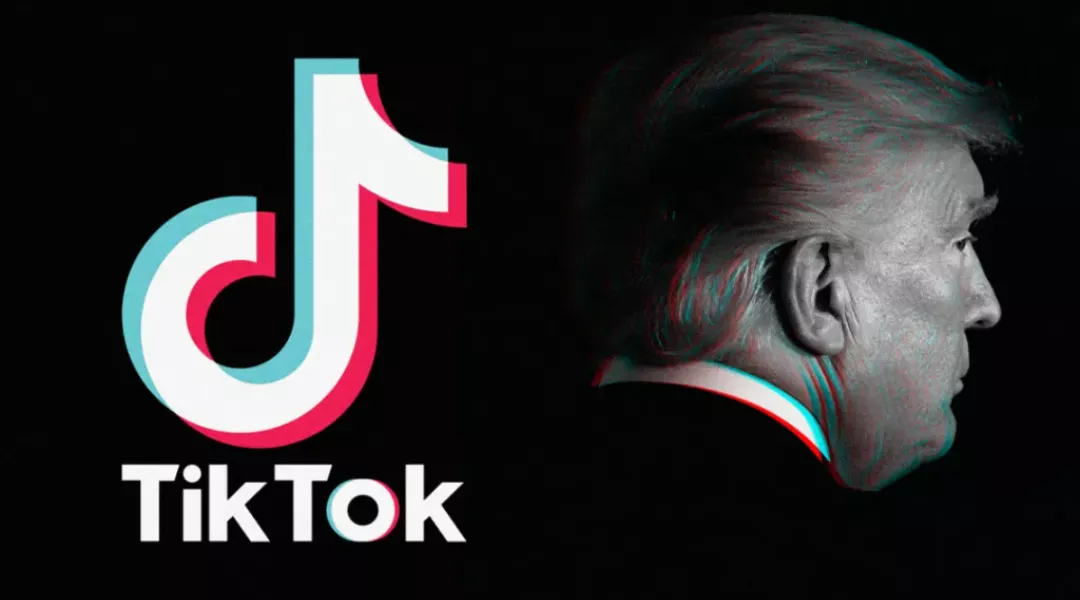
TikTok has forcefully rejected accusations that it is financially backing a Trump-associated memecoin project, amid escalating political tensions and renewed scrutiny of the platform’s U.S. operations. The denial follows statements by Representative Brad Sherman, who alleged that TikTok’s Chinese ownership funneled $300 million into a memecoin tied to President Donald Trump.
On Thursday, TikTok’s official Policy account on X (formerly Twitter) dismissed the claims as “patently false and irresponsible.” The company stated that Sherman had grossly misrepresented a previous letter he co-signed and offered no credible evidence to support his assertions.
Sherman, a Democrat from California and a vocal critic of both TikTok and the cryptocurrency industry, characterized the alleged investment as a political bribe. "Trump creates 'Trump Coins' at no cost, meaning this is just a $300 million bribe that goes right into his pocket," he claimed in a public statement.
The controversy comes amid rising pressure on TikTok from U.S. lawmakers. President Trump recently issued a third executive order extending TikTok’s deadline to divest its U.S. assets or face a ban—a move Sherman claims exceeds the legal limits for executive extensions. “There is no authority for repeated delays,” he argued, accusing the administration of flouting federal law.
At the core of Sherman’s allegations is GD Culture Group, a Nasdaq-listed company that announced in May it would invest $300 million in a Trump-themed memecoin and Bitcoin. While GD Culture specializes in AI-generated content for TikTok, there is no formal corporate connection to TikTok or its parent company, ByteDance. TikTok emphasized this distinction in its denial, distancing itself entirely from GD Culture’s crypto ambitions.
The reaction online has been divided. Some users voiced skepticism over TikTok's denial, while others questioned Sherman’s understanding of digital assets. In particular, critics mocked his suggestion that cryptocurrencies could be created at no cost and suggested ulterior political motives. One user remarked, “No one wants TikTok banned, except the Israeli lobby, aka your puppet masters.”
Sherman’s opposition to crypto is well-established. He has repeatedly called for an outright ban on digital currencies, warning they could destabilize the U.S. financial system and challenge the dollar’s global dominance.
As the debate intensifies, the incident underscores the complex entanglement of politics, digital currency, and tech regulation in the 2024-2025 landscape. Whether the memecoin in question holds any real influence remains secondary to the broader political narrative: the fusion of digital assets with partisan warfare and national security concerns.