Kazakhstan Plans Tokenized Government Bonds for Q1 2027
National Bank Governor Timur Suleimenov says tokenized government bonds, issued with the Ministry of Finance, will most likely debut in Q1 2027, following a 10 billion tenge pilot of tokenized notes on the KASE DFA platform that drew 1.4 times demand.
Kazakhstan has picked a window for putting its sovereign debt on-chain: the first quarter of 2027. The timeline comes from the country's central bank governor, and it builds on a pilot sale of tokenized short-term notes worth 10 billion tenge, roughly $22 million.
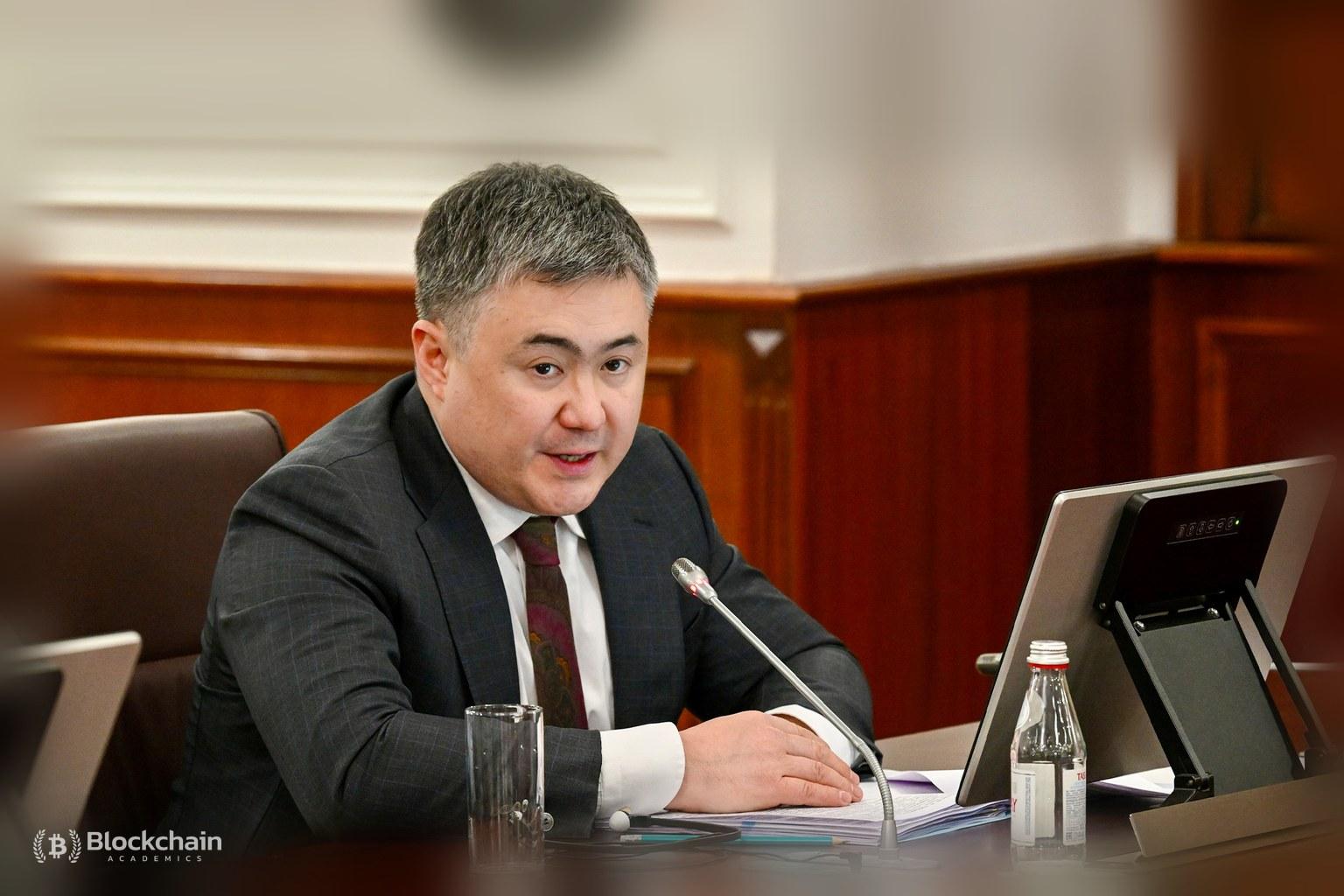
Timur Suleimenov, Governor of the National Bank, laid out the roadmap on November 13, 2026, at the 14th Congress of Financiers in Almaty, according to a central bank statement. The bonds would be issued jointly with the Ministry of Finance, and Suleimenov described the first quarter as "most likely" the timing.
The pilot behind the plan
On November 9, the National Bank issued tokenized short-term notes through the digital financial assets (DFA) platform run by the Kazakhstan Stock Exchange (KASE). The tokenized tranche of 10 billion tenge sat inside a larger 50 billion tenge offering of 91-day notes. Demand reached 1.4 times the amount offered, and the weighted average yield came in at 15.72%, just under the central bank rate of 15.75% for 2026.
Infrastructure and rollout
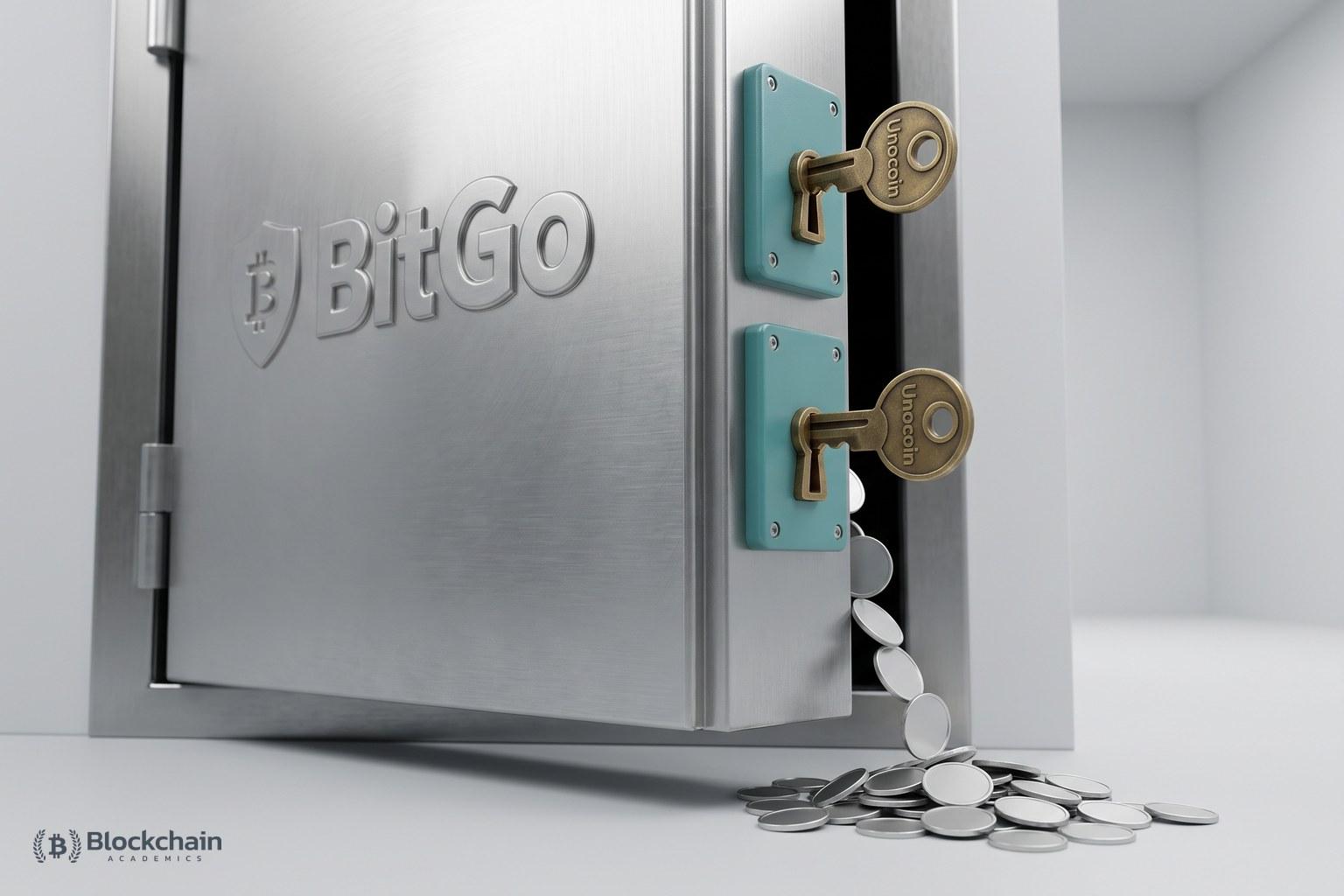
KASE became the country's first registered DFA platform operator on May 1, 2026, and private-sector tokenized issuances began there on October 27, 2026. The platform runs on Solana, with BitGo providing custody. Neither has been confirmed as a participant in the government bond issuance; their involvement in the pilot is all that is on record.
Suleimenov also plans to extend tokenization to other real-world assets, including real estate, precious metals and minerals.
What the pilot does and does not prove
Think of the November issuance as a stress test of the plumbing rather than of the credit. The planned bonds would be Finance Ministry debt, not central bank obligations, so the notes test the infrastructure without telling us much about how a sovereign bond would be received.
The 1.4 times oversubscription also came from a single pilot auction. Sovereign issues tend to be larger and draw broader buyers, which makes the government sale a sterner test of whether demand scales. Several questions remain open: the size of the first bond issue, whether foreign investors can participate, and whether the tokens can trade beyond the primary auction.
The plan fits a broader pattern in Kazakhstan's digital asset policy. In October the National Bank partnered with Tether on stablecoins and asset tokenization, and officials have outlined plans to tokenize real estate and other assets. Kazakhstan is not alone in eyeing on-chain sovereign debt: Latvia is also exploring tokenization of its national bonds.