Over $600K Drained From Trezor and Exodus Wallets on One iPhone
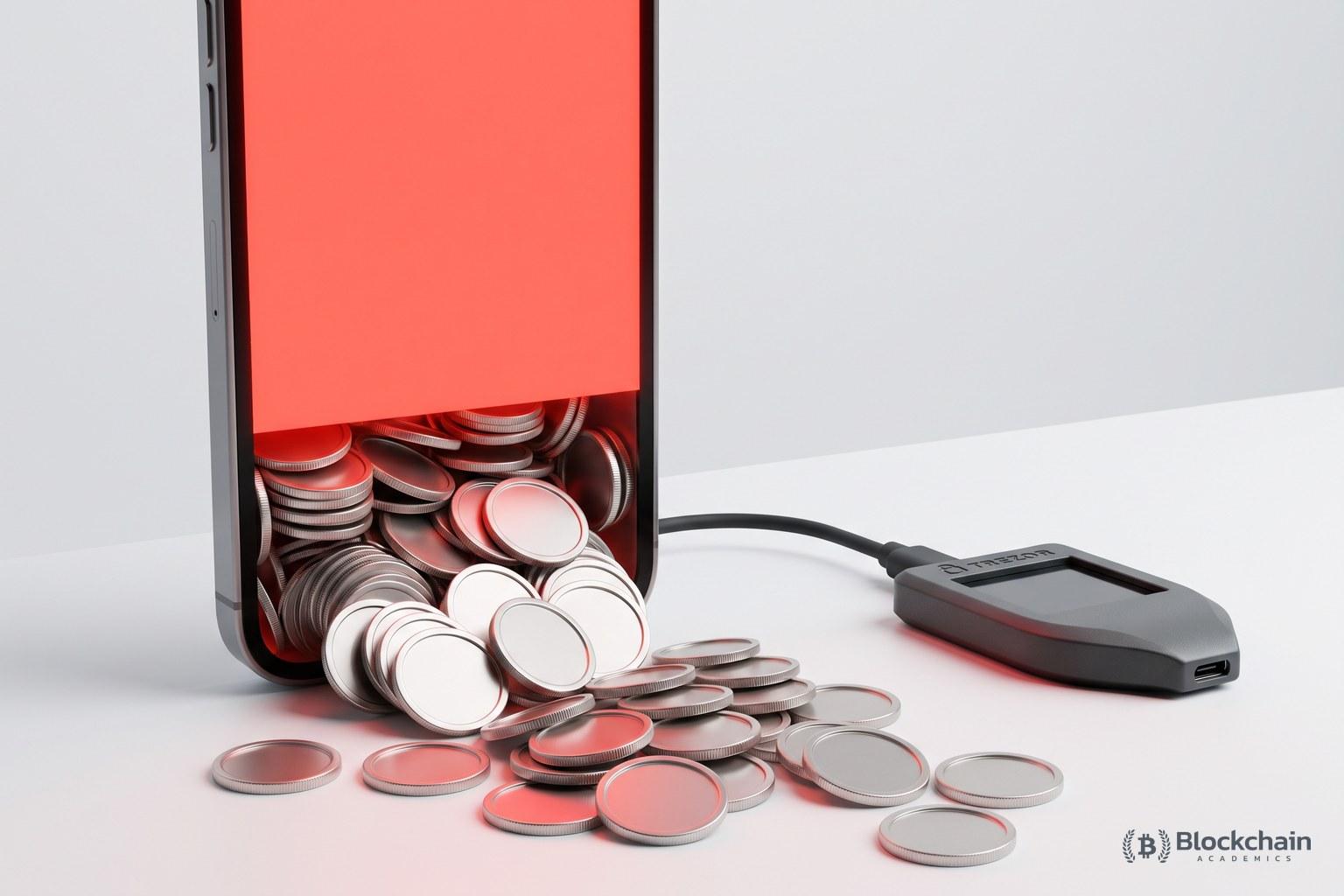
A crypto holder lost more than $600,000 from a Trezor hardware wallet and an Exodus wallet on the same iPhone 17 Pro Max. Onchain Lens says the transfers used the owner's own signing authority; the victim says the seed was never stored digitally.
A crypto holder lost more than $600,000 from a Trezor hardware wallet and an Exodus software wallet used on the same iPhone 17 Pro Max, according to blockchain analytics account Onchain Lens. The largest loss, about $580,000 in USDT on TRON, followed an unauthorized direct transfer on November 21, 2026.
Onchain Lens published its findings on November 23. It put the theft at over $610,000, with a breakdown totalling about $613,000. TRON accounts for roughly 95% of the total. About $23,400 in USDC was taken on Solana from the Trezor setup, and about $9,500 came out of the Exodus wallet.
A 49,999 USDT transfer from a Trezor-linked TRON address is identified as the primary unauthorized transaction. It used the account's default owner permission. On Solana, the victim's address appeared as transfer authority, signer and fee payer, with no separate delegate listed.
Onchain Lens found no evidence of allowance or delegate exploits.
The victim's account
The victim used a Trezor Safe 7 for about two months, connected over Bluetooth to Trezor Suite on an iPhone 17 Pro Max running iOS 27.2.1. The Exodus wallet was on the same phone. The device arrived sealed, and the victim says the recovery seed was written on paper and never stored digitally. The Trezor TRON and Solana accounts shared one recovery phrase.
"The victim says the seed was never stored digitally and no transactions were approved,"
Solid Intel
The chain records show the transfers were signed with the owner's own authority. How the attacker obtained that authority remains unresolved.
Attacker trail
Attacker funding came primarily from Binance. The attacker address received about 0.76 SOL from Binance before the Solana sweep. Some of the stolen Solana USDC later moved to a Bybit-linked address, and the victim says they contacted Bybit.
No link to Bluetooth bug found
Apple released iOS 27.2.1 on Nov. 9 with a Bluetooth fix. Apple's security notes said:
"An attacker in Bluetooth range may be able to corrupt process memory,"
Apple
Onchain Lens found no link between that bug and the theft.
Accounts of Trezor's response differ. One report says Trezor has received no reports of remote drains and that such incidents usually stem from compromised wallet backups. Trezor also says the Safe 7's Bluetooth chip is walled off from the keys, so even a hacked link cannot move funds. Other reports say neither Trezor nor Exodus has commented.
What it means
The shared recovery phrase links the two Trezor losses beyond the phone itself, since one backup can restore access to accounts on multiple chains. If the phrase was exposed through the software wallet, hardware protections would be bypassed. Nothing published so far establishes that route, and the Exodus loss raises a separate question about how access to that wallet was obtained.
The case is separate from the Skladon incident, in which Trezor disclosed a shipping-partner breach exposing about 27,000 orders. That breach exposed names, phone numbers, addresses and purchase details, but not wallet backups, PINs or passphrases, and the sources do not link it to this theft.