Ethereum Foundation Doubles Security Team for AI, Quantum Overhaul
The Ethereum Foundation has doubled its protocol security team. Researcher Kev Wedderburn says AI now outranks quantum as the urgent threat, and the coming overhaul of signing and rollup verification is harder than the Merge, with less time to ship it.
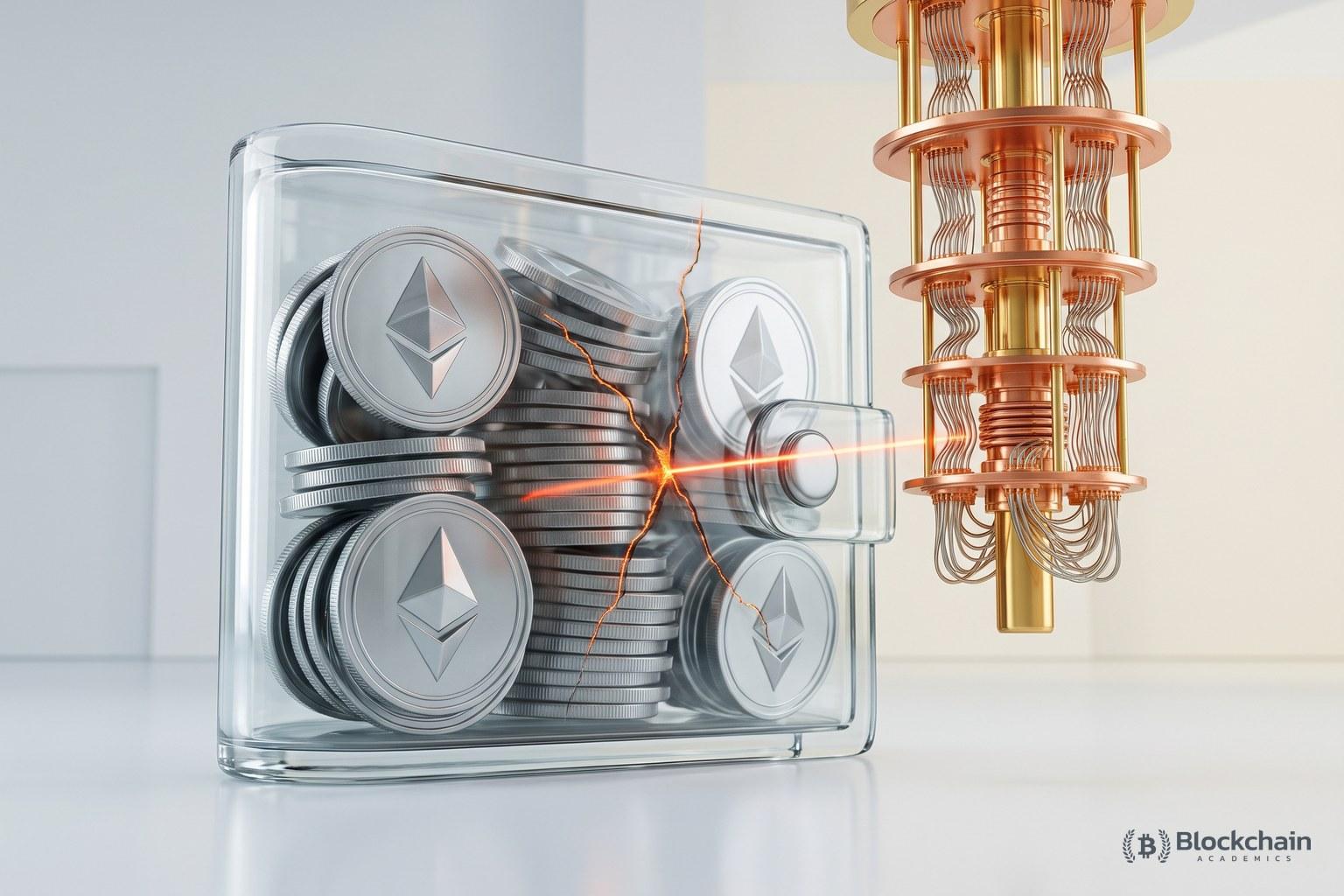
The Ethereum Foundation has doubled its protocol security team as it speeds up work to harden Ethereum against quantum computers and AI. The bigger story is which threat now tops the list. In a blog post on Monday, Nov. 23, Foundation researcher Kev Wedderburn said AI has overtaken quantum as the more urgent risk.
Ethereum has been planning ways to mitigate quantum threats for a while. Wedderburn's point is that AI has jumped the queue. He said the team was expanded so formal verification and security work can keep pace with development.
The planned overhaul is broad. It would change how validators sign messages, how users authorize transactions, and how Ethereum verifies data posted by rollups.
Wedderburn did not soften the scale of the job:
"This upgrade is harder than the Merge, and we have less time,"
Kev Wedderburn, Ethereum Foundation researcher
He also conceded the tradeoff. The faster development pace the work demands "makes it easier to ship bugs." That is a notable admission from a team asking the network to accept sweeping changes to its signing and verification layers with less time on the clock.
He framed the priority shift in blunt terms:
"Every layer of the protocol and ecosystem will need to adapt to the reality that hardening the protocol is now our highest priority,"
Kev Wedderburn, Ethereum Foundation researcher
Timeline pressure
Earlier this month, Foundation researcher Justin Drake outlined a December 2028 target for completing the post-quantum and post-AI transition. That is a year earlier than the previously announced quantum-resistance deadline.
Some want it faster still. As we reported on Nov. 12, Ethlabs proposed pqai27, which would bring readiness forward to 2027, two years ahead of the Foundation's December 2029 roadmap. Core developers had not approved it at the time.
What it means
For holders and validators, nothing changes today. This is a staffing and priority signal, not a protocol change.
The risk sits in execution: a tighter timeline stacked on top of other upgrades. Glamsterdam has already slipped to 2027, with a ChainSecurity review flagging 200 issues tied to proposed gas changes. Doubling the security team is the Foundation's answer to the pace problem, and Wedderburn's own warning about shipping bugs shows he knows the speed cuts both ways.