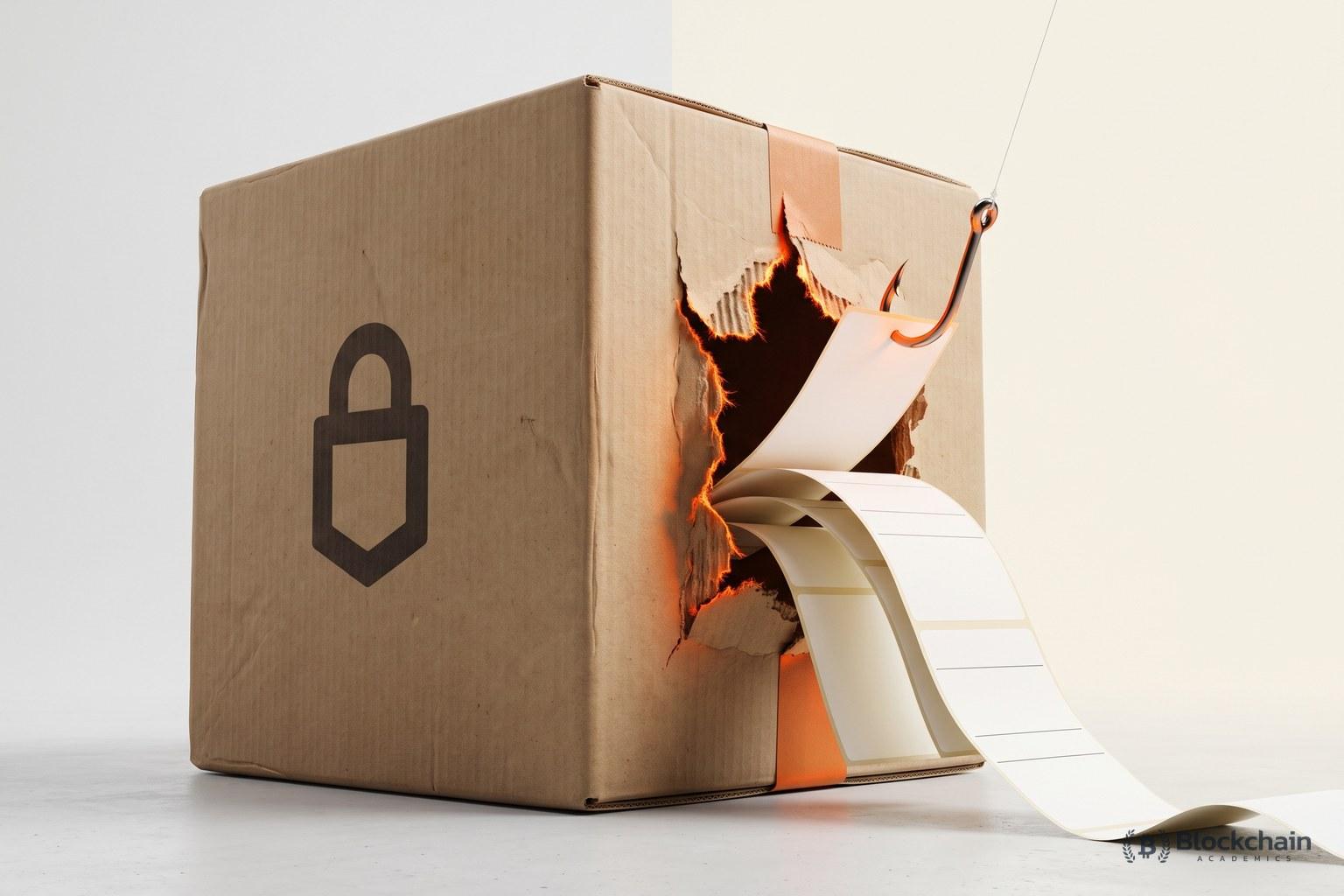
Trezor Discloses Skladon Breach Exposing 27,000 Wallet Orders
Trezor says an attacker likely exported names, phone numbers, addresses and purchase details tied to about 27,000 orders from shipping partner Skladon. No wallet backups, PINs or passphrases were exposed, but customers are warned of phishing and physical risks.
An attacker likely exported data tied to about 27,000 Trezor hardware-wallet orders from Skladon, a third-party shipping provider. It is the third vendor-linked breach to hit the company this year. According to Trezor's disclosure, published Monday, Nov. 16, its own systems were not compromised.
The intrusion occurred on Nov. 7, but Skladon did not notify Trezor until Nov. 15, a gap of eight days. Exposed records cover orders placed between Aug. 9 and Nov. 7 and include full names, phone numbers, delivery addresses, email addresses, products bought and prices. Trezor says no wallet backups, PINs or passphrases were exposed and customer devices remain secure.
Some customers have already reported fraudulent phone calls. Skladon does not ship to the United States, so US buyers were not affected. Customers who ordered between Aug. 9 and 14 may not receive a notification email because Trezor had already anonymized their records. Trezor has notified a data protection authority but has not said how attackers got into Skladon's systems.
The risk is less about direct theft than targeting. Trezor framed it this way:
"For crypto holders, a leaked shipping record does more harm than most. It links a person, a home address and the fact that they own crypto,"
Trezor
The breach does not by itself let an attacker move a buyer's coins, but a home address paired with evidence of owning a wallet is a dangerous combination. Trezor advises customers:
"Treat any unexpected call, text, email or letter about your order as suspicious, and be alert to potential risks to your physical security,"
Trezor
It added that it "will never cold-call you or ask for your wallet backup."
A third vendor incident this year
Skladon follows ShipMonk in August and Brevo in September. The ShipMonk breach initially affected fewer than 14,000 customers, but a further 67,000 or so US buyers from 2019 to 2021 were later identified, bringing the total to 80,689. The Brevo incident exposed 347,149 email addresses from Trezor's newsletter list, and hackers used Trezor's email channel to send a fake security warning.
Trezor defends its reliance on outside providers. In a reply on X, it said, "Companies of our size and global reach can’t run efficiently without third-party service providers." It argues Skladon held only the data needed to deliver parcels.
Response and wider context
Trezor has launched anonymous pickup at parcel lockers or collection points in 18 European countries, so buyers need not provide a home address. It is also working to cut order data retention from 90 to 45 days and says shipping partners must follow the same policy.
For hardware-wallet makers, the pattern matters: the devices can be secure while the logistics chain leaks the customer list. Trezor has acted on its supply chain before, as when it cut its reseller network over security concerns. Earlier incidents include a 2024 breach of its external support portal that put contact details of up to 66,000 people at risk, and fake Trezor-branded letters sent in February with QR codes leading to phishing sites.
Shorter retention and delivery without a home address reduce what a compromised partner can leak. Both measures depend on every partner complying.