Grief as Currency: The Rise of Celebrity Death Memecoins in Web3
Celebrity deaths are now triggers for crypto speculation, blurring lines between tribute and exploitation in the memecoin economy.
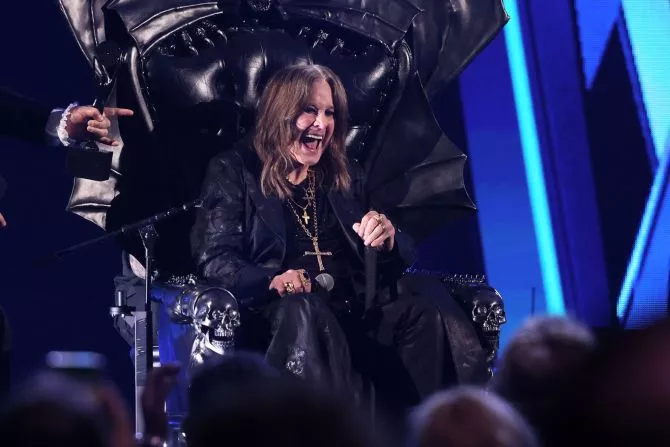
crypto, mourning has become monetized. The death of Ozzy Osbourne, Black Sabbath’s legendary frontman, and wrestling icon Terry “Hulk Hogan” Bollea have become the latest catalysts for a digital gold rush. Within hours of their deaths, memecoins likeThe Mad Man (OZZY)andHulkmanaia (HULK)skyrocketed in value—by 16,800% and an astonishing 122,000%, respectively—despite lacking any affiliation with the celebrities’ estates.
These digital tokens, often created without consent from families or legal representatives, signal a troubling shift in how online communities process grief. In a landscape increasingly shaped by virality and speculation, tribute is indistinguishable from exploitation. The question is no longerifa token will emerge following a celebrity death—buthow rapidly and recklessly.
TheHULKtoken, built on Ethereum and launched merely hours before its price spike, traded at $0.001335 and achieved a temporary market cap of over $3.85 million. Another older Solana-based token,HULKAMANIA, saw renewed interest, climbing over 2,000% in a single day. Analysts warn these projects, unaffiliated and unregulated, pose risks of rug pulls and market manipulation.
This pattern isn’t new. When Queen Elizabeth II died, more than 40 commemorative coins were minted within hours, withQueen Elizabeth Inuspiking 28,506% on minimal liquidity. Even the mistaken reports of Hogan’s death previously caused similar token frenzies. The underlying trend reveals a market where digital assets are driven not by utility or community—but by the emotional highs and lows of global culture.
Some attempts have aimed higher. Following Kobe Bryant’s death in 2020, Cryptograph minted previously unreleased photos into NFTs, raising funds for the Mamba & Mambacita Foundation. While well-intentioned, the monetization of grief—no matter how noble—remains a thorny ethical issue.
Ripple Labs CTO David Schwartz reflected on his time ghostwriting for Black Sabbath on early IRC chats: “To the public, it felt real and authentic.” Even so, he later admitted discomfort. “It wasn’t the authentic interaction with celebrities that I wanted... To me, it was a failure, but to everyone else, it was a success.”
Today’s Web3 has magnified that tension. The promise of decentralization has enabled rapid creation, but also rapid commodification. Memecoins based on the death of beloved public figures are not legacies—they are speculative gambles.
As digital culture continues to blur the lines between tribute and transaction, the ethical questions only grow louder. In a blockchain world where death is a trading signal, perhaps the real loss is our sense of reverence.