Eyes on the Future: Sam Altman's Biometric Crypto IDs Launch Across the US
Sam Altman’s iris-scanning crypto project launches in the US with plans to redefine online identity through biometric blockchain tech.
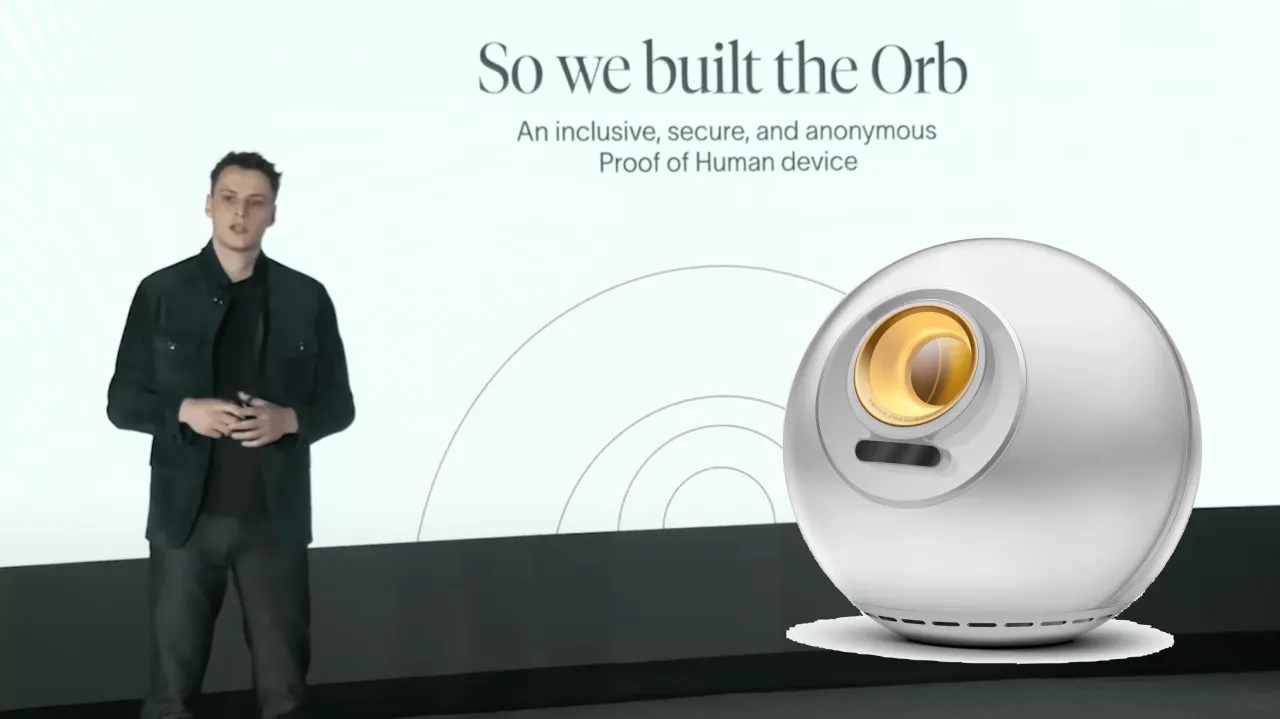
Six storefronts in cities like San Francisco, Miami, and Austin have just introduced a technology that could redefine digital identity. At the heart of this initiative is a gleaming orb the size of a soccer ball, which scans your eyes to confirm you're a real human. Welcome to the US debut ofWorld— the biometric identity platform born from the vision of OpenAI CEO Sam Altman.
Previously known as WorldCoin,Worldis the brainchild of Altman, Alex Blania, and Max Novendstern, created under their startupTools for Humanity. The platform aims to solve a pressing issue in the digital age: proving that users online are real people, not bots or AI-generated entities. The solution? A blockchain-based "World ID" linked to your biometric data — specifically, your irises and face — captured by the Orb.
UsingWorldbegins with downloading the app, syncing it with an in-store Orb, and undergoing a short biometric scan. The collected data is encrypted, sent directly to your phone, and used to generate a unique identity token. The Orb, according to the company, immediately deletes any local biometric data post-scan. Users are rewarded with cryptocurrency — Worldcoins worth about $16 — as an incentive to sign up.
Altman believes that the U.S. is the ideal launchpad. At an official event in San Francisco, he stated, “I’m a very proud American, I think America should lead innovation, not fight it off.” Co-founder Alex Blania echoed this sentiment, emphasizing that the World ID will focus on sectors like gaming, online dating, and social media — areas where bots and impersonators have become increasingly problematic.
Despite enthusiasm from its creators,Worldhas faced considerable global regulatory challenges. South Korea issued an $800,000 fine over privacy issues. Authorities in Hong Kong ordered the company to halt operations, while Germany, Spain, and Kenya have also taken legal action. These concerns haven’t deterred the expansion, with a factory in Texas now manufacturing the Orb devices and a miniaturized version in development to accelerate user onboarding.
Critics remain wary. Privacy advocates question the implications of biometric data linked to blockchain, even if the system claims to delete raw data immediately. And while the store we visited in Union Square, San Francisco — modestly located between Macy’s and Louis Vuitton — had a steady stream of curious visitors, not all were ready to submit to an iris scan for a few digital dollars. One man, attending a nearby tech conference, summed up the skepticism with a shrug and a grin: “Free money is free money.”
World plans to install 7,500 Orbs across the United States by the end of the year — quadrupling its current presence — and just announced partnerships including a Visa-backed debit card and integration with Match.com Japan. While its promise of "proof of personhood" might seem futuristic, its implications are already very real.strong>/strong>