Bitcoin Surges Past $105,000 After Trump-Brokered Israel-Iran Ceasefire
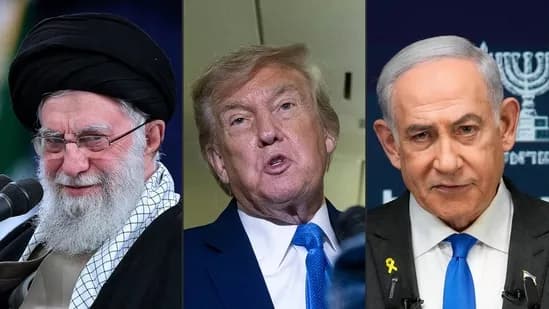
Bitcoin jumps above $105,000 following a ceasefire agreement between Israel and Iran, brokered by Donald Trump.
Bitcoin surged past $105,000 on June 24, 2025, in a striking rebound tied directly to a ceasefire between Israel and Iran, reportedly brokered by former U.S. President Donald Trump with support from Qatar. The world's leading cryptocurrency climbed as high as $105,927 in the last 24 hours, reflecting a 3.9% daily gain, according to crypto.news.
The recovery follows a turbulent week for Bitcoin, marked by heightened geopolitical instability in the Middle East. Just days prior, BTC had dropped to its lowest point since May—plummeting to $98,974—after the United States bombed three Iranian nuclear sites on June 22. This volatility culminated in a dramatic price correction, wiping out gains that had briefly lifted BTC to a previous high of $106,003.
The market's response to the ceasefire underscores the sensitivity of crypto assets to geopolitical developments. As the ceasefire news broke, investor sentiment shifted almost instantly, spurring a rally not only in Bitcoin but across the broader cryptocurrency sector. Bitcoin's market capitalization surged by 3.24% to reach $2.09 trillion, while its trading volume jumped 6.9% to $52.8 billion. The total crypto market cap followed suit, increasing 2.1% to $3.36 trillion.
"A ceasefire signal between Israel and Iran may have eased investor concerns for now," the report noted, highlighting how crypto markets often rebound quickly as geopolitical fears subside.
Yet, the situation remains precarious. Despite the ceasefire, Israeli Defence Minister Israel Katz accused Iran of breaching the agreement merely two hours after its announcement. The BBC reported that Israel intends to "respond forcefully" to this alleged violation, potentially escalating the conflict once more. Iran has denied the accusations, but the threat of further military action continues to loom.
Whether Bitcoin’s recent gains can be sustained hinges largely on how events unfold in the region. While the ceasefire has provided temporary relief, traders are bracing for renewed volatility should tensions reignite. This dynamic reflects a broader trend in which Bitcoin is increasingly viewed not only as a speculative asset but also as a barometer of global political risk.
In recent weeks, Bitcoin has declined 1.2% over seven days and 3.6% over two weeks, underscoring its vulnerability to macro events. Despite the recent rally, BTC remains down nearly 2% over the past month.