SoFiUSD Goes Live on Polygon as Its Third Blockchain
SoFiUSD, the dollar stablecoin issued by SoFi Bank, N.A., is now live on Polygon, its third chain after Ethereum and Solana. SoFi members can buy, sell, hold and convert it in the app with no separate wallet or manual bridging.
A dollar stablecoin issued by a U.S. national bank now runs on a third public network: SoFiUSD, the token issued by SoFi Bank, N.A., went live on Polygon on Thursday, November 12, joining Ethereum and Solana, Polygon Labs said in a press release.
SoFi members can buy, sell, hold and convert SoFiUSD on Polygon inside the SoFi app, with no separate wallet and no manual bridging between networks. That is a sizable audience: SoFi reported 17.1 million members at the end of September. The token is redeemable one-to-one for U.S. dollars, and its issuer, SoFi Bank, N.A., is overseen by the Office of the Comptroller of the Currency (OCC), the federal regulator of national banks.
What the integration adds
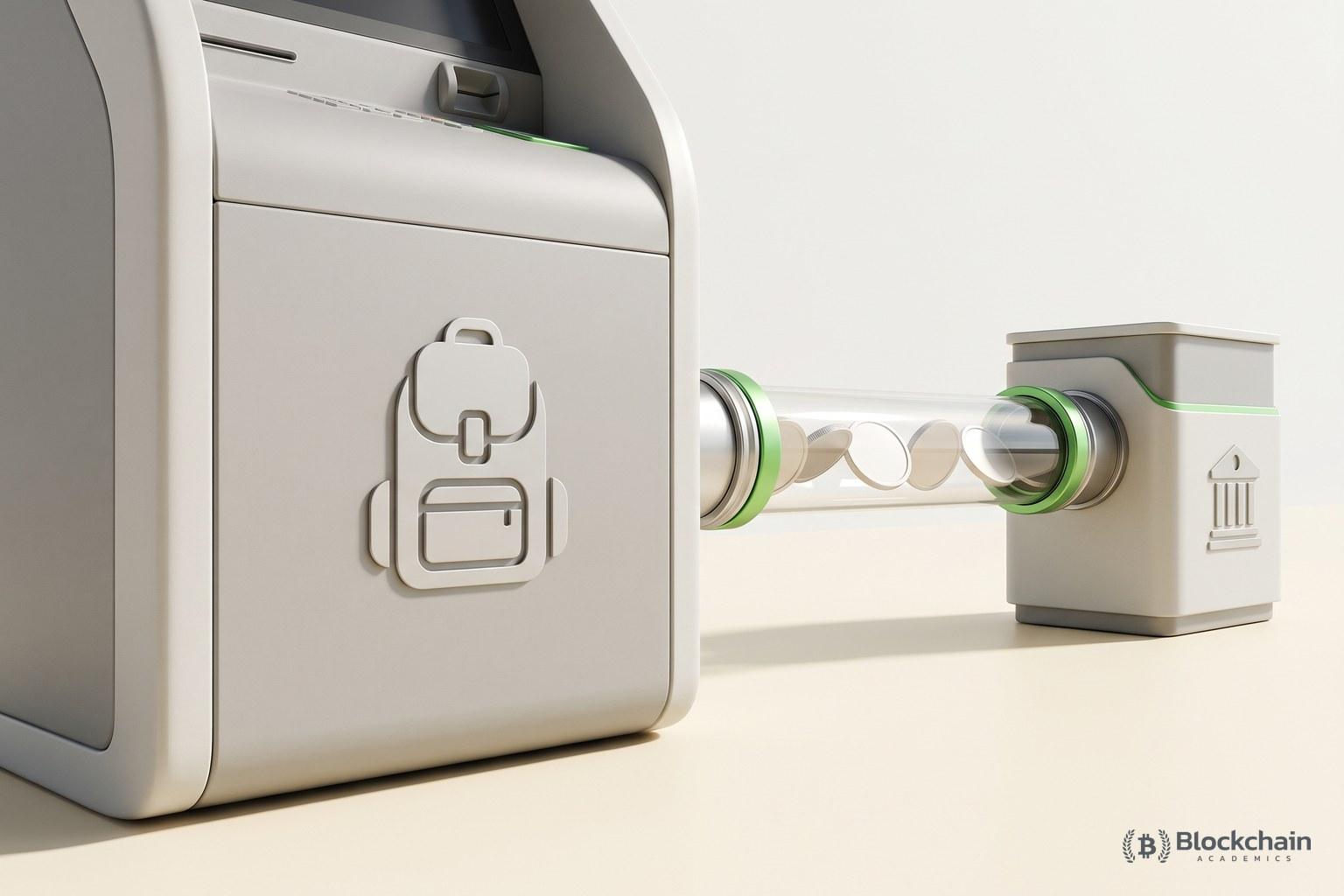
SoFiUSD now sits alongside USDC, USDT and PYUSD on Polygon Open Money Stack, a payments layer that lets a bank or fintech connect customer accounts to stablecoins and local currencies without stitching together multiple vendors. Think of it as a single plumbing system: instead of each institution laying separate pipes for wallets, fiat rails and conversion, it connects once and draws on all of them. Per the statement, the integration gives SoFiUSD access to wallets, fiat rails, stablecoin conversion and cross-chain settlement through one interface.
Polygon Labs set out the Open Money Stack framework this year as part of the network's shift toward payments, and it has since added Solana to Open Money Stack.
"SoFi is well positioned to bring stablecoins into mainstream finance because it combines the regulatory foundation of a national bank with the reach of a major consumer and enterprise technology platform"
Marc Boiron, Polygon Labs CEO
The rollout so far
SoFi launched SoFiUSD in December 2025 for banks, fintechs and enterprise partners, then opened it to members in the app in May on Ethereum and Solana. Groundwork for Polygon was visible months earlier: BitGo merged SoFiUSD token definitions for Polygon, Tempo and Monad into its open-source library on July 31, according to the pull request.
In September, SoFi began settling card transactions with its stablecoin on Mastercard's network, and in October it launched a tokenized deposit product.
Limits worth stating
SoFiUSD is not a bank deposit and carries no FDIC or SIPC insurance, according to the release. Bank issuance and OCC oversight describe who stands behind the token, not a deposit guarantee.
Why it matters
The move shows a regulated bank issuer extending a stablecoin across public chains through a shared payments layer rather than building each integration alone. Polygon is positioning itself as neutral infrastructure for that role, and Boiron said in a January interview, "We definitely don't compete on the stablecoins themselves."
The commercial base behind the token is growing. SoFi reported 503,000 crypto products at the end of the third quarter, along with gross crypto transaction revenue of $161.6 million, up 20% from the prior quarter.
What neither Polygon Labs nor SoFi has put a number on yet is how much SoFiUSD volume the new chain will actually carry.