Paraguay Lower House Impeaches Peña After Ueno Bank Collapse
Paraguay's lower house voted 78-0 to impeach President Santiago Peña minutes after he announced his resignation over Ueno Bank's collapse, which froze accounts for about 2.9 million customers and public funds. The Senate now decides on the charges.
Minutes after President Santiago Peña announced his resignation on Thursday, Nov. 5, Paraguay's lower house voted 78-0 to impeach him, sending the charges to the Senate. The crisis grew out of the collapse of digital lender Ueno Bank.
Vice President Pedro Alliana was preparing to take over, per AP. Lawmakers in both houses of Congress declined to accept Peña's resignation and moved to impeach him instead.
How Ueno failed
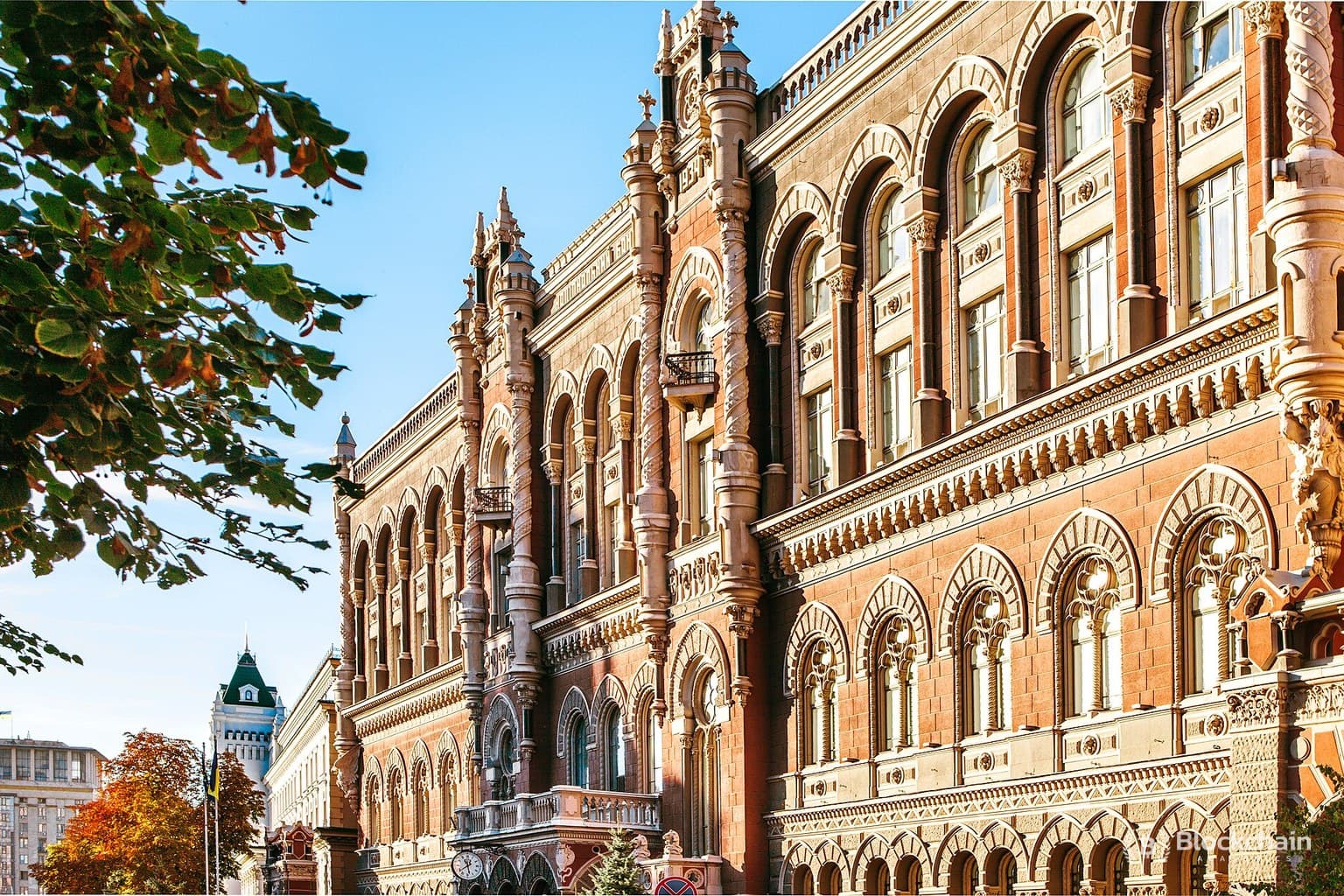
Paraguay's central bank (BCP) placed Ueno into resolution after finding its solvency ratio below half the required minimum. The process was announced on Nov. 3, a Tuesday, though one account says the central bank seized the bank's assets on Monday. The BCP published a notice that it had begun the resolution procedure.
Ueno had about 2.9 million customers, more than 60% of Paraguay's adults, in a country of 6.1 million. Its app, cards and transfers stopped working.
Public money was frozen too. One estimate puts it at about $380 million belonging to the Social Security Institute (IPS), including deposits from roughly 32,000 retirees, plus ANDE and Itaipú funds. AP reports that Ueno held roughly $800 million in public-sector deposits. The two figures have not been reconciled.
Political fallout
Opposition lawmakers and ruling-party dissidents filed the impeachment request against Peña and Alliana on Wednesday. The ruling Colorado Party and Peña's mentor, former president Horacio Cartes, backed a trial.
"We support the impeachment trial of the President of the Republic, Santiago Peña, in order to put the Republic's institutions back on track"
Horacio Cartes, former president
Peña previously held a stake in Grupo Vázquez, Ueno's majority owner. He denies wrongdoing and says he sold his interest in March 2025, Reuters reported. He has said he will exercise his right to a defense before Congress.
"My greatest wish is that the return of those funds be guaranteed, that the Deposit Guarantee Fund fulfill its purpose"
Santiago Peña
Eight Ueno executives have been arrested, including founder Miguel Vasquez and current head Juan Manuel Gustale, and prosecutors have charged 27 bank officials. Carlos Carvallo, who had led Ueno before heading the central bank, resigned as central bank president. Ueno kept poor accounting, registering some expenses as assets.
Protesters clashed with police in Asunción.
Depositor payouts and market effects
The central bank calls Ueno's failure isolated. Its deposit guarantee covers up to 228.3 million guaraníes per depositor, with dollar conversions ranging from roughly $36,000 to $38,600. The BCP announced the start of guarantee payments. First payments go to depositors with up to 10 million guaraníes, no Ueno debts and an account at another institution.
The guaraní fell 4% as Peña resigned. After Ueno's closure, USDT offers on Bybit showed a 13% premium in Paraguay, a gap that later reports said had vanished.
The lockout has revived Bitcoin's self-custody argument, though self-custody brings its own risks: lost keys, theft and volatility. Paraguay had already been tightening crypto oversight, with new rules requiring Bitcoin transaction reporting above $5,000.
The Senate now decides on the charges.