HSBC Opens Tokenized HKD Money Fund to RedCoin Holders From HK$100
HSBC has opened a tokenized unit class of its HKD money market fund to RedCoin holders from HK$100. Units are designated on Ethereum, but the ownership register and final settlement stay off-chain and secondary trading is barred.
Hong Kong retail customers can now put HSBC's Hong Kong dollar stablecoin, RedCoin, into a tokenized money market fund, with subscriptions starting at HK$100 (US$12.74). The South China Morning Post reported on Nov. 19 that the bank had introduced a new tokenized unit class of the fund, making RedCoin available for retail wealth management for the first time since its October debut.
The product is a new tokenized unit class of the HSBC Global Money Funds – Hong Kong Dollar, and subscriptions run through the HSBC HK mobile banking app. Ethereum is the initial public blockchain designated for the units. The manager and tokenization agent may add other networks later if they meet comparable security standards.
Structure and limits
The on-chain element is limited. The official ownership register stays off-chain, and final settlement occurs outside the blockchain, though transactions are recorded on-chain. Tokens can be held only in approved digital wallets. Tokenized classes are available through primary-market subscriptions and redemptions only, with no secondary trading.
The fund invests at least 70% of net assets in short-term HKD deposits and high-quality money market instruments. It does not guarantee investors will recover their original investment. Estimated ongoing annual charges are 0.38%.
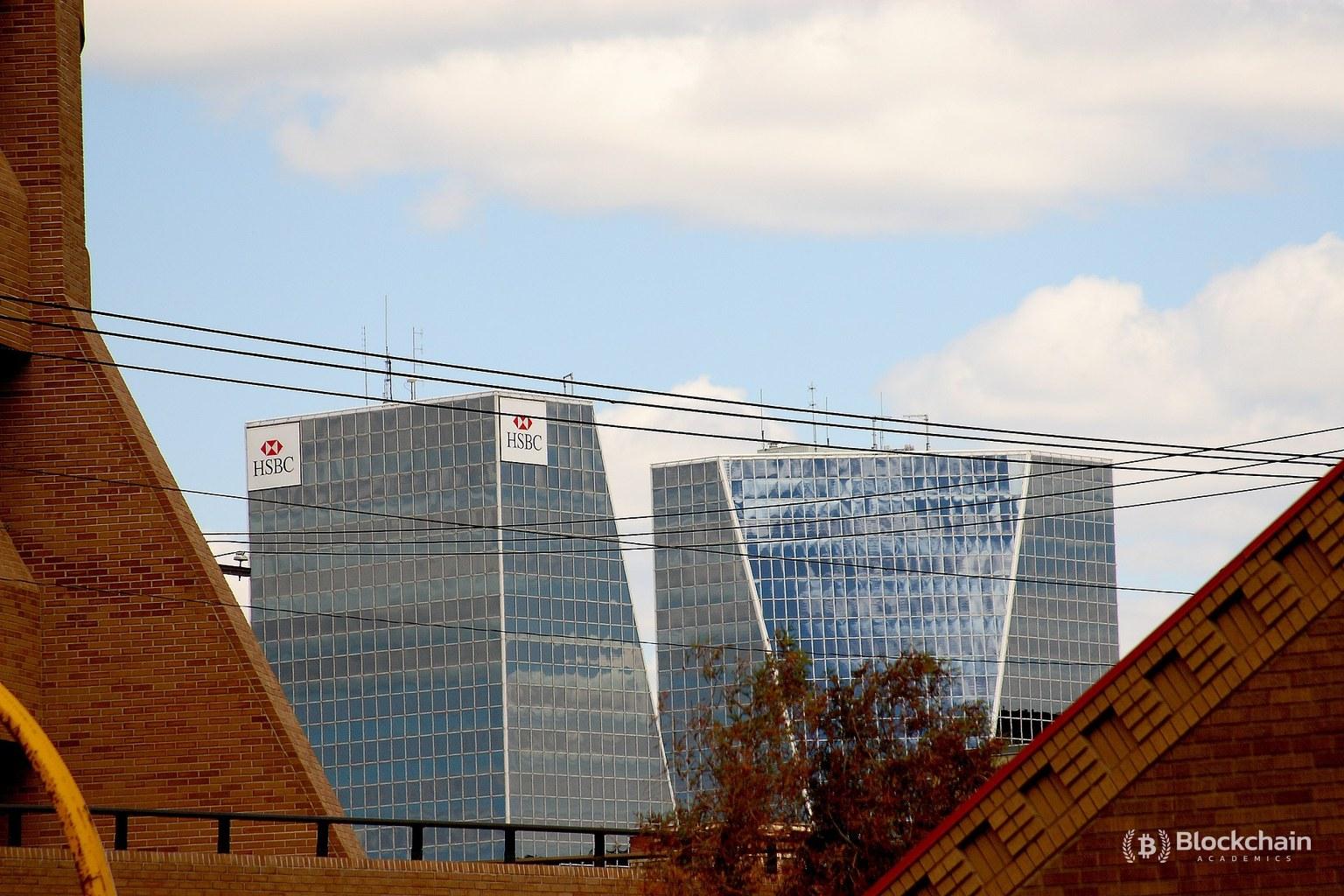
HSBC Investment Funds (Hong Kong) Limited manages the fund, with HSBC Global Asset Management (Hong Kong) Limited as investment adviser. The Hongkong and Shanghai Banking Corporation acts as tokenization agent, and HSBC Institutional Trust Services (Asia) Limited is trustee, registrar and transfer agent.
The entry point needs a caveat. The October prospectus lists HK$10,000 as the standard initial investment for tokenized classes but lets the manager accept smaller amounts. The retail guide specifies HK$100 for RedCoin-funded investments.
"Tokenised funds reduce traditional market friction and enable faster settlement,"
Winnie Ng Wing-yee of HSBC Hong Kong said.
RedCoin's footprint
RedCoin launched through PayMe on Oct. 23 to a network of more than 3.3 million app users. Group CEO Georges Elhedery said more than 50,000 users registered in its first week, per the Post. HSBC's Nov. 18 reserve disclosure lists HK$591.46 million of RedCoin outstanding, up HK$500.14 million over seven days, with cash reserves of HK$592.46 million.
RedCoin itself runs on HSBC's own distributed ledger network, not Ethereum. PayMe and mobile banking RedCoin wallets are separate, and tokens cannot be moved directly between them. The bank pays no interest on stablecoin balances, which sit outside Hong Kong's Deposit Protection Scheme. HSBC expects its first independent reserve attestation after Q4 2026.
Regulatory backdrop
HSBC holds HKMA stablecoin issuer license FRS02, granted April 10, alongside Anchorpoint Financial (FRS01), according to the HKMA register of licensed stablecoin issuers. The Stablecoins Ordinance took effect Aug. 1, 2025.
The fund gives holders of a stablecoin that pays no interest a route into an investment product at the same bank. It also lands in a growing market: Financial Secretary Paul Chan said earlier this month that publicly offered tokenized funds grew roughly sevenfold over the past year, with two tokenized money market funds trading round-the-clock on a licensed platform since October.
The move follows HSBC's naming of RedCoin ahead of its launch and sits alongside its tokenized deposit trial with Ant Digital. For now, the off-chain register, off-chain settlement and approved-wallet restriction keep the product closer to a digital distribution channel than to freely transferable on-chain ownership.