Bitcoin to Be Accepted at All Steak ‘n Shake Locations Across the U.S. Starting May 16
Steak ‘n Shake will accept Bitcoin at over 300 U.S. outlets, testing crypto’s real-world viability in fast food.
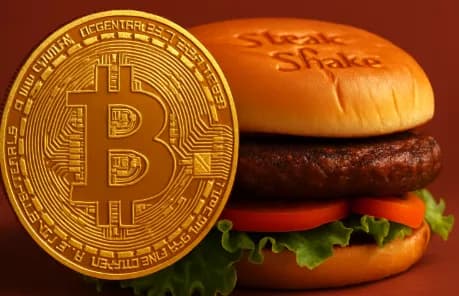
In a bold step toward mainstream cryptocurrency adoption, U.S. fast-food chain Steak ‘n Shake has announced it will begin accepting Bitcoin at all its U.S. locations starting May 16. The rollout will include over 300 restaurants nationwide and marks one of the most extensive retail tests for Bitcoin in an everyday, high-volume commercial environment.
With more than 100 million customers served annually, Steak ‘n Shake’s move positions it as a potential catalyst for broader adoption of cryptocurrency payments across the retail and food service sectors.
“Bitcoin is about to face one of its most practical tests yet,” the company said in a statement, noting the unique challenges of integrating a decentralized currency into a fast-paced, thin-margin business.
The announcement follows months of speculation. In March, Steak ‘n Shake hinted at the move in a post on X (formerly Twitter), asking followers whether Bitcoin should be accepted in-store. The tweet gained attention from prominent crypto advocates, including former Twitter CEO Jack Dorsey. Since then, the chain has leaned into Bitcoin-themed marketing, even referencing Elon Musk and RFK Jr. in its promotional content.
While this is not the first attempt at integrating cryptocurrency in the fast-food space, the scale of Steak ‘n Shake’s rollout sets it apart. Previous efforts—like Starbucks’ BTC top-ups via Bakkt or Chipotle’s acceptance of crypto through Flexa—have involved behind-the-scenes conversion of crypto to fiat, avoiding the risks of on-chain processing. Subway's early experiments in 2013 never scaled nationally.
It remains unclear whether Steak ‘n Shake will process Bitcoin payments natively or rely on instant fiat conversion tools. That distinction could determine whether this initiative represents a genuine step toward decentralized finance or simply another fiat bridge with a crypto front-end.
Globally, results have been mixed. In Venezuela, Burger King briefly accepted digital currencies in 2020, but the initiative faded quickly. In El Salvador—where Bitcoin became legal tender in 2021—brands like Pizza Hut and Starbucks offered BTC payments, yet national adoption has been inconsistent amid technical and logistical hurdles.
In the U.S., this move arrives as major retailers are under pressure to modernize payment systems and offer more flexible transaction options. For Bitcoin, long treated more as a store of value than as a currency, Steak ‘n Shake’s experiment could either validate its viability for retail payments—or expose its limitations in high-speed, low-margin settings.
Should the rollout succeed, it may encourage other chains to revisit crypto payment strategies. If it falters, it could serve as another cautionary tale in Bitcoin’s quest to move from digital gold to daily currency.