XRP Ledger Lending Amendments Hit Vote Threshold for Dec. 11
The XRP Ledger's native lending amendments reached 29 validator votes on Nov. 27, pointing to a possible Dec. 11 activation. Single-asset vaults could go live Dec. 9, and the unsecured, broker-assessed loans put credit risk on vault depositors.
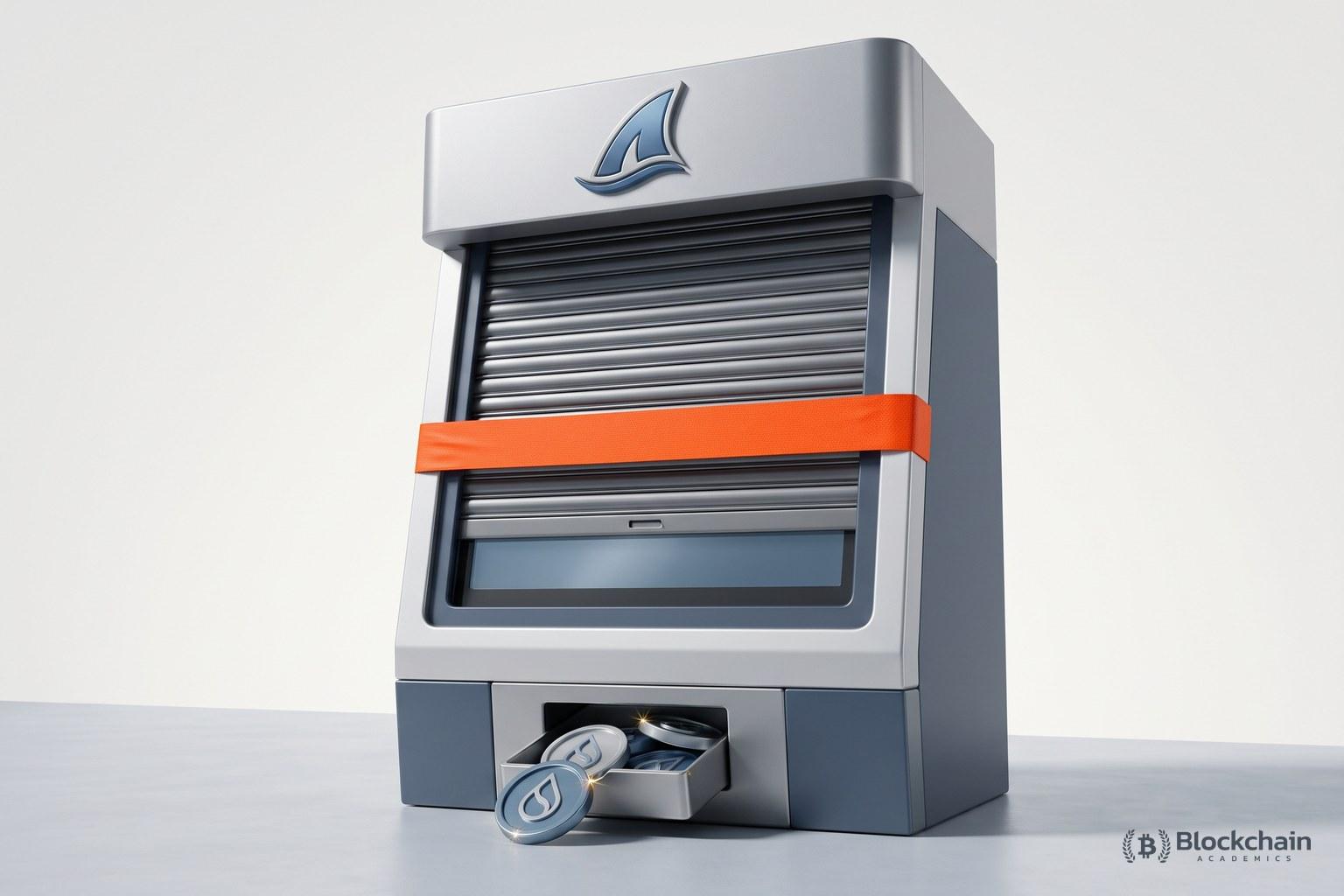
Native lending on the XRP Ledger is now on a two-week clock. LendingProtocol and LendingProtocolV1_1 each reached 29 validator votes on Nov. 27, clearing the threshold that points to a possible Dec. 11 activation.
The ledger tracker XRPL.to recorded the majority at 14:22 UTC in flag ledger 108607678, up from 28 votes earlier in the day. XRPSCAN's tally also shows 29 yes votes for both. On Nov. 23, each amendment had 24.
How the countdown works
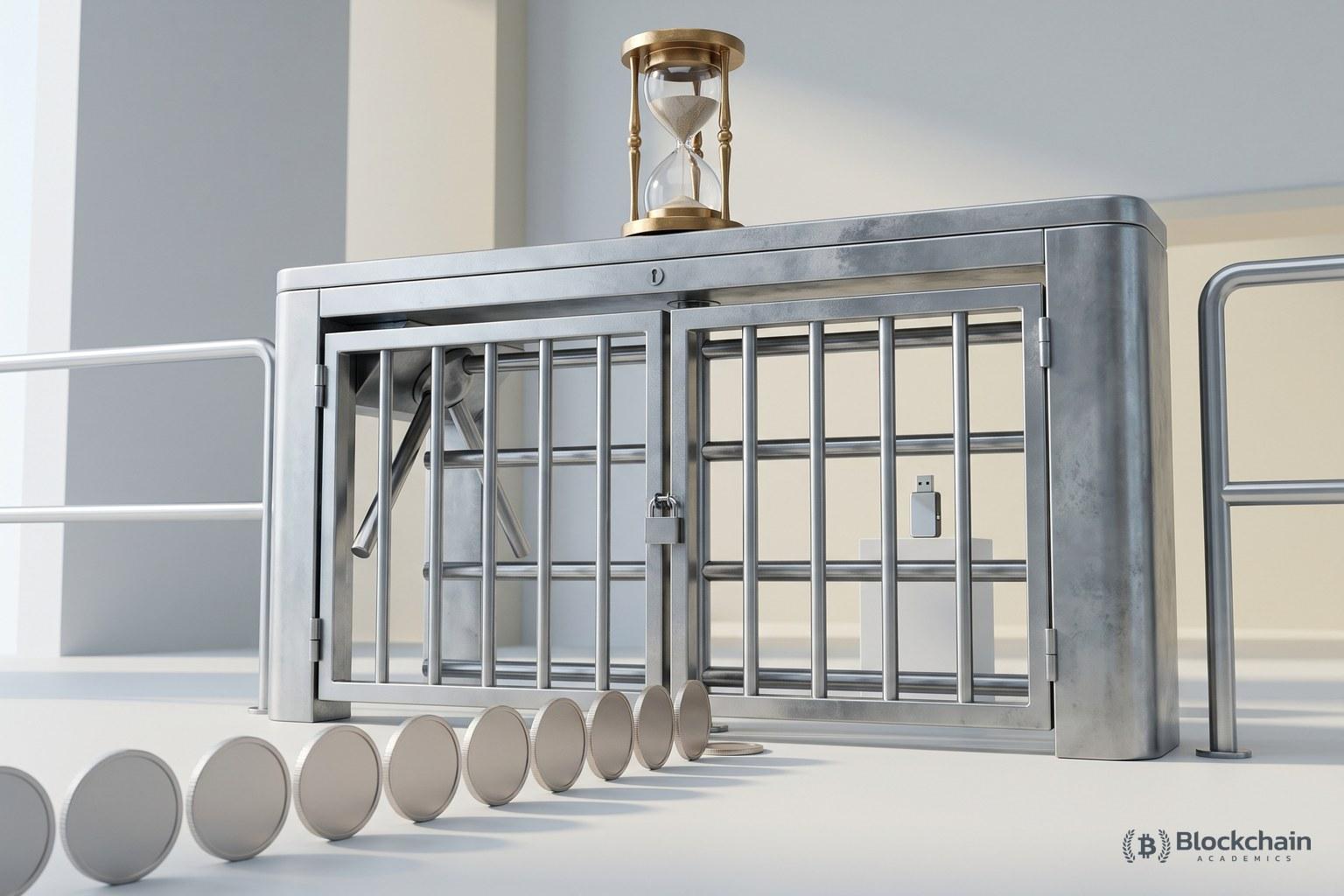
XRP Ledger amendments activate through validator voting. Each must hold the backing of more than 80% of trusted validators for two uninterrupted weeks. If support falls to the threshold or lower, the clock resets and the amendment has to build a fresh two-week run. Dec. 11 is therefore a possibility, not a guarantee.
SingleAssetVault runs on a separate schedule. It crossed the threshold on Nov. 25 at 19:38 UTC, up from 25 votes on Nov. 23, and the updated snapshot shows 30. If its support holds, it could activate Dec. 9, two days before the lending pair.
The order matters. Under XLS-65, a vault pools deposits of a single asset and issues tokens representing each depositor's share. The lending specification lists that vault standard as a dependency, so the vaults supply the pooled funds and brokers need the lending changes live before they can use those pools to originate native loans.
What the loans look like
XLS-66 proposes fixed-term, unsecured loans. A loan broker assesses the borrower off-chain, and the ledger handles disbursement and scheduled payments. With no on-chain collateral, there are no price-oracle liquidation triggers. Think of it less as a pawn shop and more as a bank loan, with the ledger acting as the payment rail.
Risk sits with the vault's depositors. A broker can optionally commit its own funds as first-loss capital, with the required amount tied to a percentage of the debt owed to the vault where configured. After the grace period, a broker can mark a missed-payment loan as in default, and any loss the first-loss cover does not absorb reduces the assets backing depositors' vault shares.
LendingProtocolV1_1 changes interest accounting: newer vaults recognize interest when the borrower pays it. It also requires new loan brokers to use closed-ended vaults, which have separate periods for deposits, investing and returning money.
Testing and the stablecoin base
The XRP Ledger Foundation and VS1 Finance opened a lending app for testing on Nov. 19. It is open source, runs on Devnet and combines five amendments, including Credentials and Permissioned Domains.
Any lending market needs assets to lend. DefiLlama put the XRP Ledger stablecoin market cap at $836.92 million on Nov. 27. RLUSD accounts for $748.13 million, or 89.39%, followed by Valtorum USD at $72.77 million, EUR CoinVertible at $10.94 million and USDC at $4.46 million. That concentration makes RLUSD the obvious candidate for early vaults, and it is a token Binance is already promoting with a 600,000 XRP pool for holders running through Dec. 18.
Context
The vote lands while the ledger competes for on-chain capital. Stellar recently added $80.4 million in tokenized fund value, more than double the XRP Ledger's $36.3 million. If the amendments activate, stablecoin holders would gain a lending venue on the ledger itself. The unsecured, broker-underwritten structure, however, makes credit quality the central question once pools go live.