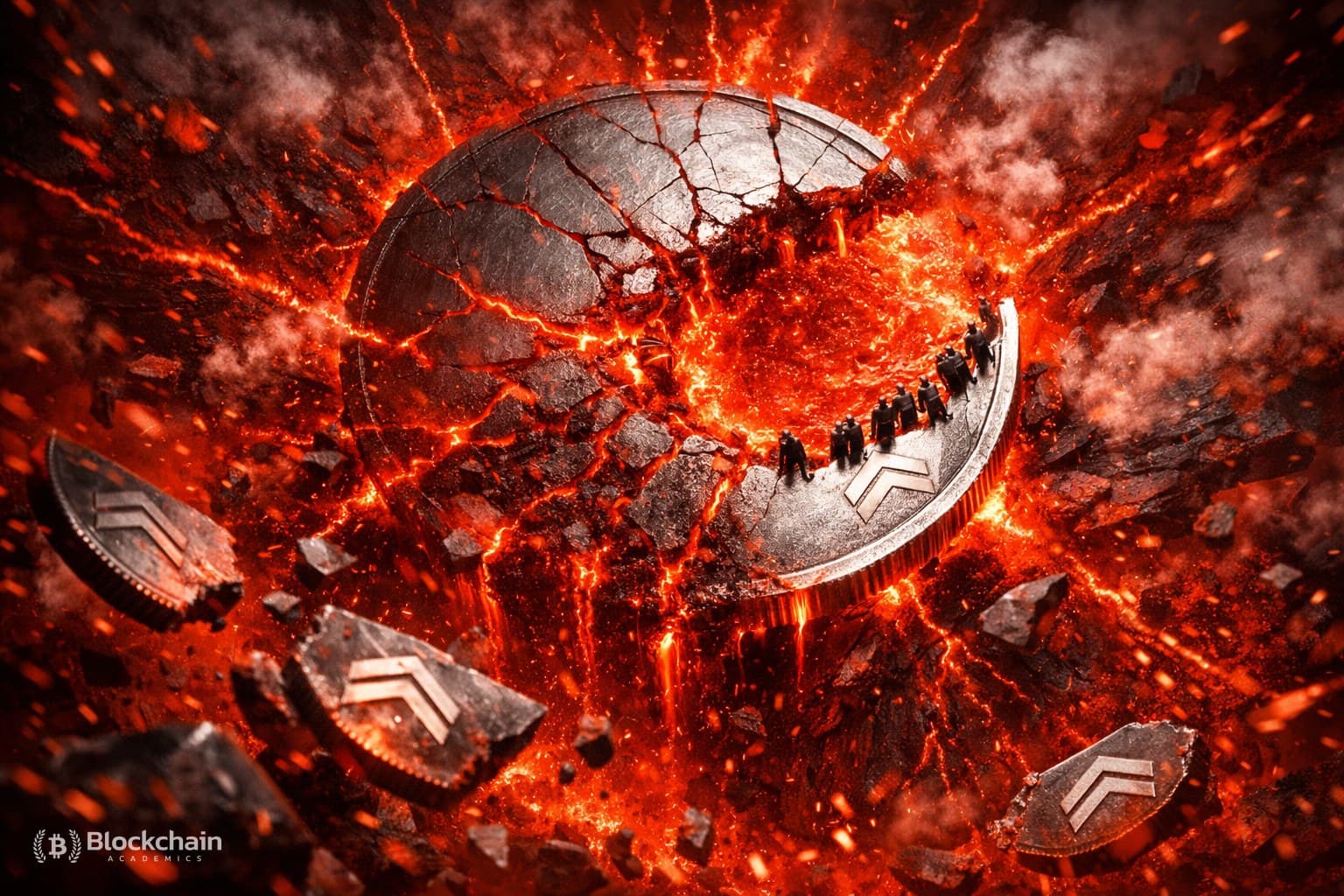
THORChain Halts Trading After $10.7M Cross-Chain Exploit
THORChain, a decentralized cross-chain liquidity protocol, paused all trading on May 15 after blockchain security researchers detected an exploit draining $10.7 million across Bitcoin, Ethereum, Binance Smart Chain, and Base.
THORChain Halts Trading After $10.7M Cross-Chain Exploit
THORChain, a decentralized cross-chain liquidity protocol, paused all trading on May 15 after blockchain security researchers detected an exploit draining $10.7 million across Bitcoin, Ethereum, Binance Smart Chain, and Base. The coordinated assault triggered an emergency halt as the protocol's operators moved to contain the damage.
Blockchain investigator ZachXBT confirmed the exploit totaled $10.7 million, with the attacker successfully extracting funds across all four blockchains in a single coordinated assault. The rapid detection and response prevented further losses, but RUNE, THORChain's native token, tumbled 12% within hours of the exploit announcement.
The exploit represents the latest vulnerability in cross-chain infrastructure, a category of DeFi protocols that has repeatedly attracted attackers. Cross-chain bridges and liquidity layers are inherently complex, requiring coordination between multiple blockchains and often relying on validator sets or smart contracts to manage assets across chains. This complexity creates surface area for bugs and exploits. The Ronin Bridge lost $625 million in March 2022, the Poly Network suffered a $611 million exploit in August 2021, and the Nomad Bridge was drained for $190 million in August 2022. Each incident has underscored the security challenges facing protocols that move value across blockchain boundaries.
THORChain's response differed from some historical exploits. Rather than continuing operations while attackers drained funds, the protocol triggered a global emergency halt, pausing trading across all supported chains. This swift action reflects improved incident response protocols in DeFi. When the Ronin Bridge was exploited, the bridge remained operational during the attack, allowing the attacker to extract funds with minimal interruption. THORChain's trading pause limits the window for further exploitation, though the initial damage has already occurred.
The $10.7 million loss is significant but represents a smaller percentage of total value locked compared to some precedents. The Ronin exploit represented a much larger absolute loss and a higher percentage of the bridge's TVL at the time. That context does not minimize the impact on THORChain users or the protocol's reputation, but it suggests the exploit may not pose an existential threat to the platform.
THORChain has weathered previous security incidents. The protocol has experienced vulnerabilities before and recovered, suggesting institutional and community confidence in its ability to patch bugs and resume operations. Developers will now conduct a full audit of the affected code, identify the vulnerability's root cause, and deploy fixes before re-enabling trading. The protocol's governance token holders will likely debate compensation mechanisms for affected users, a process that has become standard in post-exploit DeFi recovery.
The incident underscores a persistent challenge in cross-chain DeFi: security audits and testing, while rigorous, cannot eliminate all risks in systems this complex. Cross-chain protocols must manage assets across multiple blockchains with different consensus mechanisms, validator sets, and security assumptions. A vulnerability in any layer can compromise the entire system. As cross-chain volume grows and more capital flows through these bridges, the incentive for attackers grows proportionally.