37 Americans Arrested in AI Data Center Protests This Year
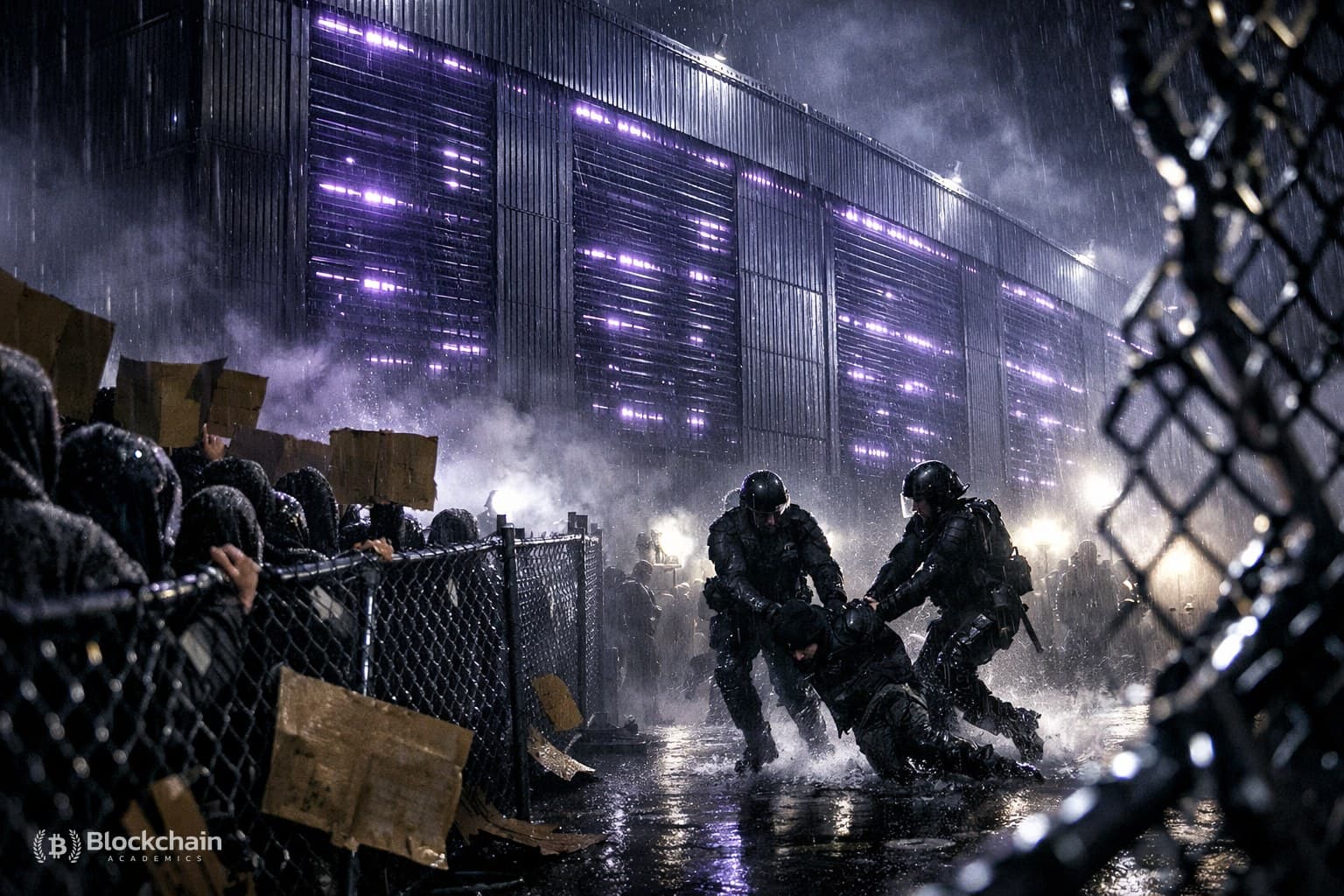
Thirty-seven people have been arrested across the United States in 2026 over demonstrations targeting artificial intelligence data centers, as local opposition to large-scale computing infrastructure hardens into an organized national movement.
37 Americans Arrested in AI Data Center Protests This Year
Thirty-seven people have been arrested across the United States in 2026 over demonstrations targeting artificial intelligence data centers, as local opposition to large-scale computing infrastructure hardens into an organized national movement.
The arrests span multiple states and reflect a pattern of community resistance that has intensified alongside rapid expansion in AI computing capacity. Protesters have cited concerns over electricity consumption, strain on local power grids, land use, and environmental impact. In several cases, arrests followed alleged trespassing or blockades at construction and operating sites. The cumulative figure, 37 arrests in roughly seven months, signals that opposition has moved well beyond isolated neighborhood disputes.
The dynamic carries unmistakable echoes of the regulatory and community battles that reshaped the cryptocurrency mining industry over the past several years. Bitcoin and other proof-of-work miners drew sustained local opposition in regions including upstate New York, the Pacific Northwest, and Texas, where concerns about grid strain and noise pollution triggered zoning fights, moratoriums, and legislative action. Texas regulators imposed a grid moratorium that ultimately entrenched incumbent miners while blocking new entrants, a regulatory outcome that favored scale over community concern without fully resolving the underlying tensions. The AI data center protests suggest that pattern is repeating, now at a larger infrastructure footprint and with higher political visibility.
"Dozens of arrests tied to opposition against AI data centers underscore how local disputes over massive computing projects are growing into a national political movement."
AI data centers typically draw more capital, consume more power per facility, and carry greater political weight than most mining operations. A hyperscale data center serving a major cloud provider can pull hundreds of megawatts from a regional grid, a load that dwarfs most individual mining farms. That scale makes the infrastructure harder to relocate and harder for local governments to block outright, which may explain why opposition is escalating to direct action and arrests rather than settling into zoning negotiations.
Proponents of the facilities argue that the infrastructure is essential to U.S. technological competitiveness and that energy concerns are addressable through renewable procurement and grid investment rather than opposition to construction. Data centers also generate construction jobs and long-term tax revenue for host communities, arguments that have carried weight in some municipal approvals even over resident objections. The arrests, if they involved trespassing or obstruction, may reflect frustration that conventional political channels have not produced results for opponents.
What makes this moment significant for anyone tracking the regulatory arc of computing infrastructure is the speed at which local grievances are aggregating into federal-level political pressure. Crypto miners learned, often painfully, that community opposition left unaddressed tends to produce blunt legislative responses rather than nuanced policy. The question now is whether AI data center developers and policymakers draw that lesson early, or wait for the political pressure to crystallize into something more restrictive.