Ukraine Escalates Financial Offensive: Crypto Crackdown Targets Russia's War Chest
Ukraine sanctions 133 entities aiding Russia via crypto, aiming to cripple its war economy through international cooperation.
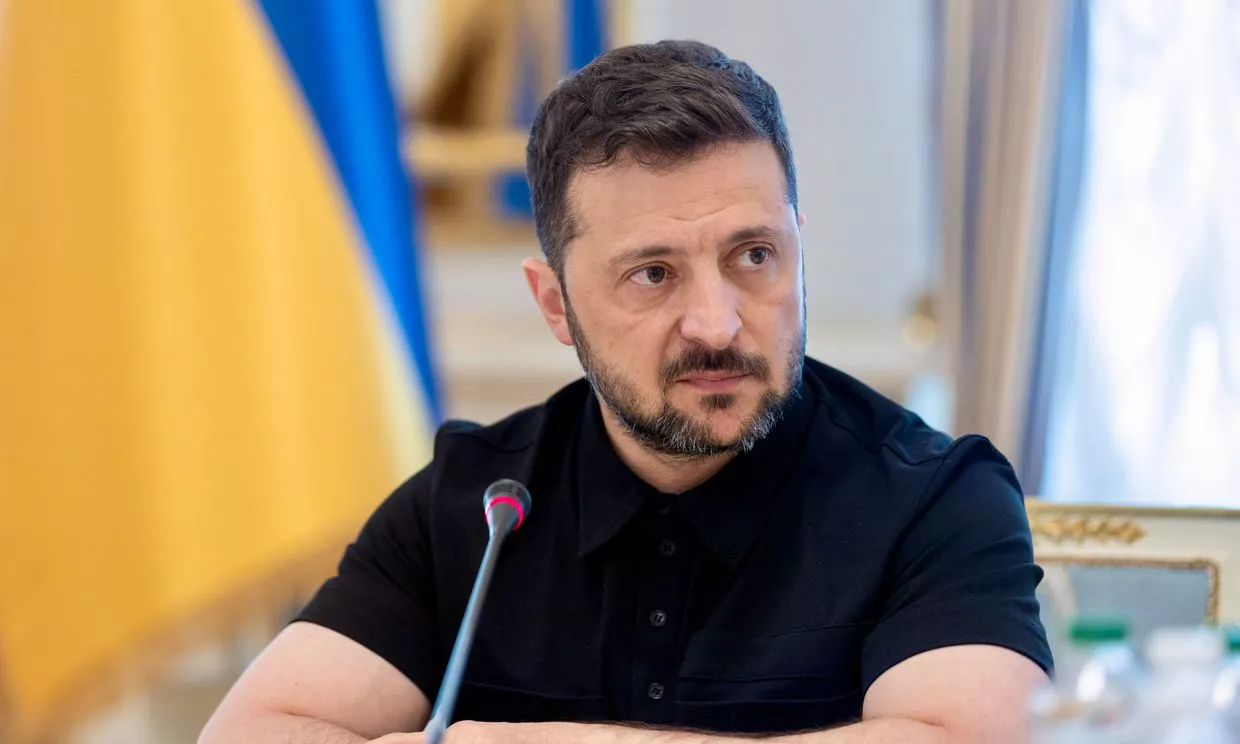
Ukrainian President Volodymyr Zelenskyy has enacted a sweeping sanctions package targeting the digital financial networks that have become crucial lifelines for Russia’s war economy. Signed on July 6, 2025, the sanctions strike at the heart of Russia’s alleged efforts to circumvent traditional economic restrictions by leveraging cryptocurrencies.
The new measures target 60 companies and 73 individuals involved in facilitating digital asset flows believed to support the Kremlin’s military operations. These sanctions were developed with the strategic guidance of the National Bank of Ukraine and are intended to disrupt financial mechanisms sustaining Russia’s military-industrial complex.
"This is not just a national initiative—it is a coordinated move aligned with the European Union," Zelenskyy said, emphasizing the importance of synchronizing Ukrainian legal frameworks with European sanctions to ensure effective enforcement.
According to the Ukrainian government, the entities under sanction have enabled transactions worth billions of dollars in 2025 alone. Many are directly tied to arms production and infrastructure projects such as the Alabuga Special Economic Zone, known for manufacturing drone components used by Russian forces.
By freezing assets and banning commercial activity in Ukraine, Kyiv aims to sever a critical revenue stream that has become more prominent for Russia as conventional banking channels are choked off by existing sanctions.
This effort is part of a broader campaign to undermine Russia’s defense sector. Just days earlier, on June 27, Ukraine blacklisted 87 organizations affiliated with Moscow’s military apparatus. The cumulative impact of these moves, according to Zelenskyy, is already “depriving Russia of a future” by restricting its financial maneuverability.
More coordinated actions are expected in the coming days as Ukraine prepares to mirror forthcoming EU sanctions. This integrated approach is designed to close the loopholes Russian entities have exploited in global finance, particularly in the fast-evolving world of cryptocurrency.
The National Bank’s involvement underscores the strategic shift toward using financial policy as a tool of national defense. It also sends a broader signal: that digital finance, while innovative, is not immune to geopolitical accountability.
Ukraine’s latest sanctions package represents not only a domestic defense policy but also a statement of international resolve. As Russia turns increasingly to decentralized financial systems, Kyiv and its allies are adapting with equal agility—demonstrating that even the most modern financial tools can be reined in when global security is at stake.