TON and Telegram Mini-Apps: A Frictionless Gateway to Web3
TON and Telegram mini-apps offer a frictionless gateway to Web3, bringing DeFi, NFTs, and crypto payments to nearly one billion users.
Overview
The Open Network (TON), initially conceived by Telegram, has emerged as one of the most promising blockchain ecosystems in 2025. What distinguishes TON is its seamless integration with Telegram’s vast user base of over 900 million people worldwide. By embedding blockchain-powered mini-applications directly into the messaging platform, TON offers a frictionless entry into the world of Web3. This convergence of a widely adopted social app with decentralized technologies represents one of the most ambitious attempts to mainstream crypto adoption.
Explanation
Mini-apps in Telegram function as lightweight Web3 applications accessible without separate downloads, browser extensions, or complicated onboarding processes. Built on TON’s blockchain, these apps can facilitate decentralized finance (DeFi), gaming, non-fungible tokens (NFTs), and payments directly within Telegram chats. The result is a “Web3 without barriers” experience, where users interact with blockchain services as naturally as they send a message. This approach addresses one of crypto’s longstanding challenges: reducing the complexity of user onboarding.
Examples
TON’s ecosystem has rapidly expanded through innovative use cases:
Advantages
The TON + Telegram integration provides several unique benefits:
Challenges and Difficulties
Despite its promise, the model is not without challenges:
Evolution Over Time
TON’s path has been complex. Initially launched as Telegram Open Network in 2018, it faced regulatory hurdles that forced Telegram to abandon its direct involvement. However, the open-source community revived the project asThe Open Network, with Telegram later re-embracing it by integrating wallets and mini-apps. In 2025, TON stands as a matured ecosystem, bridging social media and crypto utility at an unprecedented scale.
/h3>h3>
Market Sentiment
Market sentiment toward TON and its integration with Telegram is broadly positive. Investors see it as a rare opportunity to bring crypto to a mainstream audience. Venture capital firms are increasingly funding TON-based projects, betting on its massive distribution advantage. At the same time, skeptics warn that regulatory challenges or technical bottlenecks could slow growth. Nonetheless, the overwhelming consensus is that TON is among the most likely candidates to drive the next wave of crypto adoption.
/h3>h3>
Conclusion
TON’s integration with Telegram through mini-apps marks a paradigm shift in Web3 adoption. By embedding blockchain services into a platform already central to digital communication, TON provides a seamless, user-friendly gateway to crypto. The model reduces barriers, enhances accessibility, and demonstrates how blockchain can be embedded into everyday life. While concerns about centralization, security, and regulation remain, TON’s trajectory illustrates how strategic integration with existing platforms may finally bring Web3 to the masses.
By Alejandro Silva Ramírez, Crypto Analyst & Columnist
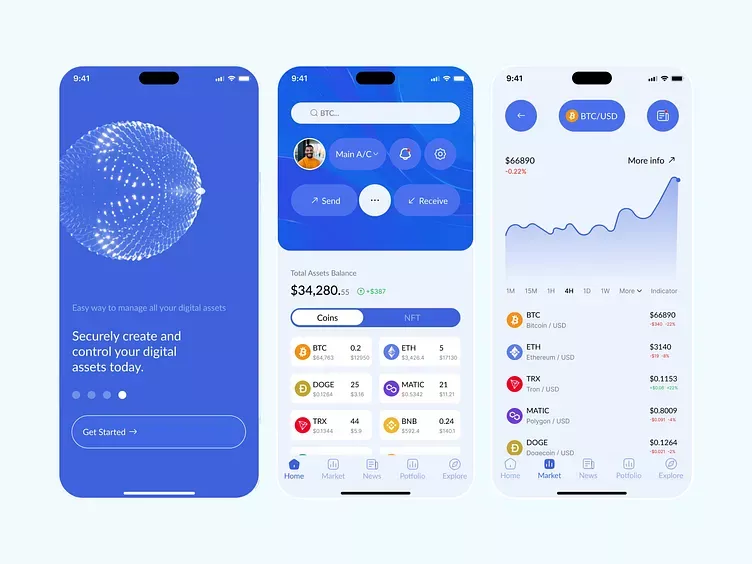
- TON Wallet– A native crypto wallet integrated into Telegram, allowing seamless transfers of Toncoin (TON) and stablecoins between users via chat.
- Mini-apps for DeFi– Protocols that enable lending, staking, and token swaps directly within Telegram’s interface.
- Web3 Gaming– Play-to-earn games accessible as bots or mini-apps, leveraging TON’s scalability to handle large user bases.
- NFT Marketplaces– Platforms enabling users to mint, trade, and display NFTs without leaving Telegram.
- Massive reach– Immediate access to a global audience of nearly one billion users.
- Frictionless onboarding– Users do not need external apps, private-key management tools, or specialized wallets to begin.
- Scalability– TON’s sharding technology supports high throughput, essential for mass adoption.
- Trust layer– Telegram’s reputation as a widely used platform lowers psychological barriers to entering crypto ecosystems.
- Composability– Mini-apps can interact with each other, creating a dynamic Web3 ecosystem inside Telegram.
- Centralization risk– Heavy reliance on Telegram raises concerns about control and governance.
- Regulatory pressure– Integrating financial services within a messaging app invites scrutiny from regulators.
- Security risks– Mini-apps and wallets embedded in popular platforms may become high-value targets for cyberattacks.
- User education– Although the onboarding is simple, many users still lack understanding of blockchain principles.