Taiwan’s Seized Bitcoin Cache Sparks a Broader Reckoning Over Crypto, Sovereignty, and State Control
Taiwan confirms holding over 210 seized bitcoins, fueling debate over crypto regulation, state custody, and Bitcoin’s strategic relevance.
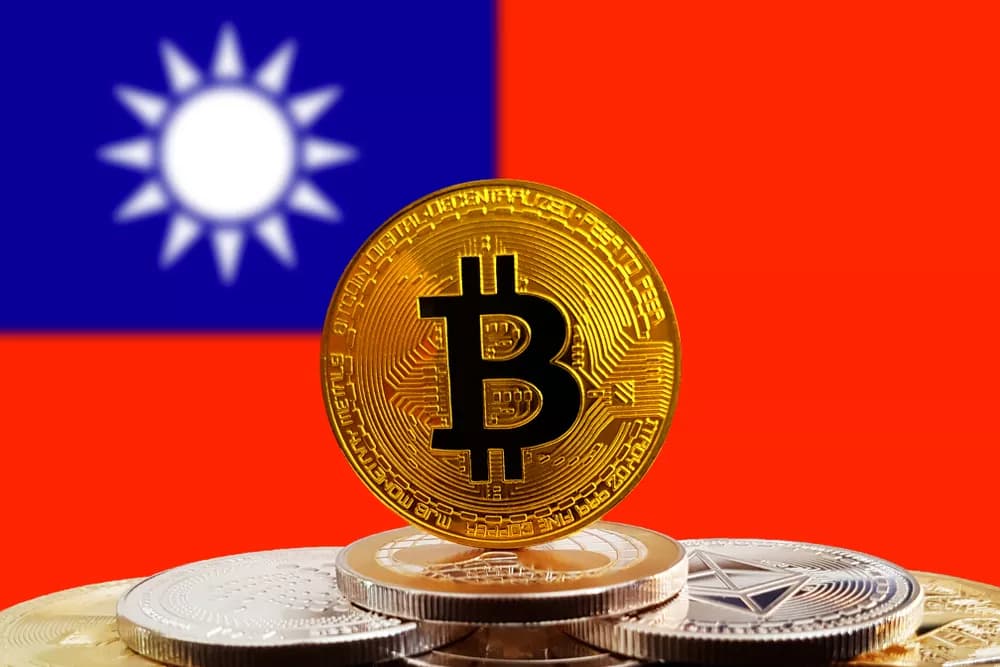
Taiwan has quietly joined the growing list of governments holding meaningful amounts of Bitcoin, not through market purchases, but through law enforcement. The Ministry of Justice has confirmed that more than 210 bitcoins are currently in state custody, assets seized over the course of criminal investigations and now valued at roughly $18 million at prevailing market prices.
The disclosure, made public by legislator Ko Ju-Chun, places Taiwan in a notable global position. Based on publicly tracked data, the island would rank among the top ten government Bitcoin holders worldwide. While the scale is modest compared to major players, the symbolism is difficult to ignore. Governments collectively now control more than 640,000 bitcoins, about 3% of the asset’s circulating supply, largely accumulated through crackdowns on cybercrime, fraud, and illicit finance.
The United States remains far ahead, with more than 328,000 BTC linked to high-profile seizures, while China and the United Kingdom follow at a distance. Taiwan’s holdings may be smaller, but their confirmation reflects a broader institutional reality: Bitcoin is no longer an abstract or fringe asset for governments, but something they must actively manage, store, and account for.
Importantly, Bitcoin represents only part of Taiwan’s confiscated digital wealth. According to official inventories, the total value of seized cryptocurrencies approaches $40 million. Stablecoins dominate by volume, with authorities holding more than $17.7 million worth of USDT, alongside USDC, USDC.e, Ethereum, and a range of smaller tokens. Judicial wallets also contain minor balances of assets such as BNB, TRX, and LPT, illustrating the diversity of cryptocurrencies now passing through court systems.
For the Ministry of Justice, the accumulation of digital assets has forced a shift from ad hoc handling toward institutional standards. Officials have acknowledged ongoing efforts to formalize how virtual assets are seized, stored, and disposed of within the judicial process. The aim is consistency, legal clarity, and risk reduction in cases where price volatility and custody errors can materially affect outcomes.
The revelation has also injected new energy into Taiwan’s political debate over Bitcoin’s strategic relevance. During a recent legislative session, Ko Ju-Chun argued that virtual assets increasingly intersect with issues of financial sovereignty and national security, urging policymakers to at least study whether Bitcoin merits consideration as a strategic or reserve asset. For now, the government has made no such commitment, and any policy shift would require legislative backing and regulatory coordination.
Parallel to the Bitcoin discussion, attention is intensifying around stablecoin oversight. Taiwan’s central bank has already called for stricter licensing regimes for issuers and proposed that portions of stablecoin reserves be held directly at the central bank. The Financial Supervisory Commission’s draft Virtual Asset Services Act is progressing through the legislative process, with officials signaling that stablecoin-specific rules could follow within six months of its passage.
Taken together, Taiwan’s seized Bitcoin is less about accumulation and more about adaptation. As digital assets continue to surface through enforcement rather than investment, governments are being pushed to define their stance not by ideology, but by necessity.