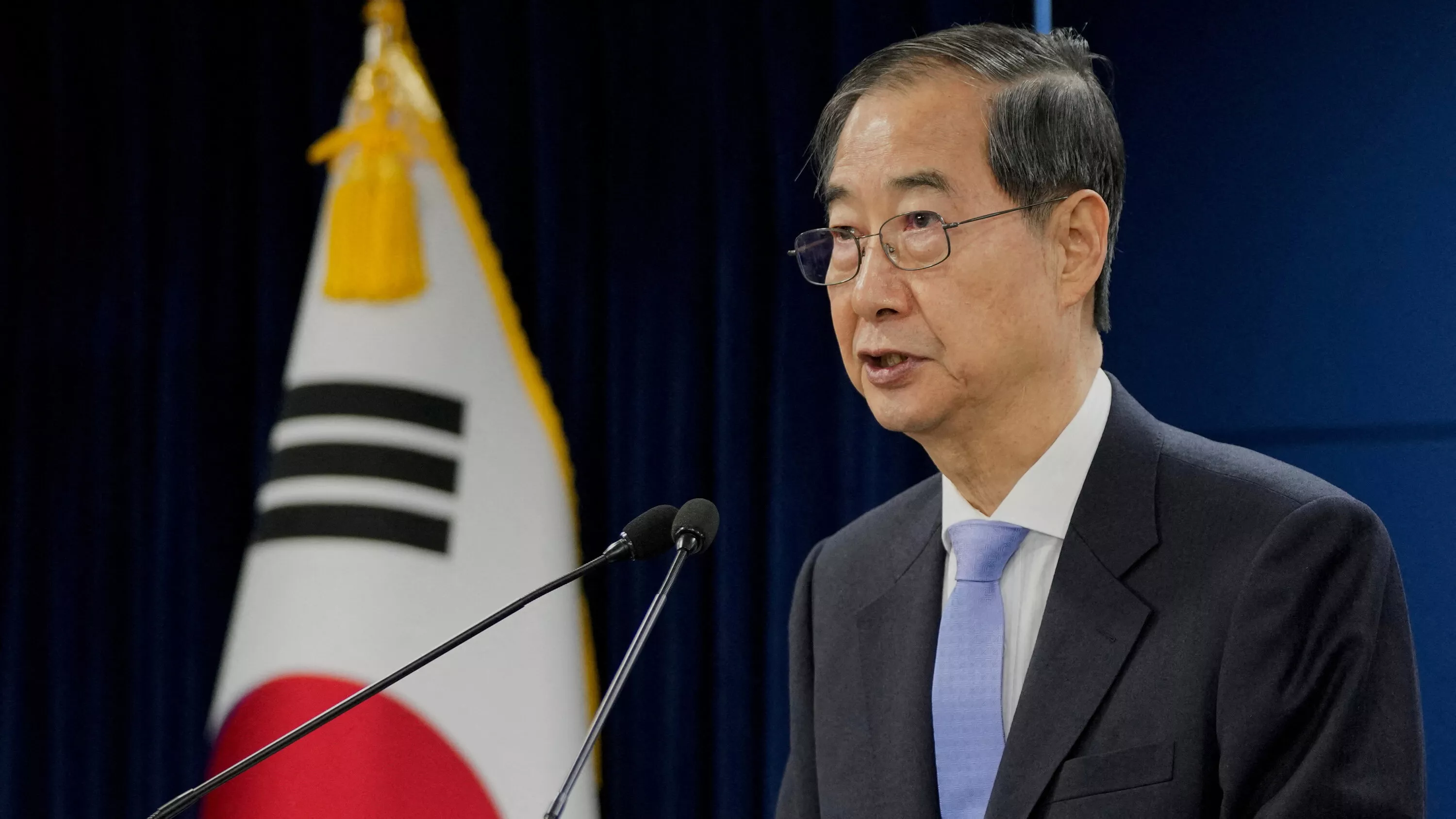
South Korea's New President Embraces Crypto Reform Amid Legal Storm
President Lee Jae-myung promises crypto integration in South Korea as he faces multiple legal trials.
South Korea’s newly inaugurated President Lee Jae-myung enters office with a bold mandate to institutionalize digital assets, positioning the country as a global crypto hub. Yet his reformist agenda is shadowed by a swirl of legal controversies that threaten to undermine his leadership.
Lee, a left-leaning populist with roots in the labor movement, has pledged to advance a slate of crypto reforms, including the long-anticipated Digital Asset Basic Act (DABA). The act aims to establish a self-regulatory framework, legalize stablecoins, and allow spot crypto ETFs—initiatives left unrealized by his conservative predecessor, Yoon Suk Yeol, who was impeached earlier this year.
Despite omitting direct references to crypto in his June 4 inauguration speech, Lee’s campaign promises and the Democratic Party’s active Digital Asset Committee signal a clear policy direction. Lawmaker Min Byoung-dug, who chairs the committee, recently reaffirmed efforts to pass DABA through the National Assembly, asserting that crypto innovation must come from the private sector, with government support ensuring regulatory clarity.
Perhaps most notable is Lee’s push for a won-based stablecoin—a centralized, fiat-backed asset designed to avoid the pitfalls of previous South Korean crypto failures such as Terra. This proposal aims to integrate digital currency into Korea’s financial ecosystem while bolstering its soft power abroad through K-culture-backed promotion in Southeast Asia.
Lee’s platform also includes easing restrictions on crypto exchanges, allowing pension funds to invest in digital assets, and revising monopolistic banking policies. These measures suggest a broad vision: integrating blockchain technology across sectors while providing legal frameworks that support startups and institutional players alike.
Yet these ambitions are clouded by Lee’s ongoing legal battles. He faces five major cases, including election law violations, corruption, misuse of public funds, illicit transfers to North Korea, and subornation of perjury. His first court date is set for June 18, just weeks after assuming office. This legal uncertainty is compounded by debates over constitutional protections for sitting presidents, making his tenure a test case for legal immunity in South Korea.
Lee’s policy toward North Korea also marks a departure from the previous hardline stance. He has signaled a return to diplomacy while maintaining key alliances with the U.S. and Japan—an effort to stabilize regional dynamics while containing North Korea’s aggressive crypto tactics.
In one of the world’s most active retail crypto markets, Lee’s presidency could usher in an era of regulatory sophistication and technological innovation. But whether his legal entanglements will allow him to deliver on this vision remains to be seen.