Solana Co-Founder Provokes Backlash After Labeling NFTs and Memecoins as "Digital Slop"
Solana's co-founder sparks controversy by denouncing NFTs and memecoins as valueless, igniting fierce debate in the crypto community.
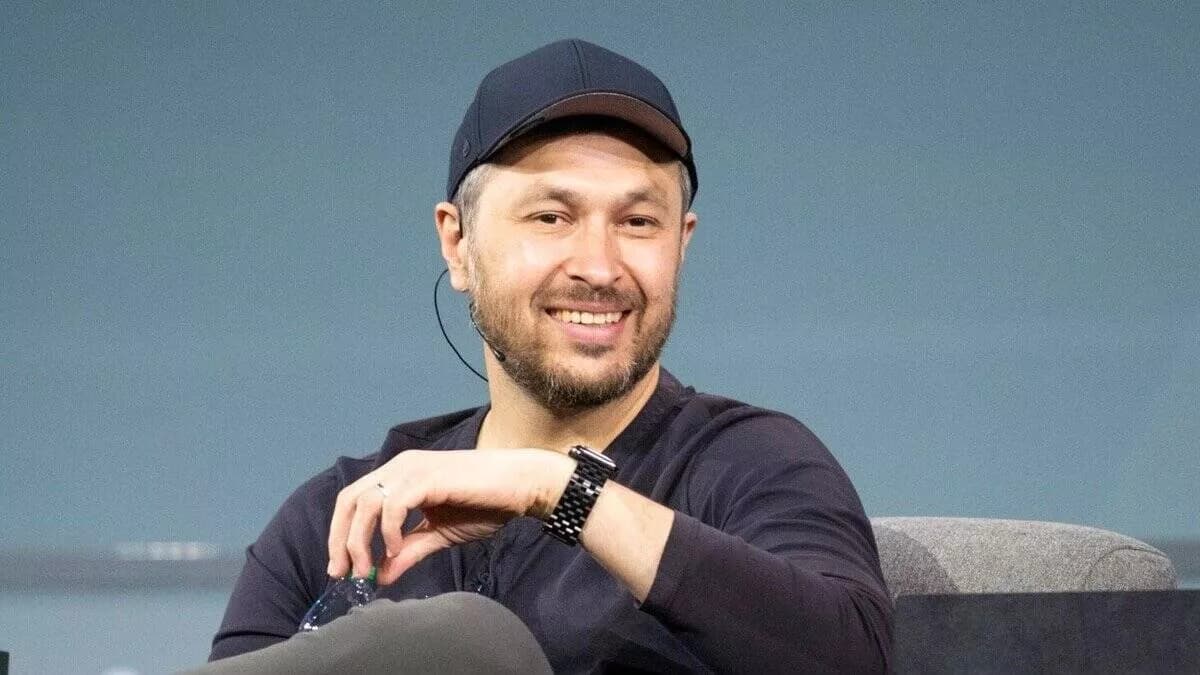
Solana co-founder Anatoly Yakovenko has drawn intense criticism after publicly disparaging memecoins and non-fungible tokens (NFTs), dismissing them as "digital slop" with no intrinsic value. His remarks, shared via a series of posts on X (formerly Twitter), have ignited a broader debate over the legitimacy and future of these widely traded digital assets.
Yakovenko compared NFTs and memecoins to loot boxes in mobile games—virtual rewards often criticized for encouraging compulsive spending without guaranteed returns. "I've said this for years. Memecoins and NFTs are digital slop and have no intrinsic value," he asserted. He further contextualized his analogy by noting that consumers spend approximately $150 billion annually on mobile gaming, much of which flows through in-app purchase systems like Apple’s loot boxes.
The comments emerged during an online discussion with Jesse Pollak, creator of the Base blockchain, about whether such digital assets possess any fundamental worth. While Yakovenko acknowledged that memecoins helped fuel Solana’s explosive growth, he insisted this popularity does not translate into inherent value. "Just because a person is willing to pay X for something doesn’t give that thing any fundamental value. It just gives it a price," he argued.
Critics were quick to respond. Influential crypto voice Karbon noted the contradiction between Yakovenko's rhetoric and his blockchain's memecoin-driven rise. "I find Toly’s approach much more distasteful," he said. "Actively promoting them constantly while believing they’re worthless."
Others echoed the sentiment. Adam Hollander, CMO of NFT marketplace OpenSea, labeled the statement "disappointing" and fundamentally flawed. "The concept of provable transparent digital ownership isn’t going anywhere. And absolutely has intrinsic value," he responded.
Despite the backlash, Solana continues to thrive. With a market capitalization exceeding $100 billion, it ranks sixth among global cryptocurrencies. Notably, its decentralized exchanges have occasionally outperformed Ethereum in transaction volume—a feat largely attributed to the surge of interest in memecoins.
As one user on X quipped: "If Solana had stuck to being an Ethereum clone with slightly faster blocks and zero community energy, it’d be Cardano. The reason Solana isn’t Cardano is because of the loot boxes, not in spite of them."
Yakovenko’s polarizing stance has rekindled a central tension in crypto: the clash between perceived value and market demand. While some view NFTs and memecoins as speculative fluff, others champion them as cornerstones of Web3's evolving digital culture.