Singapore Closes Historic Money Laundering Case with Sweeping Fines for Global Banks
Nine banks fined $21.5M in Singapore’s largest money laundering probe; crypto and real estate assets seized.
Singapore has concluded a landmark financial investigation with penalties totaling $21.5 million imposed on nine major financial institutions, including UBS and Citigroup. The probe, which began in 2023, uncovered widespread lapses in anti-money laundering (AML) controls linked to a sprawling $2.2 billion laundering scheme—one of the largest in the nation’s history.
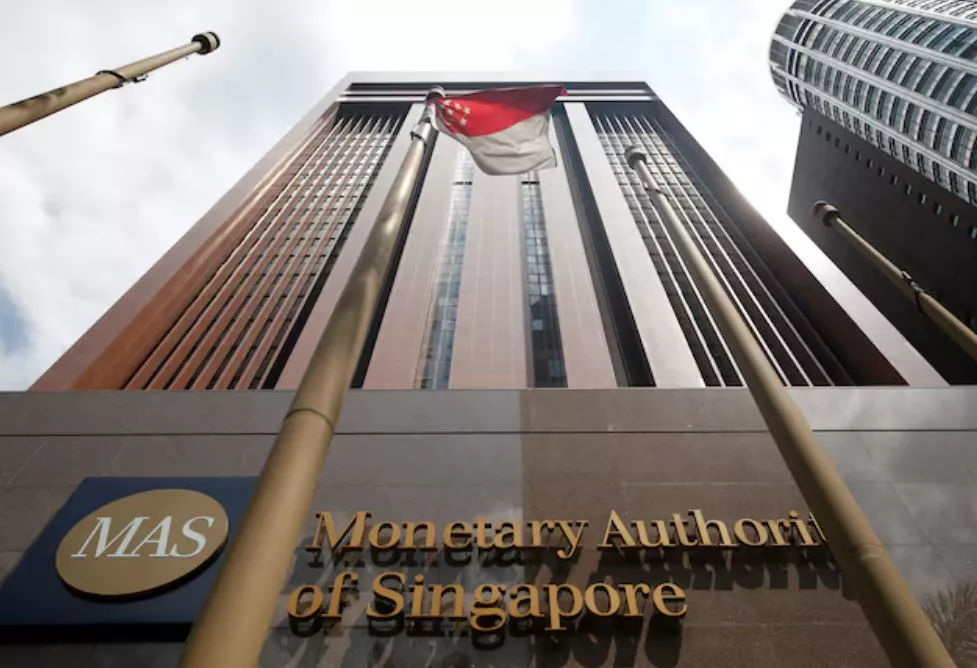
The Monetary Authority of Singapore (MAS) announced that Credit Suisse’s local operations, now under UBS following the bank’s acquisition, received the heaviest fine: S$5.8 million. Citigroup’s Singapore branch and other local and international banks were also penalized for failing to detect and prevent illicit financial activity tied to the case.
The two-year investigation centered around a criminal network of Chinese nationals, known informally as the "Fujian gang," who laundered billions through shell companies and complex transactions. The scheme funneled illicit funds into luxury properties, expensive vehicles, designer goods, and cryptocurrency holdings.
Authorities seized an extensive portfolio of assets, including multimillion-dollar condominiums, luxury watches, and digital currencies. Ten individuals were convicted in connection with the operation, while two former bankers are facing ongoing legal proceedings for their roles in enabling the transactions.
MAS emphasized that while financial institutions had in place some AML frameworks, their implementation was deficient. The regulator said it would closely monitor the remedial measures now being undertaken by the sanctioned firms to strengthen compliance and restore trust.
“This case highlights serious institutional vulnerabilities and the need for tighter controls,” MAS noted. “We are committed to maintaining Singapore’s reputation as a trusted global financial center.”
The scandal has reverberated through Asia’s financial community, raising questions about regulatory enforcement and the ability of global banks to monitor increasingly sophisticated laundering networks—particularly those involving crypto assets.
As Singapore reasserts its role as a financial hub with rigorous compliance expectations, the case stands as both a warning and a precedent. Going forward, institutions will be under closer scrutiny, and regulators appear poised to act swiftly against any sign of AML negligence.