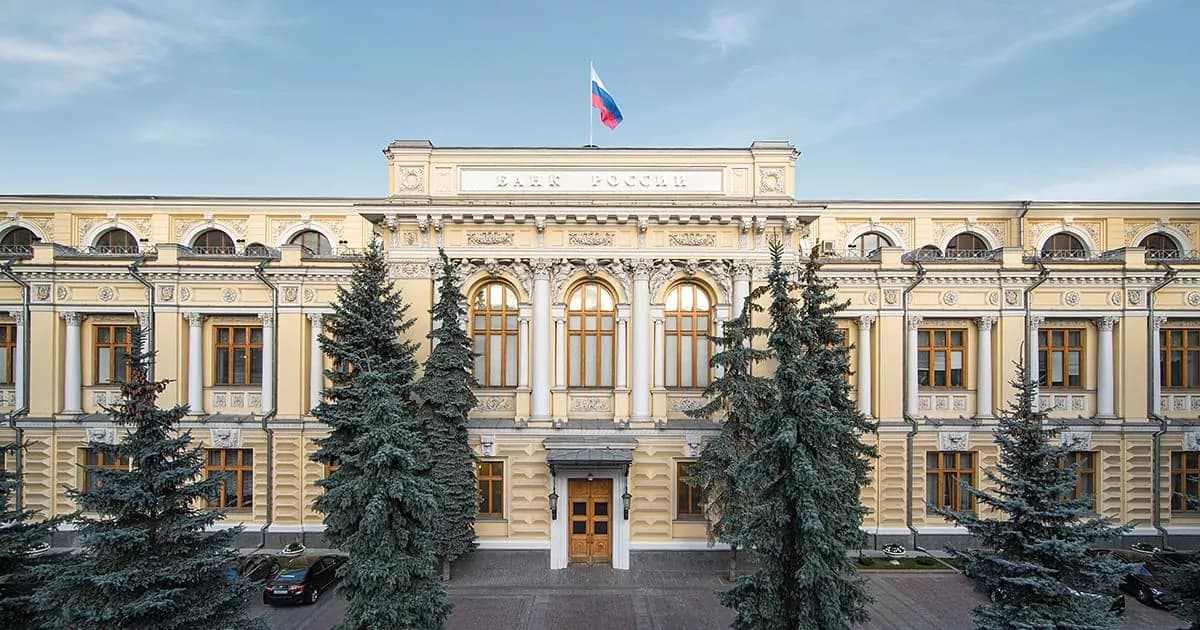
Russia’s Central Bank Moves Toward Institutional Crypto Integration Under Tight Supervision
Russia’s central bank allows select banks into crypto under strict regulation, signaling cautious digital integration.
Russia’s Central Bank (CBR) has taken a decisive yet cautious step toward embracing digital finance, authorizing a limited number of commercial banks to engage in crypto-related operations under rigorous regulatory oversight. The move represents a gradual pivot from the country’s historically restrictive stance toward cryptocurrencies and signals an evolving effort to integrate blockchain technology into the national financial framework—without compromising macroeconomic stability.
According to reports from the local outletBits, only banks that meet stringent operational, legal, and financial risk management standards will be approved to offer crypto services. The CBR emphasized that such activities must remain secondary to each institution’s core banking functions, thereby minimizing exposure to crypto market volatility. In essence, this initiative seeks to reconcile innovation with prudence.
Officials from the central bank described the plan as a “measured experiment” aimed at balancing digital advancement with systemic security. The permitted activities are expected to include the management of digital financial assets, crypto-linked investment offerings tailored to sophisticated investors, and regulated custody or settlement services. However, retail trading and speculative crypto activities will remain strictly prohibited—reflecting the regulator’s enduring concern about the risks of widespread, unregulated participation.
To guide this transition, the CBR is working closely with leading financial institutions to draft a comprehensive regulatory framework. The forthcoming legislation will outline capital adequacy requirements, risk controls, and detailed reporting obligations for approved participants. Insiders suggest that a pilot phase could begin within months, potentially involving major state-backed banks such as Sberbank and VTB, both of which have already tested blockchain-based solutions in limited contexts.
This policy shift underscores a broader evolution in Russia’s approach to digital assets. After years of skepticism and bans on crypto payments, Russian citizens have continued to engage with digital currencies, conducting an estimated tens of billions of dollars in annual crypto transactions. Recognizing this persistent activity, the authorities now appear intent on establishing a structured and supervised channel through which digital finance can coexist with traditional systems.
The CBR’s upcoming three-year pilot program, slated for launch in March 2025, will allow select investors to trade cryptocurrencies under monitored conditions. While crypto payments will remain illegal, the program could pave the way for a new hybrid model—one that integrates blockchain technology within the boundaries of state control.
Still, the CBR maintains a conservative outlook. Officials have reiterated that comprehensive safeguards for investors, depositors, and financial institutions must be established before any widespread legalization occurs. Yet, this limited approval marks a symbolic breakthrough: Russia’s financial establishment is finally acknowledging that digital assets are no longer a peripheral experiment, but an inevitable component of the global financial future.