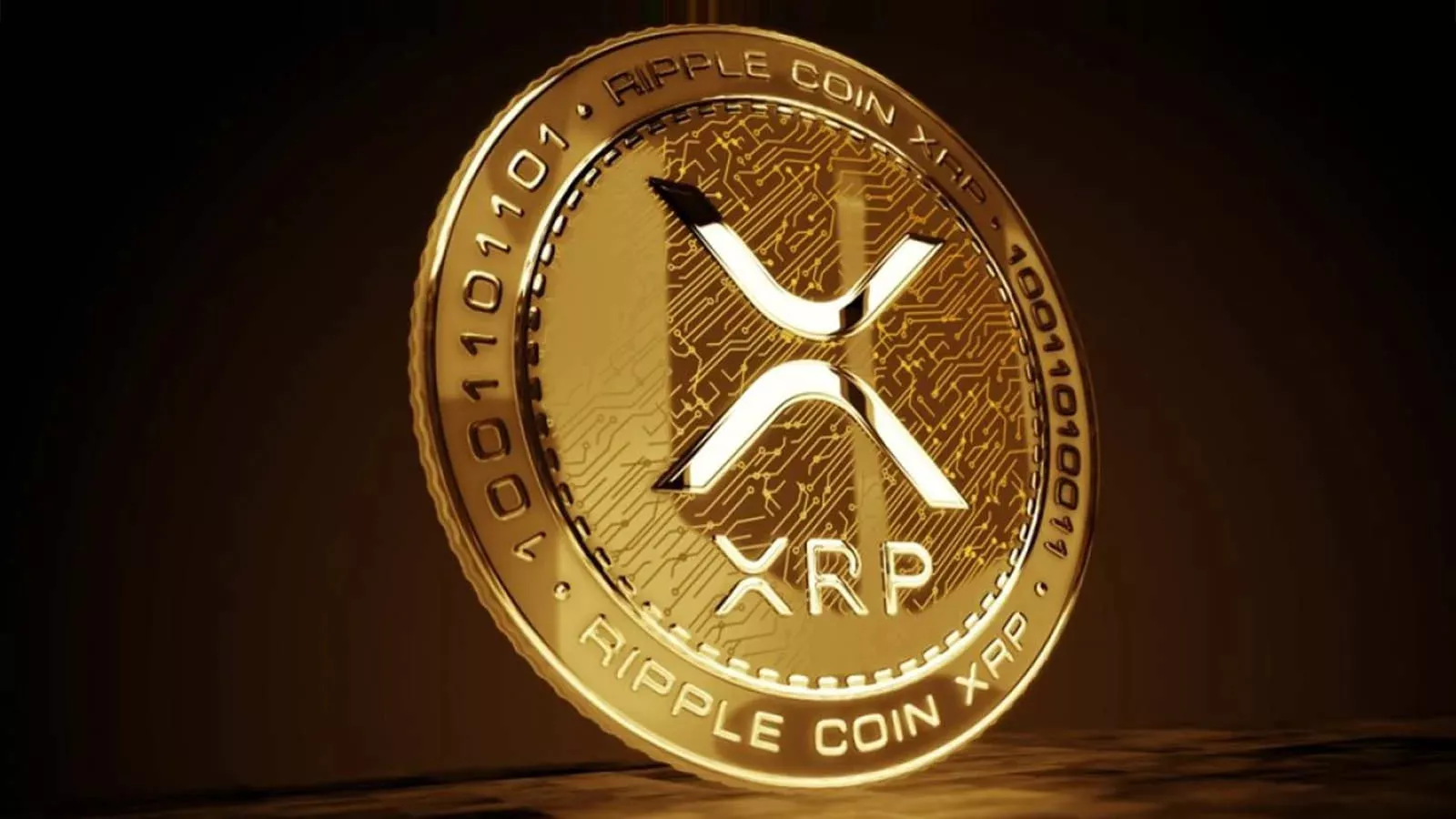
Ripple Positions XRP as Cornerstone of Next-Generation Payment Systems
Ripple pushes XRP into mainstream finance, aligning with global banks, UN goals, and ISO 20022 standards for cross-border payments.
Ripple, the blockchain company behind the cryptocurrency XRP, has steadily built its reputation as a bridge between digital assets and traditional finance. Over the past decade, the firm has pursued a strategy that now positions XRP as a potential cornerstone of global payment modernization.
Ripple’s involvement in financial innovation dates back to 2013, when the U.S. Federal Reserve began exploring faster payment systems. By 2015, Ripple was participating in a federal payments task force, signaling its early recognition by regulators and banks as a player in the future of money.
Momentum grew in 2014 when the World Bank and the Better Than Cash Alliance—whose members include the Gates Foundation, the Clinton Global Initiative, and over 30 national governments—released the reportOpportunities of Digitizing Payments. A year later, Ripple became the only cryptocurrency-focused company featured on the Alliance’s website, highlighting its role in linking public institutions with emerging financial technologies.
Ripple has also aligned itself with global development goals, particularly the United Nations’ 2030 Sustainable Development Agenda. The company’s technology has been integrated into sustainability-focused platforms, including initiatives designed to support carbon credit markets. This illustrates XRP’s potential applications beyond speculative trading, extending into areas such as environmental finance and cross-border resource allocation.
On the technical side, Ripple has been a pioneer in advancing standards for international payments. It was the first blockchain-focused company to join ISO 20022, a financial messaging standard that becomes mandatory for banks and payment providers in 2025. Coupled with partnerships with more than 300 financial institutions—including Santander, HSBC, American Express, and Bank of America—this positions Ripple as a company actively embedding XRP into global financial infrastructure.
Ripple’s leadership team further underscores its institutional credibility. Its executives include former officials from the U.S. Treasury, Federal Reserve, and SEC, as well as senior figures from SWIFT, Amazon, and PayPal. This blend of experience allows Ripple to navigate both the compliance-driven world of traditional banking and the fast-moving domain of digital assets.
Beyond individual partnerships, Ripple maintains affiliations with international initiatives such as the Digital Pound Foundation, Digital Dollar Project, Digital Euro Association, the IMF’s fintech advisory board, and the Faster Payments Council. Collectively, these connections indicate a strategic effort to align XRP with the frameworks shaping the future of global finance.
Whether XRP becomes a central pillar of mainstream payments remains to be seen. However, Ripple’s approach—combining institutional integration, regulatory engagement, and alignment with sustainability objectives—has given the company a level of legitimacy and influence rare among blockchain projects.
For advocates of digital transformation, Ripple’s trajectory suggests that XRP is not merely another cryptocurrency but a candidate to play a foundational role in how money moves across borders in the coming decades.