Pokémon Cards Enter the Blockchain Era as Tokenized Collectibles Redefine Trading
Tokenized Pokémon cards drive a $360M boom, reshaping trading with blockchain liquidity and fueling RWA growth.
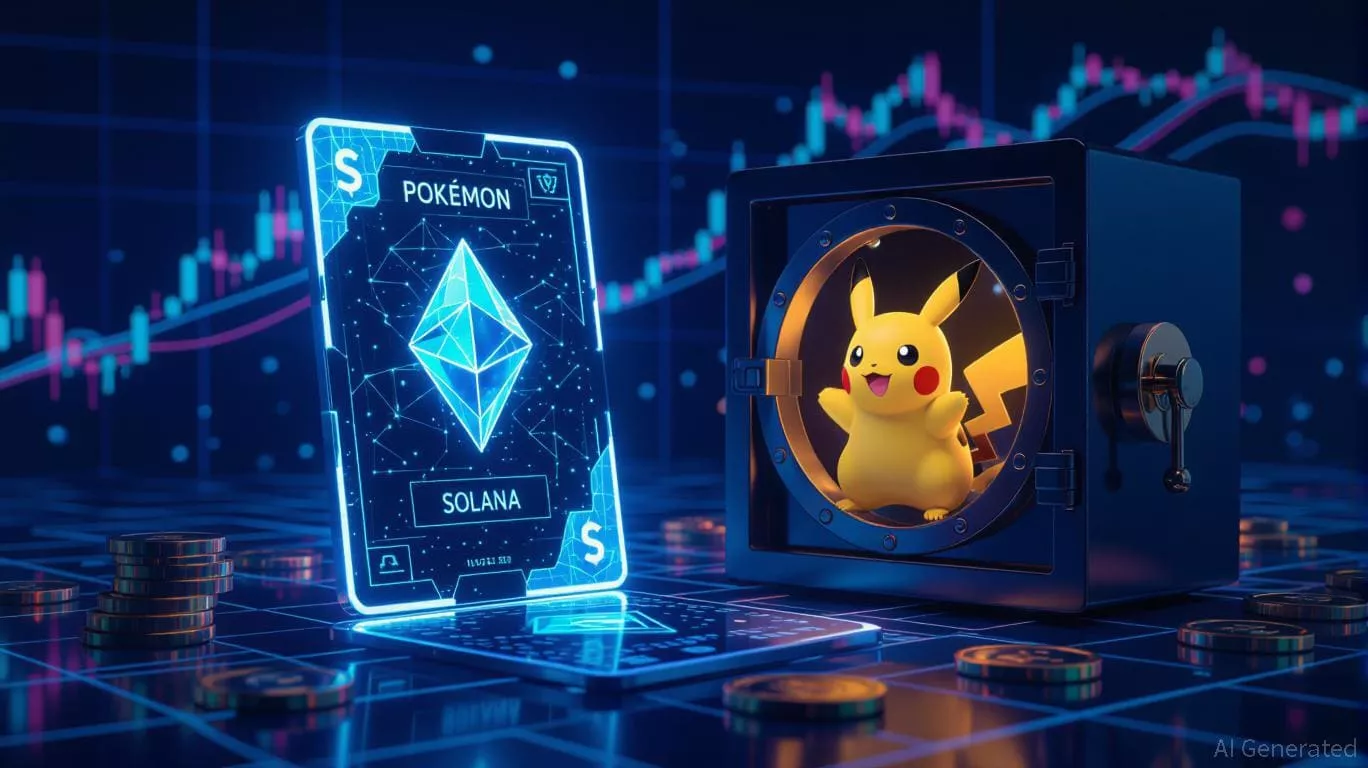
The trading card market, long dominated by physical exchanges and in-person verification, is undergoing a rapid digital transformation. Tokenized Pokémon cards, once a niche experiment, are now fueling a booming sector in real-world asset (RWA) tokenization. Collector Crypt, a startup at the forefront of this shift, has emerged as the market leader, igniting both investor enthusiasm and community debate.
In less than a week, Collector Crypt’s native CARDS token surged tenfold, reaching a fully diluted valuation of $360 million. The token’s price reflects an estimated $38 million in annualized revenue, largely driven by the platform’s “Gacha machine,” a digital feature dispensing randomized card packs. According to company reports, this product alone generated $16.6 million in sales over seven days, underscoring the intensity of demand.
The broader trading card RWA market has mirrored this momentum. Data from CoinGecko indicates the sector reached an $87.2 million market capitalization this week, growing 32% in just 24 hours. Collector Crypt registered $44 million in trading volume in August, marking a 124% increase month-over-month. Its rival, Phygitals, posted smaller but rapid growth, with $2 million in volume, up 245%.
Industry analysts see clear parallels with previous crypto turning points. Danny Nelson, research analyst at Bitwise Asset Management, compared the surge to the breakout moment of prediction markets: “Pokémon and other TCGs are about to have their ‘Polymarket moment,’” he observed on X.
Collector Crypt’s value proposition lies in solving inefficiencies in a multi-billion-dollar trading ecosystem. Despite its size, most Pokémon card deals still rely on shipping physical items and third-party condition checks. By leveraging Solana’s blockchain, Collector Crypt enables instant trades, NFT-backed custody, and global liquidity. The Solana Foundation highlighted this shift, showcasing the seamless transfer of a PSA 10 Charizard as evidence of structural change.
Underlying fundamentals strengthen the case. The Pokémon Company printed 9.7 billion cards in fiscal 2024, nearly tripling production levels of two years prior. This single year accounted for nearly one-fifth of all Pokémon cards ever created, fueling liquidity in both physical and tokenized markets. On-chain data confirms rising activity: Raydium Protocol reported $70 million in tokenized pack sales, including a single-day record of $5 million.
Startups beyond Collector Crypt are also capitalizing on the trend. Courtyard.io, a Polygon-based platform, recently raised $37 million in funding led by Y Combinator and ParaFi Capital. The company issues NFTs tied to physical cards secured by Brink’s, blending blockchain assets with tangible redemption rights.
Skeptics warn that the boom carries risks. Liquidity fragmentation, speculative hype, and competition from established platforms such as eBay and PSA remain serious challenges. As one veteran collector cautioned, “Sooner or later, this may not end well for both sides — whether you’re a crypto native or a pure Pokémon collector.”
Yet, advocates insist that tokenization opens doors for financial utilities, from collateralized lending to global trading without friction. For blockchain evangelists, the message is clear: the world of collectibles is joining the digital rails of finance. As the Solana Foundation put it, “The future will be tokenized.”