MEV Protection Layers: From Flashbots to SUAVE
MEV protection layers are reshaping blockchain fairness—from Flashbots to SUAVE, discover how networks are mitigating extraction risks.
Overview
Maximal Extractable Value (MEV) refers to the profit a blockchain participant (usually a block proposer or validator) can extract by reordering, including, or excluding transactions within a block. Originally discovered on Ethereum, MEV became notorious for enabling practices like front-running and sandwich attacks—techniques that erode fairness and degrade user experience in DeFi.
To counter these issues, the ecosystem has begun designing specialized protection layers that restructure how blocks are built and how transactions are ordered. From centralized relays to decentralized execution environments, MEV mitigation is becoming a priority for networks seeking both integrity and efficiency.
/p>p>
Evolutionbr>MEV gained prominence around 2020 as arbitrage bots flooded Ethereum’s mempool. Early mitigation attempts, like Flashbots Auction (a private relay system), created transparency around MEV while enabling block builders to compete in a fairer market.
Ethereum’s 2022 Merge made Proposer-Builder Separation (PBS) viable by decoupling block proposal from construction. This opened the door to future protocol-level solutions. As research progressed, designs like enshrined PBS, MEV-Boost, and SUAVE (Single Unifying Auction for Value Expression) emerged.
Other chains like Osmosis and Skip Protocol on Cosmos also integrated MEV-aware tooling natively into their consensus and transaction pipelines.
/p>p>
Examples
/p>p>
Key Features & Use Cases
/p>p>
Pros & Consbr>Pros:
Cons:
/p>p>
Market Sentimentbr>The Web3 community is increasingly aware of MEV’s systemic risks. While Flashbots and MEV-Boost are considered valuable stopgaps, there’s growing demand for native, trustless, and decentralized solutions like SUAVE. Investors, developers, and governance bodies now view MEV management as critical infrastructure—comparable to consensus or settlement layers.
However, concerns remain about fragmentation and coordination, especially as more chains implement their own MEV mitigation strategies.
/p>p>
Conclusionbr>MEV is both an opportunity and a vulnerability in modern blockchains. As the space matures, protection layers are evolving from off-chain band-aids to protocol-native infrastructure. From Ethereum’s PBS to cross-chain solutions like SUAVE and Skip, the future of MEV management lies in striking a balance between profit, fairness, and decentralization.
/p>p>
By Alejandro Silva Ramírez, Crypto Analyst & Columnist
- Flashbots Auction: An off-chain relay that lets searchers submit bundles directly to block builders. It helped reveal the scale of MEV and was widely adopted on Ethereum post-Merge.
- MEV-Boost: Built on PBS principles, it allows validators to outsource block building to external parties while selecting the most profitable, censorship-resistant blocks.
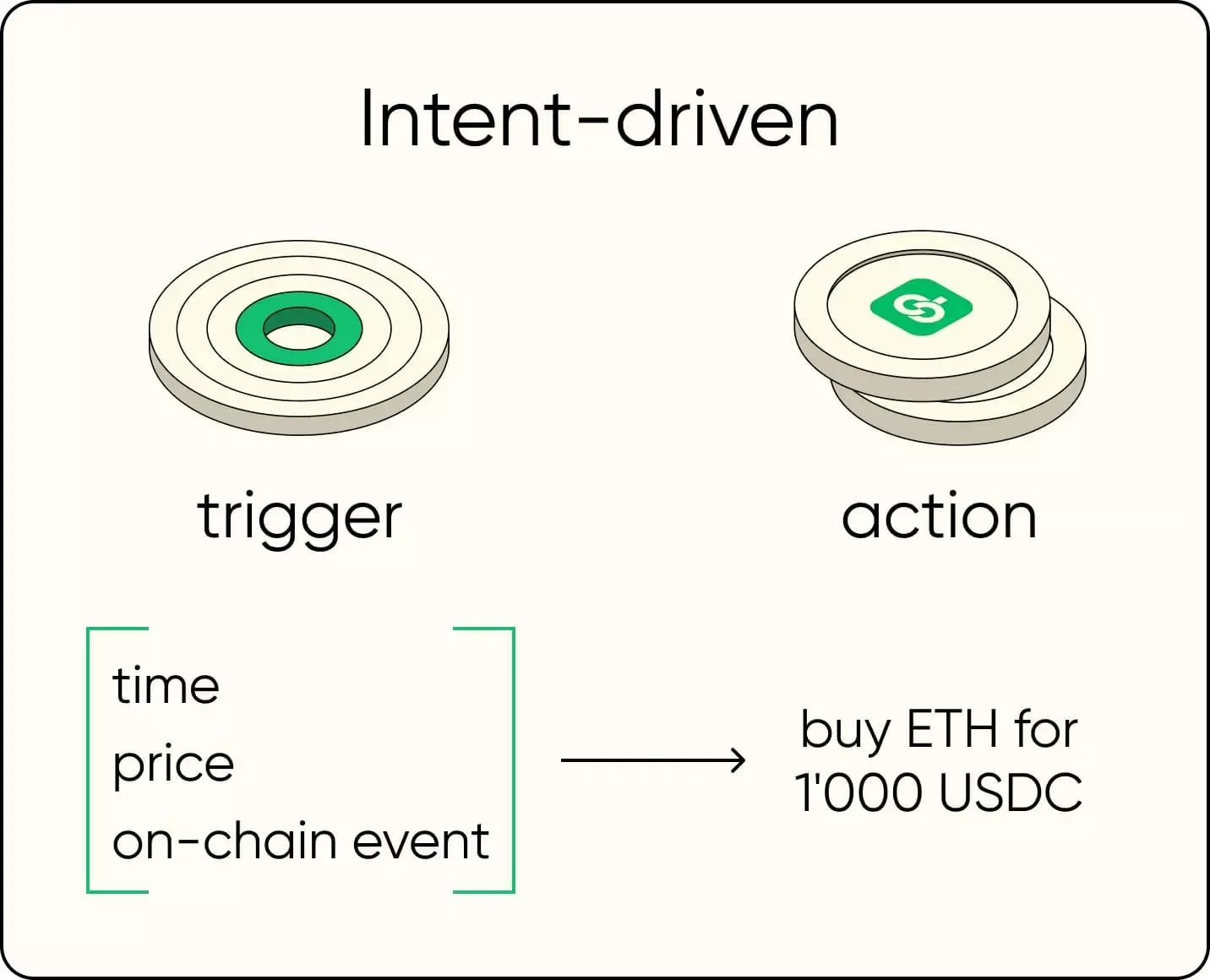
- SUAVE: A proposed decentralized execution layer by Flashbots, designed to unify searcher logic, auctions, and block building across chains with privacy by default.
- Skip Protocol: A Cosmos-native MEV infrastructure provider enabling block-space auctions with native chain integration and validator incentives.
- Auction-Based Block Building: Reduces predatory MEV extraction by encouraging competitive, transparent transaction ordering.
- Privacy for Transactions: Protects user trades via encrypted mempools or private order flow.
- Validator Incentives: Offers alternative income sources to staking rewards by sharing builder profits.
- Cross-Chain MEV Mitigation: Emerging tools like SUAVE aim to address MEV across multiple networks.
- Protects DeFi users from frontrunning and value extraction.
- Aligns validator incentives with user protection.
- Encourages decentralization of block construction.
- Some solutions reintroduce centralization (e.g., relays).
- Increases protocol complexity and operational risk.
- Not yet widely adopted outside Ethereum and Cosmos ecosystems.