Malaysia Sounds the Alarm After $1.1 Billion Power Theft Scandal Exposes the Hidden Cost of Illegal Crypto Mining
Malaysia uncovers $1.1B in electricity theft tied to illegal crypto mining, prompting tighter monitoring and enforcement.
Malaysia has uncovered a massive electricity theft scheme tied to illegal crypto mining, revealing more than $1.1 billion in losses over the past five years. The country’s national utility, Tenaga Nasional Berhad, identified 13,827 locations that siphoned power to run unlicensed digital asset mining facilities between 2020 and August 2025. The revelation marks one of the largest documented cases of power theft linked to cryptocurrency production anywhere in the world and underscores a growing threat to Malaysia’s electric grid, public safety, and economic stability.
The findings were disclosed in a parliamentary filing, where the energy ministry described the illicit activity as a systemic challenge that has undermined the national supply network and placed significant pressure on operating costs. Authorities highlighted that the nearly five thousand ringgit in losses—equivalent to approximately $1.1 billion—occurred despite repeated crackdowns targeting unauthorized mining operations.
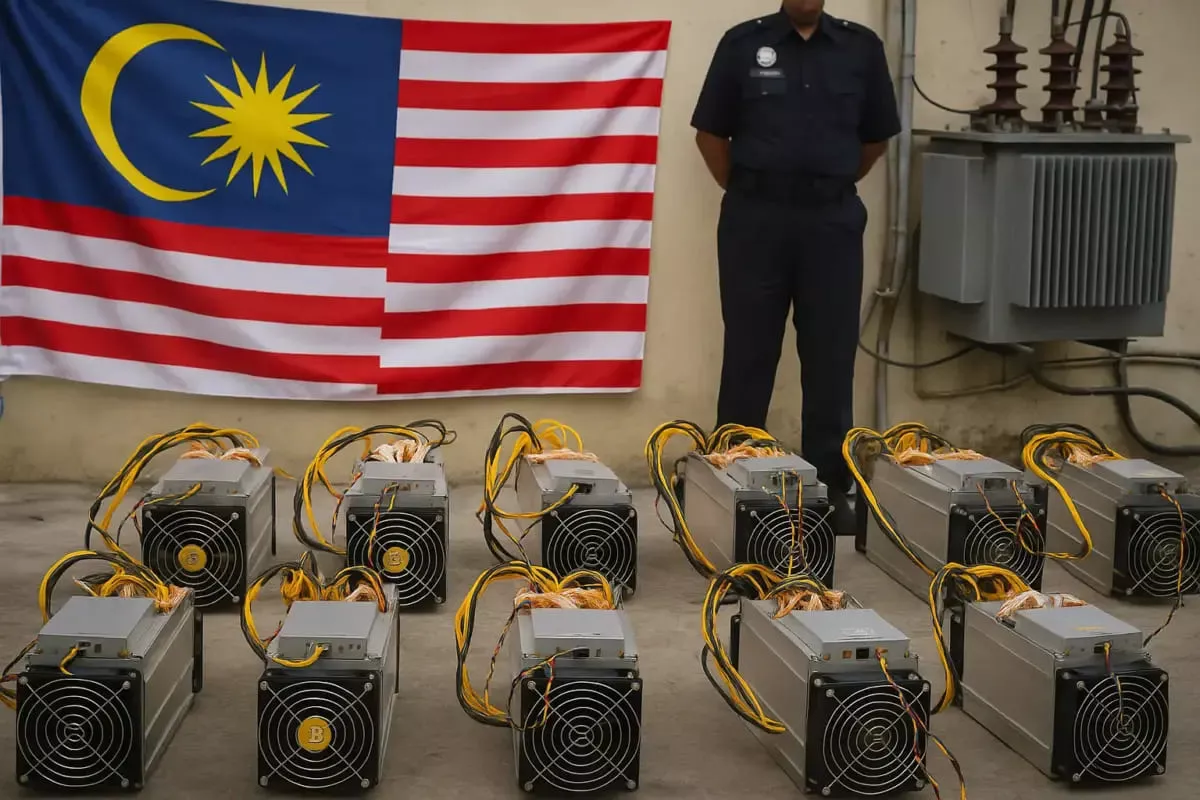
Malaysia has grappled with this issue since 2018, when rising electricity consumption from crypto miners began distorting local grids and increasing strain on state resources. In one high-profile enforcement action in 2024, authorities destroyed more than 900 seized Bitcoin mining machines valued at nearly two million ringgit, illustrating the scale of unregistered operations exploiting subsidized power. The ministry emphasized that these activities pose risks not only to infrastructure but also to communities, as illegal miners often bypass electrical safety standards, increasing the likelihood of fires and transformer failures.
To strengthen oversight, TNB has developed an internal database of property owners and tenants suspected of engaging in electricity theft. The database is intended to serve as a reference tool for identifying suspicious premises and supporting targeted inspections. According to the ministry’s translated document, this system now forms a core part of enforcement procedures, enabling authorities to detect patterns across regions and coordinate intervention efforts more efficiently.
On the technical side, Malaysia has begun deploying smart meters and running a Distribution Transformer Meter pilot program to improve real-time monitoring of energy flows across substations. These initiatives are designed to flag irregular consumption spikes and uncover unauthorized usage—especially in areas where miners have historically tampered with power lines to avoid detection. The 13,827 compromised premises reflect the scope of the problem and highlight the need for broader integration of automated monitoring technologies.
Officials warn that illegal mining operations continue to evolve, adopting more sophisticated methods to mask electricity use and evade regulatory scrutiny. As global crypto activity fluctuates with market cycles, Malaysia’s abundant energy resources remain an attractive target for unauthorized miners seeking low-cost power. The country’s challenge now lies in balancing the need for technological innovation with strong regulatory safeguards to protect critical infrastructure.
With losses surpassing the billion-dollar mark, Malaysia’s crackdown is expected to intensify as authorities aim to prevent further grid disruption and reclaim stolen revenue. The fight against illicit crypto mining has become not just an energy issue, but a national security concern shaping the future of the country’s digital asset landscape.