India's Digital Rupee Pushes Forward: RBI Expands CBDC Pilot Amid Global Ambitions
RBI scales up CBDC pilot with 6M users and eyes cross-border digital rupee use. India reinforces digital finance leadership.
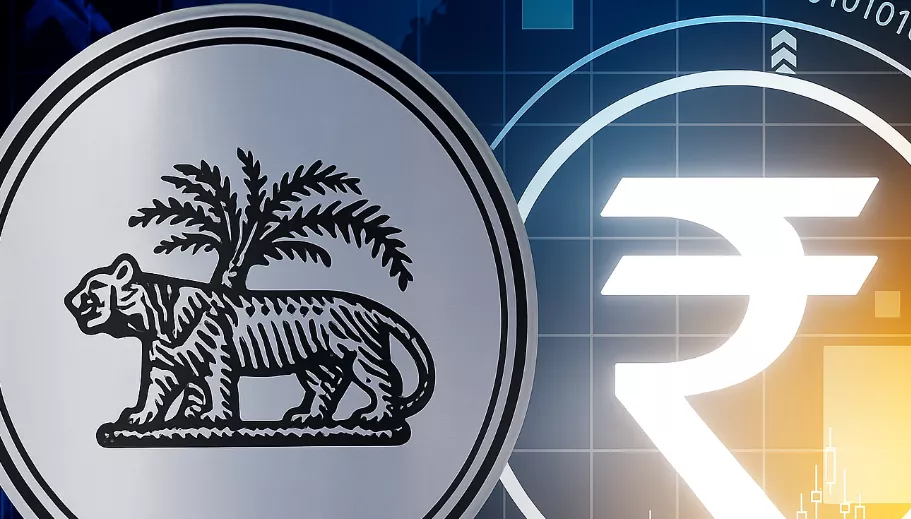
India is taking decisive steps to solidify its position as a leader in digital finance with the expansion of its Central Bank Digital Currency (CBDC) pilot program. According to the Reserve Bank of India's 2024–2025 annual report, the pilot is growing in both retail and wholesale segments, with over 6 million users and 17 major banks now participating.
The move demonstrates the RBI's strategic commitment to modernizing the nation’s financial infrastructure through digital innovation. A significant development includes the introduction of new features for the e-rupee, such as enhanced account aggregation and programmable payments, which are expected to improve transparency and elevate customer experience.
In collaboration with fintech platforms like MobiKwik and CRED, the RBI has enabled users to transact with digital rupees via wallets fully integrated with the Unified Payments Interface (UPI). MobiKwik’s e-rupee wallet, launched in partnership with YES Bank in January 2025, now allows transactions capped at ₹50,000 per day and ₹10,000 per individual transfer — with denominations ranging from 50 paise to 500 rupees.
CRED has also embraced the CBDC initiative, offering integration with CRED Pay and planning features such as programmable merchant payments and pinless microtransactions. These innovations underscore India's proactive approach in tailoring digital currency solutions to everyday commerce.
Looking beyond domestic applications, the RBI is preparing for cross-border payment pilots using the digital rupee. These bilateral and multilateral initiatives highlight India’s ambition to influence global digital currency standards and facilitate international settlements using blockchain infrastructure.
Major banks involved in the pilot include ICICI, HDFC, SBI, YES Bank, Kotak Mahindra, and Union Bank of India. Speculation is mounting around UPI app integration into the CBDC framework, a move that could accelerate adoption across India’s vast digital payment ecosystem.
Despite the enthusiasm, challenges persist. Privacy concerns, competition with the already-dominant UPI system, and the rising popularity of cryptocurrencies — with India leading global crypto adoption in 2023 and 2024 — pose hurdles to CBDC scalability. Market projections indicate India's crypto market could reach $15 billion by 2035, potentially diverting interest from centrally managed digital currencies.
Still, the RBI's continued innovation and strategic partnerships reflect a robust commitment to shaping the digital financial future of India. With expanding use cases, technological improvements, and global reach on the horizon, the digital rupee may soon become a cornerstone of both domestic and international finance.