IMF Report Exposes El Salvador's Fabricated Bitcoin Buying Claims
IMF confirms El Salvador made no Bitcoin purchases in 2025, contradicting official claims of daily accumulation.
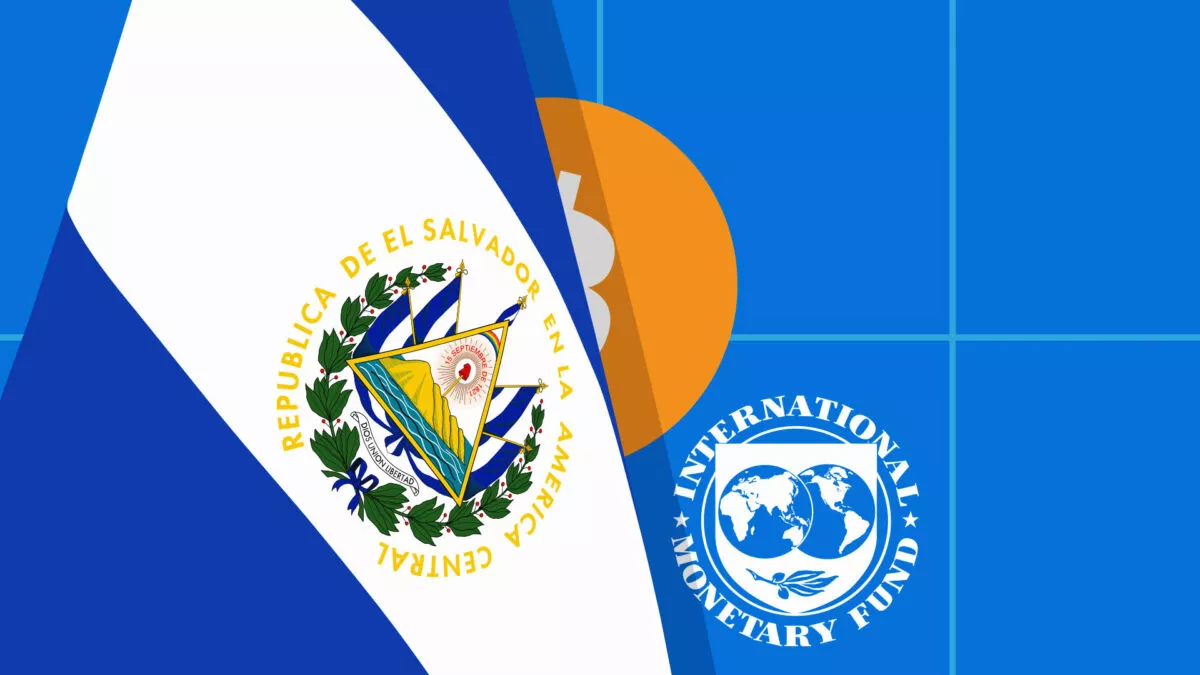
A new report by the International Monetary Fund (IMF) has revealed that the Salvadoran government misled the public about its Bitcoin strategy in 2025. Despite repeated official claims of daily Bitcoin purchases, the IMF confirms that no new acquisitions were made throughout the year.
The report, released on July 15 as part of the IMF’s Article IV consultation and Extended Fund Facility (EFF) review, directly contradicts statements from President Nayib Bukele and the National Bitcoin Office. "The stock of Bitcoin held by the public sector has remained unchanged since program approval," the IMF noted, referring to the $1.4 billion EFF agreement reached in December 2024.
Throughout 2025, Bukele and his administration repeatedly claimed the country was buying "one Bitcoin a day." Government social media channels and Bitcoin-related communications highlighted growing wallet balances and reinforced a narrative of consistent accumulation. In March, Bukele publicly reiterated the continuation of the program, while the Bitcoin Office reported holdings surpassing 6,100 BTC.
However, the IMF revealed that increases in wallet balances stemmed not from market purchases but from internal transfers between government-held wallets. These movements created the illusion of expansion, but no fresh funds were deployed.
the Chivo Wallet—El Salvador’s state-sponsored crypto app—also came under scrutiny. The report cited "minor deviations" in financial criteria due to irregularities within the Chivo system. In response, the government pledged to cease public-sector involvement with Chivo by the end of July and to unwind the Fidebitcoin trust fund.
This marks a significant retreat from El Salvador’s previous crypto ambitions. Having made global headlines in 2021 by adopting Bitcoin as legal tender, the country reversed course in January 2025 amid growing pressure from international lenders and worsening fiscal conditions. The Bitcoin legal tender status was quietly revoked, and the government committed not to use public resources to acquire additional cryptocurrency.
While the IMF acknowledged El Salvador's compliance with fiscal obligations, the discrepancy between public rhetoric and actual behavior raises serious concerns about transparency and political accountability.
As the deadline for Chivo’s privatization approaches, global observers and crypto enthusiasts alike will be watching closely. The revelation underscores the tension between populist crypto narratives and the economic realities of international governance.