IMF Rejects Pakistan’s Crypto Power Subsidy Amid Sovereign Bitcoin Ambitions
IMF blocks Pakistan’s proposal to subsidise power for crypto mining, warning of energy market risks amid sovereign Bitcoin plans.
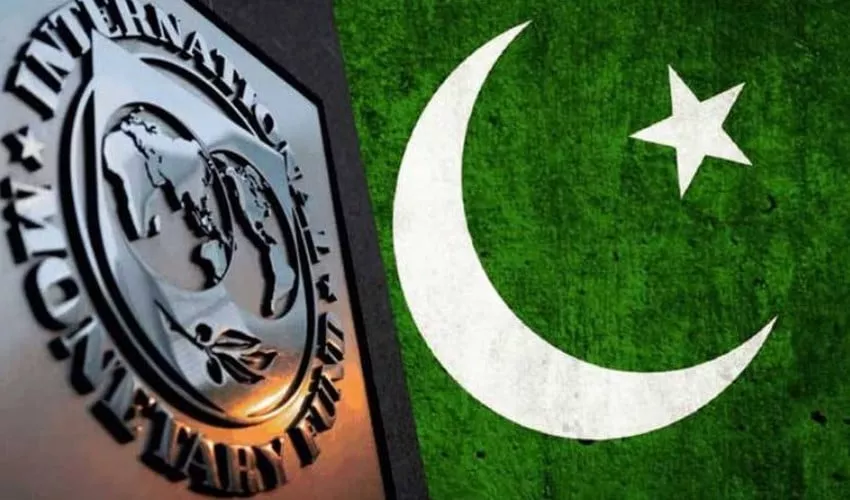
Pakistan’s ambitions to position itself as a digital economy powerhouse have hit a regulatory roadblock. The International Monetary Fund (IMF) has firmly rejected Islamabad’s proposal to subsidise electricity for cryptocurrency mining, raising alarms over the potential destabilisation of the country’s fragile energy sector.
According to Power Secretary Fakhre Alam Irfan, the IMF’s decision came after Pakistan proposed a marginal-cost tariff of 22–23 PKR per kilowatt-hour for energy-intensive industries such as crypto mining, copper smelting, and data centres. The plan, introduced in late 2024, aimed to monetise the country’s surplus generation capacity during off-peak periods while attracting private investment in high-demand sectors.
However, IMF officials pushed back, citing fears that such targeted incentives would exacerbate structural inefficiencies and distort market pricing within the country’s already fragile power infrastructure. The proposed tariff has not been officially withdrawn, but it remains under review by the World Bank and other international stakeholders.
Under its current financing programme, Pakistan must seek IMF clearance for any significant alterations in its energy policy, underscoring the limits of sovereign autonomy in the face of global financial oversight. This is not the first time the IMF has intervened—similar objections were raised in 2024 when Pakistan sought a six-month marginal tariff plan for mining operations, which was eventually curtailed to just three months.
Despite these challenges, Islamabad continues to advance its broader crypto strategy. In May 2025, the country designated 2,000 megawatts of surplus electricity to support Bitcoin mining and AI infrastructure. The government views this as a way to leverage stranded capacity, generate new revenue streams, and position Pakistan as a competitive force in the digital economy.
At the Bitcoin 2025 conference in Las Vegas, State Minister for Blockchain Bilal Bin Saqib unveiled plans for a national Bitcoin wallet to hold sovereign crypto reserves, which would grow through decentralised finance yield strategies. High-profile figures such as Binance co-founder Changpeng Zhao and MicroStrategy’s Michael Saylor are advising the government on blockchain infrastructure and reserve strategy, respectively.
While the IMF remains wary of Pakistan’s targeted subsidies, the country’s leadership continues to pursue an aggressive vision of blockchain integration. From creating a strategic Bitcoin reserve to developing national regulatory frameworks for tokenised finance, Pakistan is staking a bold claim in the emerging global crypto order.