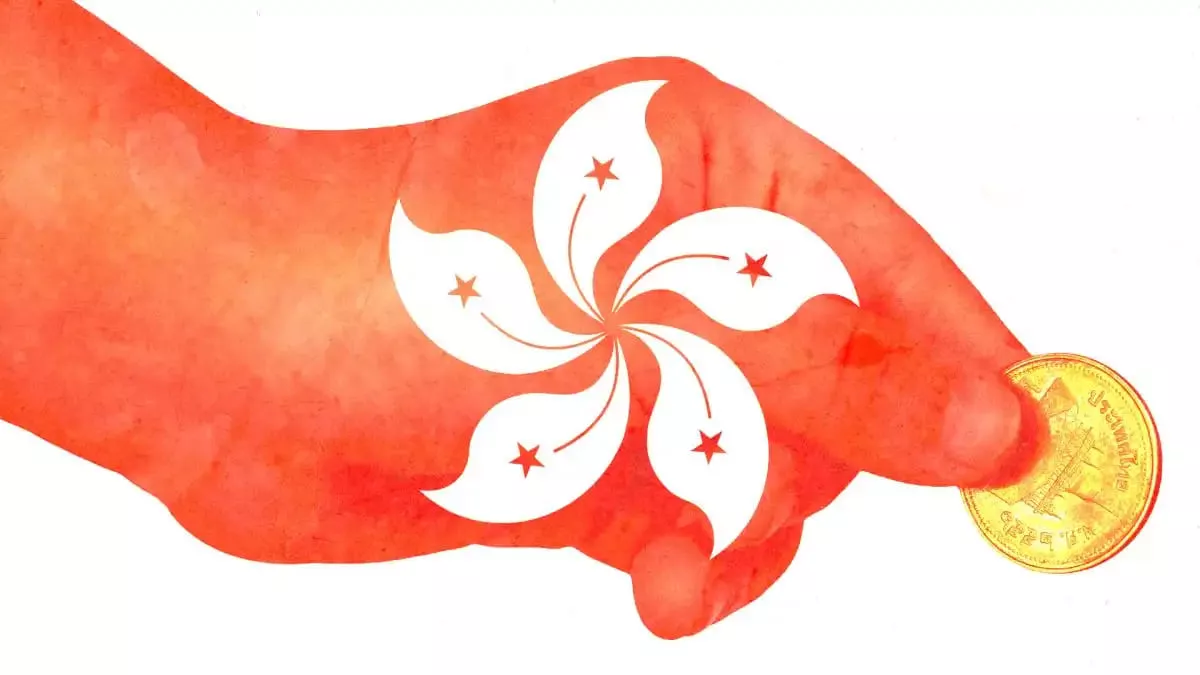
Hong Kong Positions Itself as a Stablecoin Regulatory Pioneer at China-ASEAN Forum
Hong Kong unveils its new stablecoin licensing law at the China-ASEAN Forum, reinforcing its role as a digital finance hub.
Hong Kong is positioning itself at the forefront of digital finance regulation with the formal debut of its new Stablecoin Ordinance at the China-ASEAN Commercial Law Forum on September 18, 2025. The legislation, which passed in August, establishes a comprehensive licensing system for stablecoin issuers, underscoring the city’s intent to balance financial innovation with regulatory safeguards.
Deputy Secretary for Justice Zhang Guojun outlined the key features of the law during his address to forum delegates. He emphasized that the ordinance aims to ensure investor protection while creating a safe environment for innovation. “By improving the regulatory framework for virtual asset activities and effectively managing risks, we are promoting financial innovation,” Guojun said.
The ordinance requires issuers of stablecoins—digital assets pegged to fiat currencies—to comply with strict financial safeguards and risk management practices. Hong Kong’s approach mirrors broader global trends, as jurisdictions from the United States to South Korea accelerate legislation for digital assets. The U.S. GENIUS Act, passed in July, set an international benchmark by mandating full 1-to-1 backing for stablecoins and imposing strict licensing and reporting standards. Several Asian economies, including South Korea, are now adapting similar frameworks.
Beyond digital asset oversight, Hong Kong is embedding tokenization into its mainstream financial system. The Hong Kong Monetary Authority (HKMA) has launchedProject Ensemble, a regulatory sandbox initiative to test tokenized deposits and live tokenized-asset transactions. The project includes regular issuance of tokenized bonds, particularly green bonds, aimed at broadening market participation and enhancing liquidity.
Chief Executive John Lee highlighted these initiatives in his 2025 Policy Address, framing tokenization as a cornerstone of Hong Kong’s financial modernization. Commercial banks are expected to play a pivotal role, integrating tokenized products into their services under HKMA supervision.
Guojun also connected Hong Kong’s financial reforms to the Belt and Road Initiative (BRI), noting that secure and transparent regulatory frameworks are critical to facilitating trade, investment, and infrastructure development across partner economies. “The Belt and Road Initiative has promoted economic development and social progress among many countries,” he remarked, adding that legal stability is vital to sustaining this momentum.
The city’s legal infrastructure is central to its strategy. As China’s only bilingual (Chinese-English) common law system, Hong Kong consistently ranks among the world’s most competitive jurisdictions. In 2025, it ranked third globally for competitiveness and first for business rules. Its reputation as a hub for dispute resolution also remains strong, ranking second worldwide for arbitration, according to Queen Mary University of London.
At the same time, Hong Kong continues to strengthen cross-border legal collaboration. It maintains nine agreements with Mainland China covering civil and commercial matters, including the mutual enforcement of court judgments and arbitration outcomes. These arrangements provide businesses across China, Hong Kong, and ASEAN economies with greater predictability and legal security.
By introducing its Stablecoin Ordinance while advancing tokenization and green bond strategies, Hong Kong is signaling that it intends to remain a global leader in regulated digital finance. In doing so, it not only bolsters its own position but also contributes to shaping the future of Asia’s financial landscape.