Ethereum’s Bold Gas Limit Expansion Sets the Stage for a New Era of Base-Layer Scaling
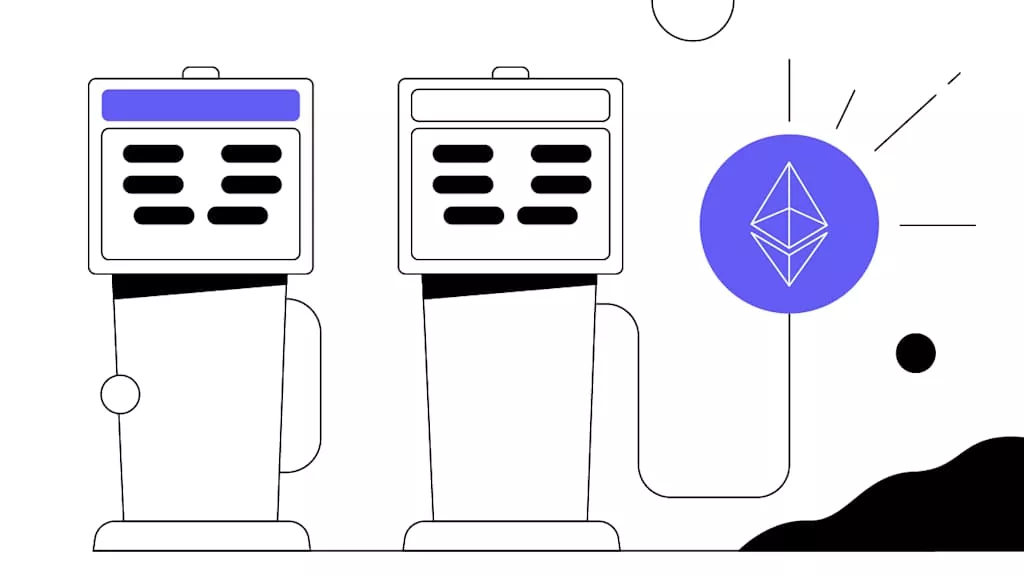
Ethereum boosts its block gas limit to 60M ahead of the Fusaka upgrade, marking a major leap in base-layer scaling.
Ethereum has taken another decisive step toward reshaping its core infrastructure, lifting its block gas limit from forty-five million to sixty million in a move that developers see as a meaningful shift in the network’s long-term scaling trajectory. The change, which activated automatically on November twenty-fifth after gaining support from more than half of the network’s validators, arrives just days before the Fusaka hard fork and marks one of the most significant baseline capacity increases since the chain’s inception.
The adjustment was first pointed out by Ethereum Foundation researcher Toni Wahrstätter, who emphasized that the new limit reflects a year of steady technical progress. In comments shared with the press, he described the doubling of block gas capacity within twelve months as an early signal of what might be possible as Ethereum strengthens its computational foundation. For users and application developers, the expanded block space promises relief from congestion pressures and the potential for lower transaction fees during periods of high network activity.
Several technical advancements enabled the increase. Independent researcher Zhixiong Pan attributed the change to three developments that matured in parallel: the introduction of EIP-7623, which implemented safeguards for block size; ongoing performance optimizations across multiple Ethereum clients, allowing them to reliably process larger blocks; and months of testnet performance data that demonstrated consistent stability under simulated heavy demand. Together, these improvements reinforced the belief among developers that the chain could safely handle higher throughput without jeopardizing validator synchronization or network resiliency.
The higher limit creates room for more computational work per block, potentially encouraging more on-chain activity that might otherwise migrate to layer-two networks. At the same time, validators must now process larger workloads, making operational discipline even more important. Early metrics suggest that the network is stable under the new conditions, but researchers caution that real-world stress will determine whether future increases are feasible.
Vitalik Buterin, however, signaled that the era of broad, uniform increases may be nearing its end. He suggested that future scaling adjustments could be more selective, pairing any additional capacity with higher costs applied specifically to resource-intensive operations. He argued that focusing cost increases on the heaviest opcodes, precompiles, and contract calls could preserve validator efficiency while still allowing blocks to grow. The approach reflects a broader philosophy: Ethereum’s scaling path must protect decentralization and operational accessibility even as the base layer becomes more capable.
All of this activity unfolds against the backdrop of soaring layer-two performance. Scaling networks collectively processed more than thirty-one thousand transactions per second in the past day, with zero-knowledge systems like Lighter leading the surge. These figures highlight the increasingly symbiotic relationship between the base layer and its expanding family of rollups.
The timing of the gas-limit increase aligns closely with the impending Fusaka hard fork, scheduled for early December and already active on test networks. Fusaka introduces PeerDAS, a reimagining of data availability sampling that Buterin has framed as a pillar of Ethereum’s long-term roadmap. It also delivers routine client upgrades, consensus refinements, and security enhancements, supported by a multi-million-dollar audit contest designed to stress-test the upgrade ahead of mainnet deployment.
With throughput rising and major architectural changes on the horizon, Ethereum is entering a new phase in its evolution—one defined by faster performance, deeper infrastructure maturity, and a renewed willingness to experiment at the core of the protocol.