CZ Slams WSJ Over ‘Fixer’ Allegations in World Liberty Financial Story
Changpeng Zhao rebuffs WSJ claims linking him to WLF political dealings, calling the report a biased attack on crypto progress.
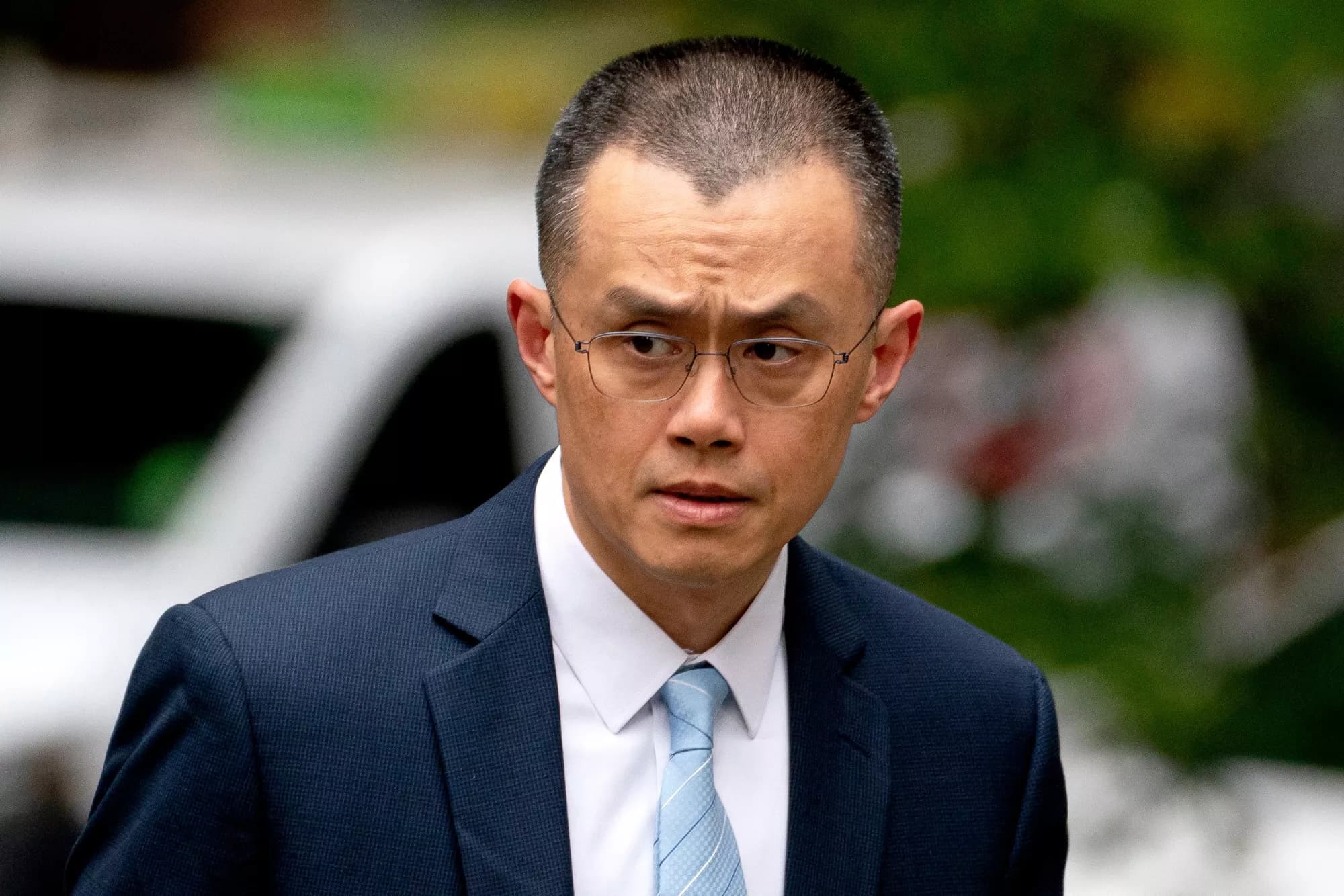
Changpeng Zhao, the former CEO of Binance, has firmly denied allegations published by the Wall Street Journal (WSJ) that he played the role of a "fixer" in World Liberty Financial’s (WLF) international operations. Zhao responded with a sharp rebuke, accusing the outlet of distorting facts and pursuing an anti-crypto agenda.
The dispute erupted following a May 23 article in the WSJ which alleged that Zhao helped WLF secure political access in countries like Pakistan, Malaysia, and Kyrgyzstan. The article referenced claims that Zhao introduced Pakistani official Mr. Saqib to WLF, who was later appointed as an adviser by the organization. Days afterward, WLF reportedly signed a memorandum of understanding with Pakistan's government.
Zhao, commonly referred to as CZ, dismissed the allegations in a post on X, calling the story a “hit piece” and accusing the publication of practicing what he described as “Cunningham’s Law”—spreading misinformation to prompt correction. He explained that his team had flagged multiple inaccuracies in the questions sent by the WSJ prior to publication.
“We told them there were numerous inaccuracies and unfounded inferences,” CZ wrote. “But a story can’t be corrected when built on negative intentions from the start.”
CZ also denied any involvement in connecting Mr. Saqib to the WLF team, insisting that they already knew each other. He emphasized that he met the official for the first time during his visit to Pakistan and had no role in subsequent engagements.
More broadly, Zhao framed the article as part of a coordinated effort to undermine cryptocurrency’s progress in the United States and abroad. “There are forces in the U.S. that want to hinder efforts in making the U.S. the capital of crypto,” he argued. “They want to attack crypto, global crypto leaders, and the pro-crypto administration.”
This is not the first time Zhao has clashed with mainstream media. In March, he criticized a WSJ report that suggested former President Donald Trump’s family considered investing in Binance.US, and that Zhao was seeking a presidential pardon. He later acknowledged applying for clemency, but maintained that the report was politically charged.
In a more recent controversy, Zhao rejected claims that he agreed to provide evidence against Tron founder Justin Sun as part of a plea deal with the U.S. Department of Justice. Both Zhao and Sun dismissed the allegations, with Sun calling CZ a “mentor and close friend.”
The ongoing friction between Zhao and mainstream outlets like the WSJ reflects deeper tensions between the crypto community and legacy institutions, as blockchain leaders continue to face scrutiny amid expanding regulation and political polarization.