Cardano's Charles Hoskinson Announces Strategic Overhaul Ahead of 2026 Upgrade
Charles Hoskinson reveals Cardano's agile shift to accelerate development and deliver the Ouroboros Leios upgrade by 2026.
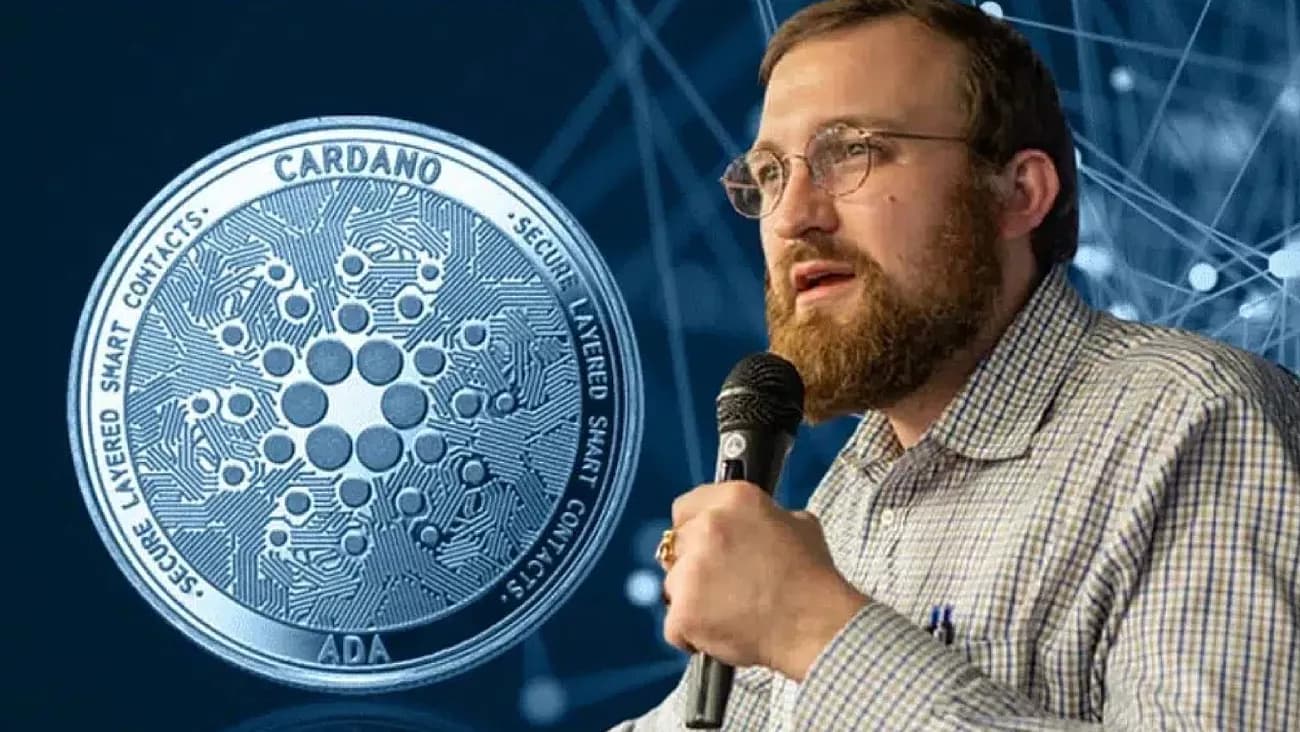
In a decisive shift away from its traditionally academic development model, Cardano founder Charles Hoskinson has unveiled a new strategic direction for the blockchain platform, aimed at accelerating progress and broadening participation across its ecosystem. The move, announced ahead of Cardano's projected 2026 rollout of the Ouroboros Leios upgrade, signals a major evolution in how the platform will approach innovation.
Since its inception, Cardano has distinguished itself through a methodical, research-driven approach to blockchain development. Prioritizing security and formal verification, the project has earned a reputation for technical rigor—but also criticism for slow feature deployment and limited openness to external contributions. Hoskinson now acknowledges that while this conservative strategy was instrumental in establishing a secure foundation, it also hindered growth and discouraged innovation.
“In the beginning, there was one philosophy that was rigorous, safe, and effective,” Hoskinson explained. “But it also deeply alienated many who wanted to contribute, prevented new ideas from entering our ecosystem, and resulted in a very slow delivery of features.”
In response, Cardano is transitioning to a decentralized development model characterized by small, agile engineering teams. These independent groups, including Aiken and Midgard, will operate alongside IOG’s formal methods unit, which continues to use tools like Agda to ensure secure implementations. The aim, according to Hoskinson, is to strike a balance between rapid iteration and academic discipline.
The centerpiece of this strategic pivot is the Ouroboros Leios upgrade, now slated for release in 2026—two years earlier than previously expected. Leios is expected to significantly improve transaction throughput and network efficiency, making it a critical milestone for Cardano’s scalability ambitions.
Hoskinson was candid in addressing the urgency behind the accelerated timeline. “Because I want Leios in 2026, not 2028, and I value Pragma and different ideas and implementations,” he said. “No more fucking games or delays. Cardano needs to get to the next level.”
This blunt declaration underscores a broader shift in tone, reflecting a newfound willingness to prioritize outcomes over process. The revised model will not only increase development speed but also introduce a competitive and collaborative spirit among multiple client teams, fostering a more vibrant ecosystem.
Community response has been largely positive. Many stakeholders have welcomed the initiative as a sign that Cardano is adapting to the demands of a rapidly evolving blockchain landscape. “I think we’re moving much faster than before,” one community member noted, adding enthusiasm for the timing of the upgrade during what many expect to be a bullish phase for the crypto market.
Cardano's new direction highlights a growing recognition across the blockchain industry: that security and innovation must go hand in hand—and that decentralization must extend beyond the network layer to include the very processes that shape its future.