Britain Confronts Its First Major Crypto Fraud Case as Basis Markets Arrests Signal a New Era of Enforcement
UK authorities make landmark arrests in the $28M Basis Markets scandal, signaling a tougher national stance on crypto fraud.
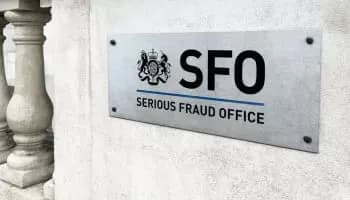
The United Kingdom has entered a new phase in its fight against digital asset crime after the Serious Fraud Office carried out its first major arrests tied to a cryptocurrency investigation. Two men—one detained in London’s Herne Hill district and another apprehended near Bradford—were taken into custody on November 20 as part of a probe into the alleged $28 million collapse of Basis Markets, a scheme built on NFT-linked fundraising that unraveled just months after attracting millions from investors.
The operation marks a decisive moment for UK financial enforcement agencies as they confront increasingly complex forms of blockchain-enabled fraud. Conducted alongside the Metropolitan Police and West Yorkshire Police, the raids focused on suspected money laundering and deceptive fundraising activity. According to the SFO, the case represents its opening push into prosecuting large-scale crypto crime, a shift driven by the growing sophistication of digital asset schemes and the mounting losses suffered by investors.
SFO Director Nick Ephgrave said the agency has been developing specialized capabilities to trace and investigate cryptocurrency transactions, emphasizing that these tools are now essential as the sector becomes a target for professionalized fraud. Solicitor General Ellie Reeves echoed those concerns, warning that crypto-based schemes pose “a serious threat to the UK economy” and vowing government support for aggressive enforcement. Authorities have urged victims and whistleblowers to contact investigators directly, suggesting that the scope of the alleged misconduct may expand as more information emerges.
Basis Markets rose to prominence during the height of the 2021 NFT boom, raising $28 million across two public tokenized fundraisers that promised investors exposure to algorithmic trading strategies and a forthcoming “crypto hedge fund.” Investor enthusiasm ran high, fueled by rapid NFT sales and speculative demand for new digital asset ventures. But by June 2022, the project shut down abruptly, citing anticipated US regulatory changes as the reason for halting operations. The decision left investors unable to recover their contributions, sparking concerns that regulatory uncertainty alone could not account for the disappearance of funds.
Investigators note that NFT-driven fundraising became a widespread tactic during the boom years, and the Basis Markets case appears to follow warning patterns identified by US Treasury research, which found that roughly 65% of NFT fraud cases involve misleading promotional claims. Against the backdrop of the 2022 market downturn, the project’s collapse now stands as an early example of how opaque token-based raises left investors vulnerable.
The timing of the investigation aligns with a broader recalibration of UK enforcement strategy. The Crown Prosecution Service’s Economic Crime Strategy 2025, published earlier this year, identifies crypto and cyber-enabled fraud as priority threats requiring deeper coordination among national agencies. New operational leads for cryptoasset recovery and strengthened partnerships between the CPS, SFO, and police forces reflect a nationwide push for sharper oversight.
Global regulators, too, are cracking down on fundraising models that blur distinctions between digital collectibles and investment products. Observers note that the Basis Markets prosecution could help define how UK courts interpret fraud in tokenized ecosystems—an area of law still taking shape. Investor reaction on social media underscores the significance of the moment, with prominent accounts pointing to the SFO’s actions as evidence that the country is finally prepared to take on complex crypto cases.
As the proceedings move forward, the implications for digital asset fundraising are immediate: regulatory ambiguity will no longer offer shelter to projects accused of misconduct. The outcome of this case may establish how aggressively the UK pursues crypto crime in the years ahead, setting a precedent that could ripple across the sector.