Brazil Redraws the Crypto Rulebook, Positioning Itself as Latin America’s Regulatory Benchmark
Brazil adopts OECD crypto reporting standards, reshaping oversight and setting a new regulatory benchmark for Latin America’s digital asset markets.
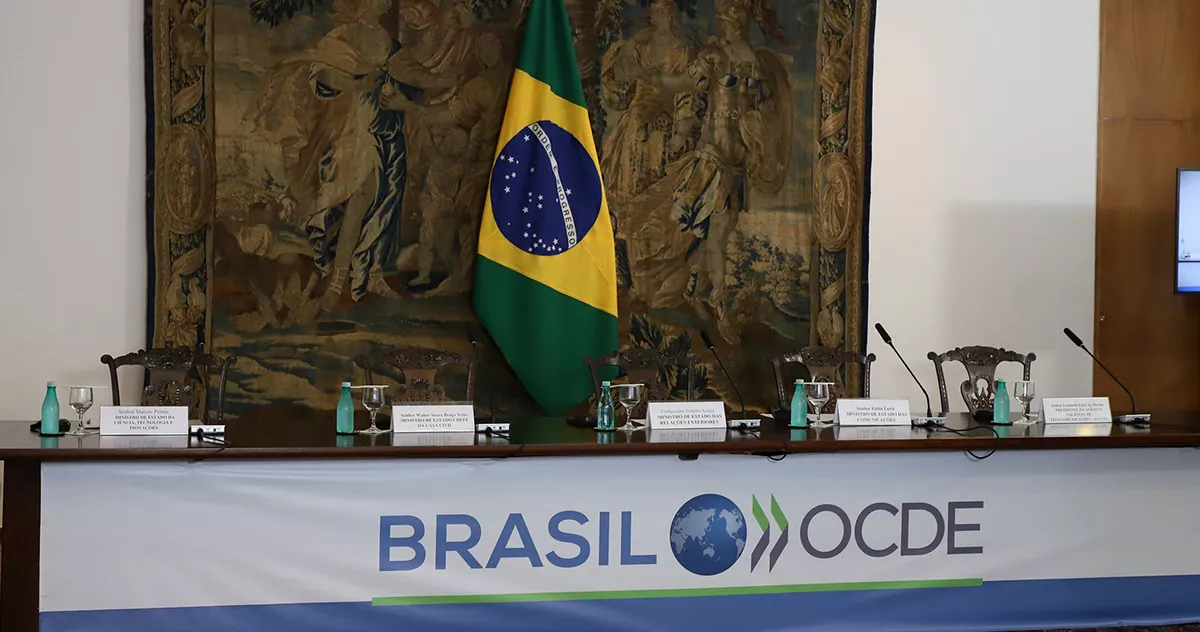
Brazil has moved decisively to modernise its digital-asset oversight by adopting the Organisation for Economic Co-operation and Development’s Crypto-Asset Reporting Framework, replacing its 2019-era model with a far more stringent structure. Through Normative Instruction 2.291/2025, the country’s tax authority has effectively tethered Brazil’s disclosure expectations to a global standard designed to combat tax evasion, reduce illicit flows, and improve the transparency of cross-border digital asset activity.
The shift aligns Brazil with more than 70 jurisdictions already committed to implementing the OECD framework, reinforcing the country’s position as the most active crypto market in Latin America and one of the few willing to apply international reporting standards at full scale. Officials argue that the alignment not only improves domestic monitoring but also strengthens Brazil’s capacity to cooperate with global regulators tracking increasingly complex digital-asset transactions.
At the centre of this transformation is DeCripto, a redesigned reporting system slated to become mandatory in July 2026. Domestic exchanges will maintain their monthly submissions, now under stricter formatting tied directly to the OECD’s requirements. Individuals transacting through foreign or peer-to-peer venues will continue to report their activity, with the trigger threshold now set at R$35,000. But the most consequential overhaul targets offshore platforms. Any foreign exchange serving Brazilian users—whether through partnerships with local payment firms, Pix integrations, Brazilian-targeted advertising, or even domain names tailored to the local market—must now transmit user data directly to the tax authority. Regulators describe this as the closure of a critical blind spot that had previously allowed vast volumes of crypto activity to evade domestic scrutiny.
The new instruction embeds enhanced anti-money-laundering and know-your-customer protocols, requiring service providers to verify identities, document transaction counterparties, and report international transfers in formats that can be shared among participating jurisdictions. Industry observers, including prominent analysts on X, argue that these requirements bring a level of transparency long missing from Brazil’s fast-growing digital asset space.
This shift in tax reporting coincides with broader regulatory tightening. The central bank has recently classified crypto-to-fiat and stablecoin operations as foreign-exchange transactions, subjecting them to governance and capital rules traditionally applied to financial institutions. Together, the policies mark a coordinated attempt to integrate digital assets into Brazil’s financial architecture while reinforcing oversight of money moving in and out of the country.
The implications extend beyond Brazil’s borders. With more than R$1.7 trillion in on-chain activity between mid-2024 and mid-2025, the country already leads the region in crypto adoption. Its plan to launch the DREX central bank digital currency in 2026 adds further weight to its regulatory direction. As neighbouring countries monitor the impact of Brazil’s globally aligned reporting model, it is likely to become a reference point for future Latin American digital-asset policy. While the tax obligations themselves remain unchanged, the government’s visibility into crypto movements—domestic and international—will expand dramatically.