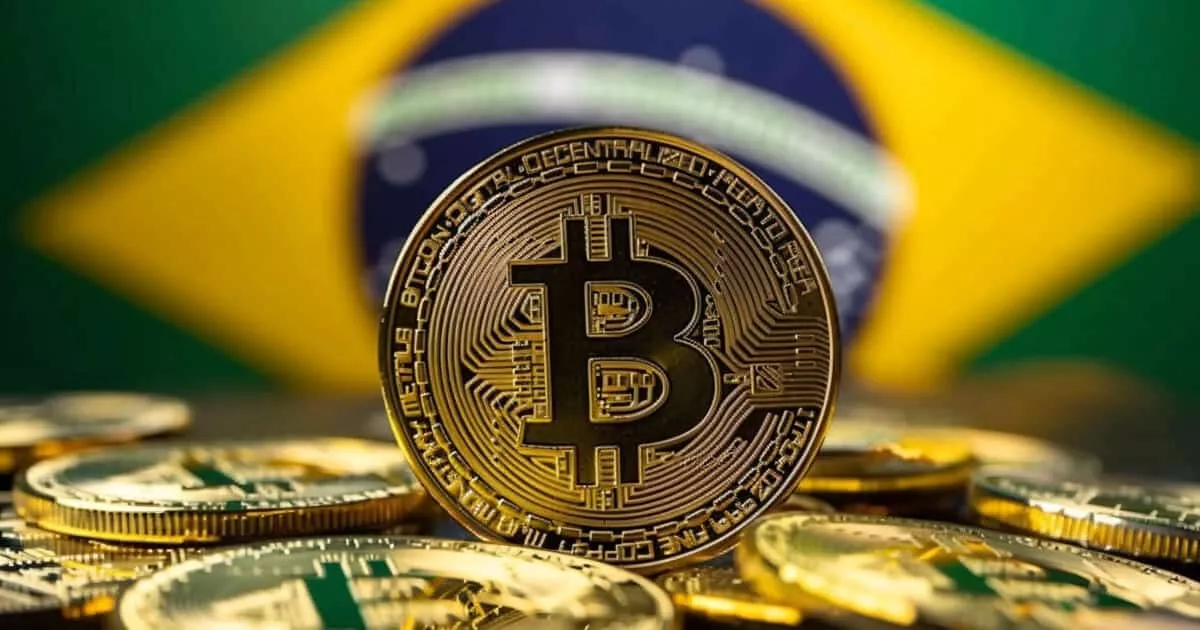
Brazil Eyes $17 Billion Bitcoin Reserve in Bold Push Toward Monetary Innovation
Brazil may invest $17B in Bitcoin reserves, a move that could make it the top sovereign BTC holder worldwide.
Brazil is weighing a landmark decision that could redefine its fiscal policy and position in global finance. A new bill proposes allocating 5% of the country’s $341 billion foreign reserves—roughly $17 billion—into Bitcoin (BTC), signaling a potentially historic embrace of digital assets at the state level.
Scheduled for public hearing on August 20, the proposed legislation would make Brazil the world’s largest sovereign holder of Bitcoin, surpassing El Salvador, which currently leads with over 5,700 BTC in its treasury. The move is part of a broader trend of monetary diversification and digital asset exploration among emerging economies.
The bill, currently under congressional review, has ignited a wide range of reactions from policymakers, economists, and crypto industry stakeholders. Proponents argue that Bitcoin can serve as a hedge against inflation, enhance monetary sovereignty, and reduce dependence on U.S. dollar-dominated reserves. Supporters also see the move as aligning with Brazil’s increasing leadership within BRICS and its push for greater financial autonomy from Western-dominated institutions.
Critics, however, point to Bitcoin’s notorious price volatility and regulatory uncertainty. They warn that such a bold shift could expose Brazil’s reserves to excessive risk and potentially undermine macroeconomic stability. "Bitcoin is not yet mature enough to serve as a reliable store of value for sovereign portfolios," argued one financial analyst close to the Central Bank.
The upcoming hearing will include expert testimony, economic modeling, and public commentary, reflecting Brazil’s cautious yet forward-looking approach. If passed, the bill would mark a monumental shift in how nations perceive and utilize digital currencies in their financial strategies.
The global crypto community is watching closely. With institutional crypto adoption rising, Brazil’s potential move could set a precedent for other nations exploring alternatives to traditional reserve assets. Whether the bill passes or not, it underscores the evolving conversation around digital sovereignty and the role of decentralized currencies in shaping tomorrow’s financial systems.