Bitcoin Slides to $109K Despite Fed Rate Cut, as Markets Look Beyond Monetary Easing
Bitcoin drops to $109K after Fed’s 0.25% rate cut and end of QT, as traders worry about macro headwinds and fading risk appetite.
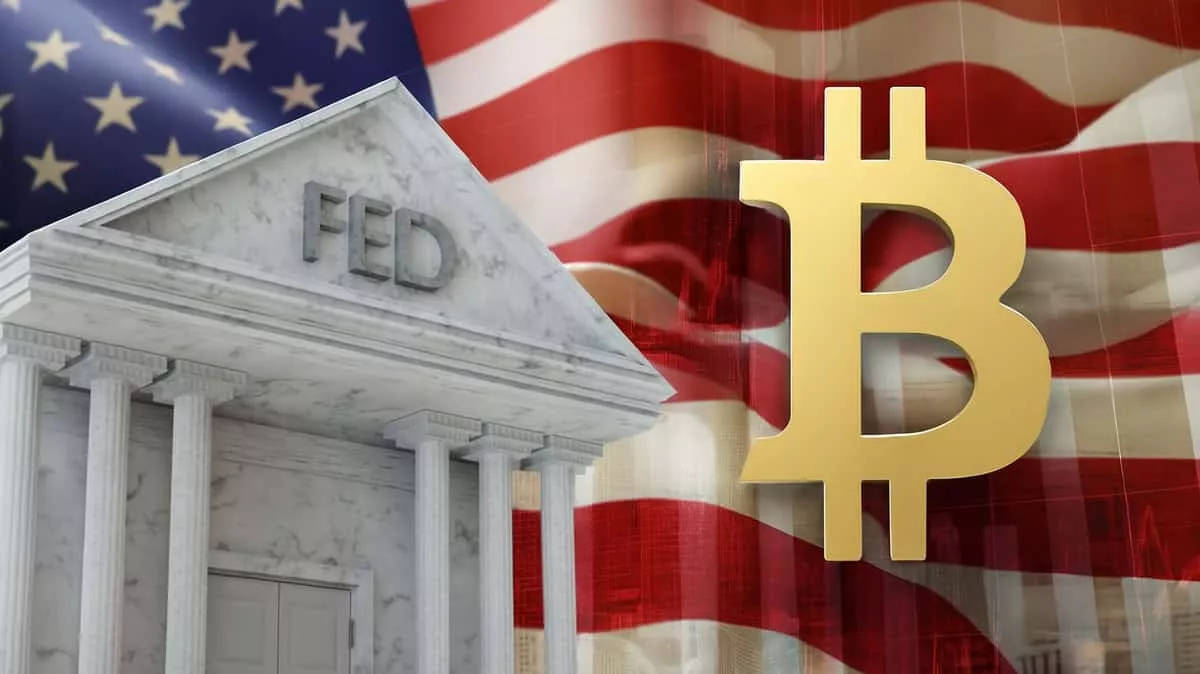
Bitcoin’s recent rally came to an abrupt halt on Wednesday as the leading cryptocurrency fell to $109,200 following the U.S. Federal Reserve’s decision to cut interest rates by 25 basis points and officially end its quantitative tightening (QT) program. The decline puzzled traders who had largely anticipated the policy shift, interpreting it as a bullish signal for risk assets like Bitcoin.
Instead, the market reaction underscored a deeper unease about the broader economic outlook. Despite the rate cut—bringing the federal funds target closer to 3%—Bitcoin tumbled more than 6% from its earlier high of $116,400 earlier in the week. Analysts attributed the sell-off to investor concerns about weakening macroeconomic indicators, including rising unemployment, slowing growth, and uncertainty surrounding the global trade environment.
The Federal Reserve’s updated dot plot projects three additional cuts in 2025, while Goldman Sachs analysts forecast at least two more by mid-2026, potentially lowering the benchmark rate to between 3% and 3.25%. Yet for crypto markets, the promise of continued easing no longer appears to guarantee momentum. Traders are increasingly focused on what comes after the rate cuts—namely, whether the U.S. economy can avoid a recession amid job market weakness and ongoing inflation pressures.
“Recent history has shown that FOMC decisions often lead to short-term Bitcoin dips before recovery,” analysts at Hyblock, a digital asset research firm, noted. “If price does dip post-FOMC and signs of bullish confluence emerge—such as bid-heavy orderbooks—it would likely present good opportunities for investors.”
While the Fed’s decision to end QT on December 1—halting the reduction of its balance sheet—was viewed as a supportive measure for liquidity, markets reacted cautiously. Traders appear to be weighing the long-term consequences of renewed monetary expansion, particularly in the context of elevated government spending and the potential resurgence of inflationary pressures in 2026.
Adding to market anxiety are concerns about broader structural factors shaping global risk appetite. Economists point to President Trump’s ongoing tariff war as a drag on global trade, while questions linger about whether the artificial intelligence boom represents a sustainable growth driver or a speculative bubble. These macroeconomic uncertainties have led investors to reassess risk exposure across equities, bonds, and digital assets alike.
For Bitcoin, which has historically benefited from loose monetary policy and declining real yields, the current reaction suggests the asset is being treated less as an inflation hedge and more as a speculative indicator of market sentiment. Until confidence in global economic stability returns, volatility is likely to remain elevated—even as the Fed pivots toward easing.
In short, while rate cuts typically buoy Bitcoin, the market’s muted response reflects a maturing dynamic: monetary policy may still move prices, but sentiment about the economy’s direction increasingly dictates the trend.