Bitcoin Ordinals: The Debate on Digital Art and Blockchain Utility
Exploring Bitcoin Ordinals: NFTs on the Bitcoin blockchain, their benefits, challenges, evolution, and market sentiment.
Overview
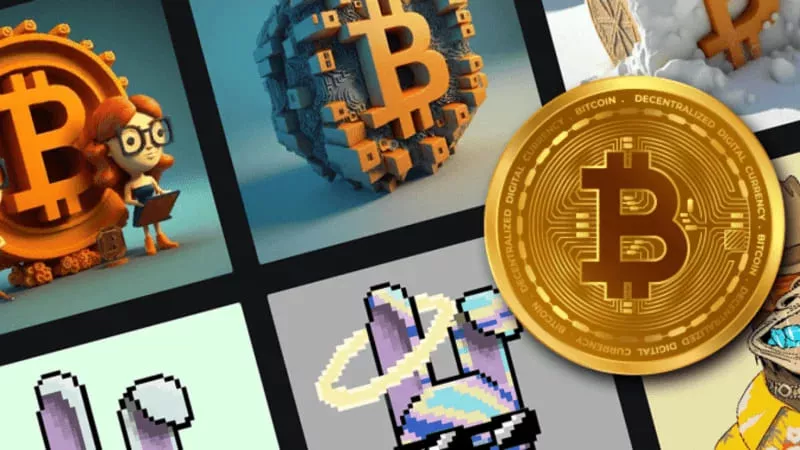
Bitcoin Ordinals represent one of the most intriguing innovations in blockchain’s recent history. Introduced in early 2023 by developer Casey Rodarmor, Ordinals allow individual satoshis—the smallest units of Bitcoin—to be “inscribed” with data such as images, text, or even code. In practice, this means Bitcoin, traditionally viewed as “digital gold” with limited functionality, can now host non-fungible tokens (NFTs) and other forms of digital art. This development has sparked both excitement and controversy within the crypto community, as it challenges Bitcoin’s original design and raises questions about scalability, utility, and cultural value.
Explanation
Ordinals function by assigning a unique identifier to each satoshi and embedding additional data directly into Bitcoin’s blockchain. Unlike Ethereum NFTs, which rely on smart contracts, Ordinals are native to Bitcoin’s base layer. This allows collectors and artists to create immutable digital artifacts preserved on the most secure and decentralized blockchain in existence.
Examples
A notable example is the rapid rise of“Bitcoin Punks”, a collection of Ordinal-based digital art inspired by Ethereum’s CryptoPunks. Similarly, major NFT marketplaces such as Magic Eden began integrating Ordinals, signaling growing interest. Even institutional players are monitoring this trend, as it broadens Bitcoin’s cultural and economic relevance beyond its role as a store of value.
Advantages
The advantages of Ordinals are both cultural and technical. Culturally, they expand Bitcoin’s role from a purely financial asset into a medium for art, creativity, and digital expression. Technically, they benefit from Bitcoin’s unmatched security and permanence, offering collectors confidence that inscriptions will remain immutable. Ordinals diversify Bitcoin’s ecosystem, attracting new developers, artists, and communities.
Difficulties
However, the emergence of Ordinals has not been without criticism. Storing image and media data directly on-chain significantly increases the size of Bitcoin blocks, raising concerns about network congestion and higher transaction fees. Bitcoin purists argue that Ordinals deviate from Bitcoin’s primary purpose as sound money, potentially distracting from its monetary mission. scalability remains a challenge, as increased usage could limit accessibility for everyday users.
Evolution Over Time
Initially met with skepticism, Ordinals quickly gained traction in 2023, with millions of inscriptions created within months. Over time, the ecosystem has evolved, with marketplaces, wallets, and infrastructure supporting Ordinal trading. While still in its experimental stage, the concept highlights Bitcoin’s adaptability, sparking renewed discussions about its broader utility beyond peer-to-peer transactions and value storage.
Market Sentiment
Market sentiment around Ordinals is polarized. Enthusiasts celebrate the cultural renaissance and new economic opportunities on Bitcoin, while critics warn of unnecessary bloat and ideological drift. Nonetheless, the demand for Bitcoin-native NFTs has been strong, particularly among collectors who value Bitcoin’s permanence and prestige. This duality of excitement and resistance underscores the ongoing debate over Bitcoin’s future identity.
Conclusion
Bitcoin Ordinals embody both innovation and controversy. By transforming the most established cryptocurrency into a platform for digital art and NFTs, they push the boundaries of what Bitcoin can represent. While technical challenges and ideological divisions persist, Ordinals illustrate the dynamic nature of blockchain technology. Whether they become a lasting feature or a passing experiment, their existence has already reshaped how we think about Bitcoin’s cultural and technological potential.
By Alejandro Silva Ramírez, Crypto Analyst & Columnist