A New Architecture for Bitcoin: How Layer-2 Networks Are Rewriting the Limits of Scalability
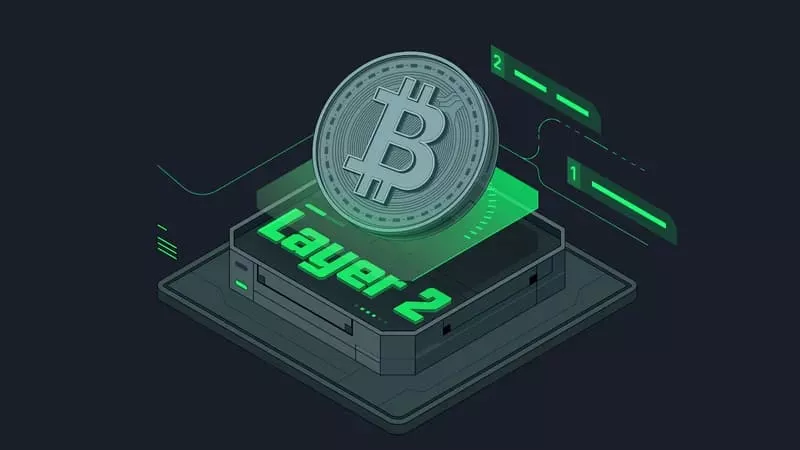
Bitcoin Layer-2 networks drive faster, cheaper transactions while expanding utility without altering the base chain.
Overviewbr>Bitcoin’s Layer-2 ecosystem has emerged as one of the most significant turning points in the evolution of the network. After years of being defined primarily as a secure but deliberately slow settlement system, Bitcoin is now gaining a second layer of high-speed infrastructure capable of handling microtransactions, smart-contract execution, and high-volume activity. These innovations extend Bitcoin’s functionality without altering its base-layer architecture, signaling a shift in how the world’s largest blockchain grows.
Explanationbr>Bitcoin’s Layer-2 networks function by shifting most transaction activity away from the main blockchain while still relying on it for final settlement and security. Instead of recording every payment directly on Layer 1, these systems process transactions off-chain and periodically relay condensed proofs or final states back to Bitcoin.
Lightning Network achieves this by opening payment channels between users, enabling thousands of instant, low-fee transactions that only require the blockchain when channels are opened or closed.
Sidechains, such as Liquid or RSK, operate as independent blockchains pegged to Bitcoin, allowing users to move BTC into environments that support faster transactions or smart-contract functionality.
Emerging rollup designs attempt to batch large volumes of off-chain transactions and verify them on Bitcoin through cryptographic proofs, potentially introducing advanced programmability without burdening the base layer. Across all these models, the core principle remains the same: increase Bitcoin’s transactional capacity and flexibility while preserving the security guarantees of the underlying network.
Advantagesbr>– Transaction speeds that rival instant digital payments.br>– Lower transaction fees compared with on-chain execution.br>– Scalability improvements without altering Bitcoin’s base layer.br>– Viability for micropayments, streaming payments, and everyday commerce.br>– Expanded potential for decentralized applications and programmable assets.
Disadvantagesbr>– Added complexity for onboarding and user management.br>– Different trust assumptions depending on each Layer-2’s architecture.br>– Liquidity constraints in certain payment-channel models.br>– Risk of fragmentation across competing Layer-2 ecosystems.br>– Potential centralization if routing or settlement hubs gain disproportionate influence.
History & Time Evolutionbr>Bitcoin’s scalability journey began with intense debates during the mid-2010s, centered on whether the protocol should increase block size. When consensus favored keeping the base layer conservative—solidified through SegWit and later Taproot—innovation shifted outward. The Lightning Network emerged as the first major Layer-2 experiment, gradually expanding through wallet integrations and merchant adoption. In recent years, more diverse approaches have gained prominence, including rollups that compress activity into batched proofs and sidechains designed for decentralized applications. The ecosystem has moved from a single-solution mindset to a broad innovation frontier.
Market Sentimentbr>Investor and developer enthusiasm has grown as more companies integrate Layer-2 capabilities into payment systems, gaming platforms, fintech products, and cross-border service rails. Bitcoin supporters increasingly view Layer-2 development as essential for extending the asset’s relevance in a competitive landscape where other chains deliver richer application layers. Still, caution persists among purists who worry these new systems introduce security and operational risks that could erode Bitcoin’s simplicity. Market sentiment remains cautiously optimistic, leaning toward the belief that Bitcoin’s next phase depends on these external scaling models.
Conclusionbr>The rise of Bitcoin Layer-2 networks signals a new architectural era in which innovation thrives on top of a stable, slow, and highly secure foundation. If these networks continue to mature, Bitcoin could grow beyond its digital-gold narrative and into a versatile transactional platform supporting global micropayments, decentralized services, and real-time financial infrastructure. The challenge lies in balancing experimentation with the principles that made Bitcoin trusted in the first place.