Wormhole Reinvents Tokenomics With Strategic Reserve for W Token
Wormhole upgrades W tokenomics with a strategic reserve, linking token value directly to protocol revenue and ecosystem growth.
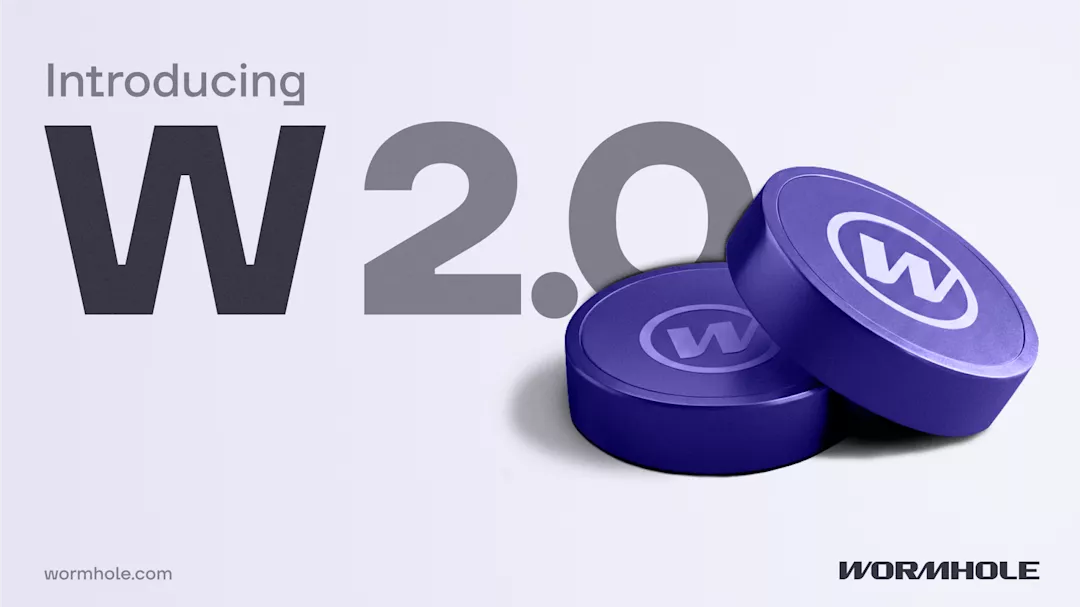
Wormhole, one of the most widely integrated interoperability protocols in blockchain, has launched a major overhaul of its native W token’s economic design. Announced on September 17, the upgrade—dubbed “W 2.0”—introduces a strategic reserve funded by protocol revenue, a base yield for governance stakers, and a smoother token unlock schedule designed to reduce volatility.
At the center of the redesign is the Wormhole Reserve. Unlike traditional token models that distribute revenue or rely solely on emissions, Wormhole will redirect both on-chain and off-chain revenue streams into a dedicated treasury denominated in W. This includes fees collected from its core messaging layer, the Portal bridge, and other applications across its ecosystem.
Rather than distributing profits to tokenholders, the treasury will systematically accumulate W tokens on the open market, making it a permanent buyer. This mechanism directly ties the token’s value to the protocol’s commercial performance, ensuring demand for W grows in step with ecosystem adoption.
The move marks a shift from Wormhole’s early focus on token distribution to a value accrual phase aimed at aligning long-term incentives. Nearly five years after its launch in 2020, Wormhole has grown into a backbone for interoperability, powering applications across more than 40 blockchains. With institutions, corporations, and even governments experimenting with on-chain systems, the protocol is positioning itself to capture value flowing across fragmented networks.
Alongside the reserve, Wormhole is enhancing incentives for governance. Under the 2.0 framework, stakers will receive a 4% base yield for participating in protocol decision-making. While rewards remain emissions-based rather than direct revenue shares, the consistent yield is intended to encourage deeper engagement and strengthen network security.
Another critical component of the upgrade is the overhaul of the token emission schedule. Historically, Wormhole relied on annual unlock cliffs that released large batches of tokens at once, often triggering sharp market reactions. Under the new system, unlocks will occur biweekly and follow a linear distribution lasting four and a half years.
This change applies to key token categories: Guardian Nodes (5.1% of supply), Community and Launch allocations (17%), the Ecosystem and Incubation pool (31%), and Strategic Network Participants (11.6%). By smoothing out token releases, Wormhole hopes to mitigate sudden supply shocks and create a more stable trading environment for W.
Of the 10 billion total supply, roughly 4.7 billion W tokens are currently in circulation. At the time of the announcement, W was trading at around $0.094, up more than 7.8% on the news.
The retooled model underscores a growing trend in DeFi: token designs are evolving beyond initial distribution mechanics to models that seek to capture and recycle protocol value back into the ecosystem. For Wormhole, the strategic reserve could serve as a foundation for sustainable growth, ensuring that as the network expands, so too does the underlying demand for its token.