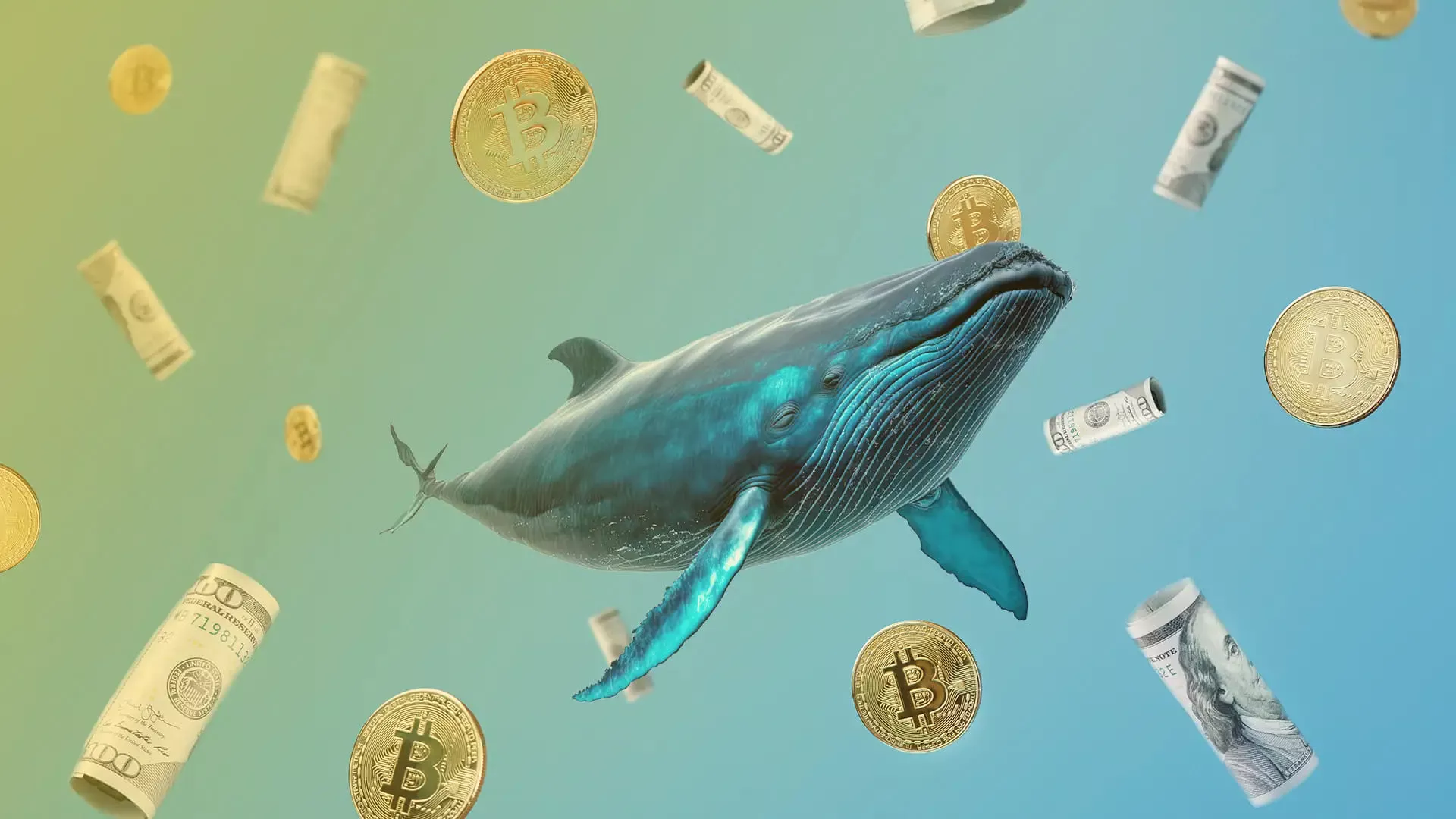
When Whales Hunt: Inside the Silent Wars of Crypto’s Deepest Wallets
Explore how crypto whales and institutional giants quietly shape blockchain markets, steering prices, liquidity and sentiment across Bitcoin & DeFi ecosystems.
Overview
In crypto’s vast ocean, small traders swim in waves they rarely understand—currents stirred by unseen giants. Known as “whales,” these are individuals, funds, and institutions that hold vast reserves of digital assets and can move entire markets with a single trade. Their actions, often silent but seismic, define the rhythm of bull runs and crashes. Beneath the illusion of decentralization lies an intricate game of liquidity manipulation, accumulation, and control.
Explanation
Crypto whales dominate through scale. A handful of wallets—often less than 2% of total holders—control more than 90% of supply in certain tokens. When they buy, prices soar. When they sell, fear spreads across exchanges. But beyond simple buying and selling, their influence extends into liquidity pools, derivatives markets, and even governance mechanisms of blockchain protocols.
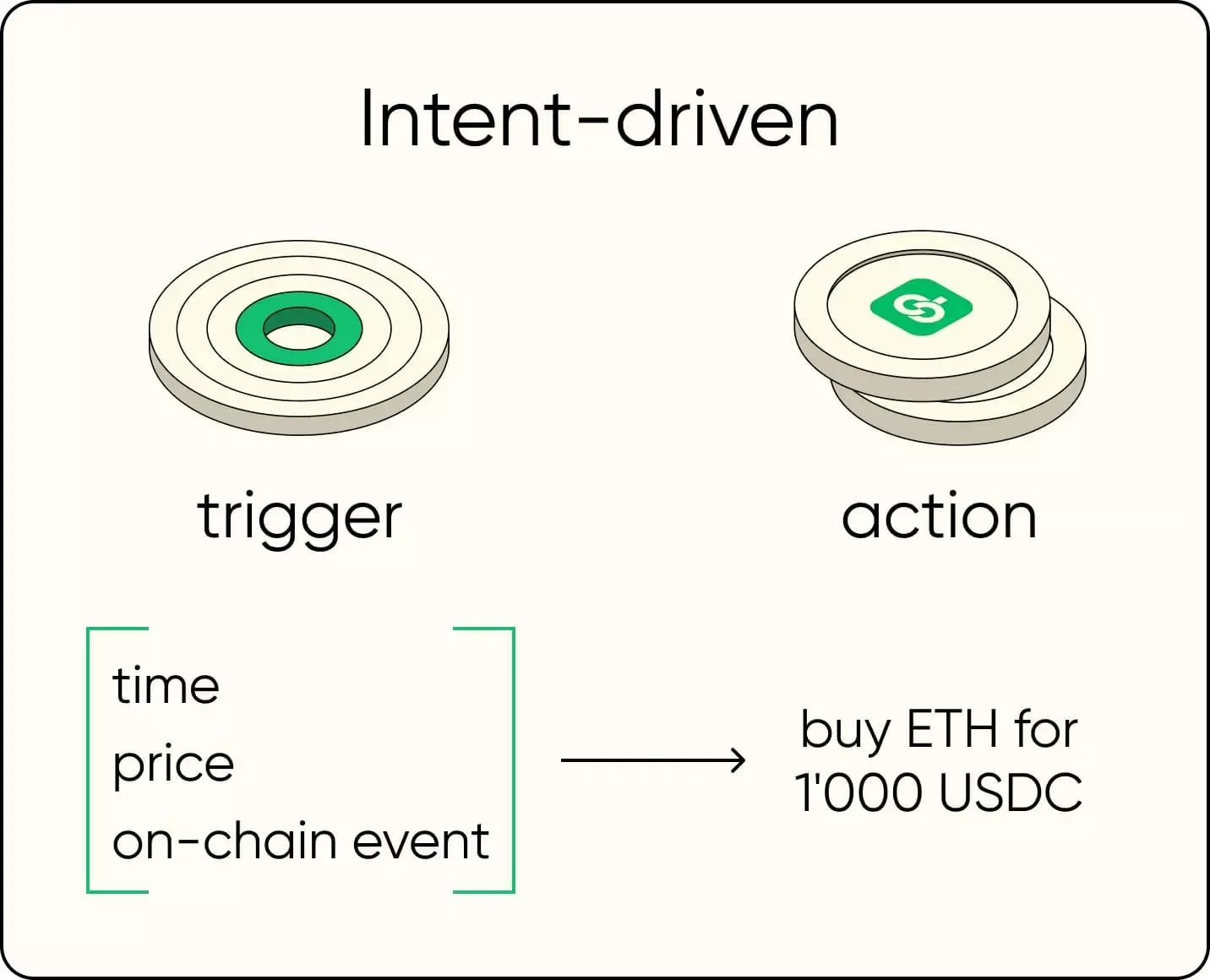
Institutional players, such as hedge funds and publicly traded companies, now operate alongside early adopters and anonymous mega-holders. They use over-the-counter (OTC) desks, algorithmic execution, and smart-contract triggers to move capital without leaving obvious traces. The result: a financial battlefield where visibility is an illusion, and most traders are reacting to moves that were set in motion days or weeks earlier.
Advantages
Despite their controversial role, whales bring several structural benefits to the crypto ecosystem:
Disadvantages
Yet, these same forces can distort and dominate the market:
History
The saga of whale power stretches back to Bitcoin’s earliest days. In 2011, early miners like “Satoshi-era” wallets held millions in BTC, shaping liquidity for years. During the 2017 bull run, whale wallets coordinated mass profit-taking near $20,000, triggering the infamous crash that defined the era.
By 2021, institutional whales such as MicroStrategy, Tesla, and Grayscale shifted perception—Bitcoin became not just a speculative token, but a macro asset. Their strategic accumulation framed the 2020–2022 rally as the moment when traditional capital invaded decentralized waters. In recent cycles, blockchain data firms like Glassnode and IntoTheBlock have tracked these wallet clusters, mapping the “whale zones” that dictate every major move.
Market Sentiment
Today’s sentiment reflects tension between transparency and control. Blockchain analytics give traders the illusion of visibility—every whale transaction can be tracked in real time. Yet, the interpretation of that data remains speculative.
Each time a major Bitcoin wallet transfers funds to an exchange, social media lights up with panic. When accumulation resumes, optimism returns. Ethereum’s large holders have adopted similar tactics, cycling liquidity through staking and DeFi protocols to mask real intent. The market reacts less to fundamentals and more to signals—real or imagined—emanating from the deep.
As of late 2025, whale activity shows renewed accumulation near $95,000–$100,000 for Bitcoin and increased stablecoin inflows into Ethereum DeFi pools, suggesting quiet positioning before the next major move.
Conclusion
Crypto markets may run on code, but they’re ruled by capital—and the deepest wallets wield that power silently. Whales shape sentiment, liquidity, and even ideology, balancing between decentralization and control. Understanding their behavior is not just about tracking blockchain data—it’s about recognizing the psychology of influence that defines this digital ecosystem.
In the end, every surge and collapse traces back to these hidden giants. For the rest of the market, survival depends on learning to read the ripples before the next whale begins to hunt.
- Liquidity creation:Large trades keep markets active and reduce spreads during normal conditions.
- Price discovery:Institutional accumulation or distribution often reveals true long-term valuation zones.
- Market stabilization:Strategic buying during crashes can prevent total collapse, maintaining confidence.
- Innovation funding:Whale investors frequently seed DeFi projects and liquidity pools, fueling development.
- Network security:In proof-of-stake systems, large holders contribute to blockchain stability through staking.
- Price manipulation:Coordinated buying or selling can trigger artificial volatility or liquidations.
- Liquidity traps:Whales often exploit predictable stop-loss clusters to extract profits from retail traders.
- Asymmetric information:Big players access data and analytics unavailable to the average investor.
- Governance concentration:In DAOs and DeFi protocols, whale voting power undermines decentralization.
- Psychological manipulation:Subtle wallet moves, social posts, or exchange transfers can induce mass panic or euphoria.